

The Top Auto Diagnostic Myths Debunked: Get the Facts from the Experts at American Auto Body
Automobile diagnostics have become an essential part of vehicle maintenance, yet there are numerous myths surrounding the process. While technology has made it easier for technicians to identify issues, misconceptions can lead car owners astray. At American Auto Body, we aim to debunk these myths and provide you with the facts. In this comprehensive guide, we will explore common diagnostic myths, offering insights from our experts to help you make informed decisions about your vehicle’s health.
Myth 1: Diagnostic Tests Are Only Necessary When the Check Engine Light Is On
One of the most prevalent myths is that diagnostic tests are only required when the check engine light illuminates. However, this is far from the truth. While the check engine light is an indicator of a potential problem, it is not the only signal that your vehicle may need attention.
Routine diagnostics can uncover hidden issues before they escalate into significant problems. For instance, a failing oxygen sensor might not trigger the check engine light immediately but can cause poor fuel economy and increased emissions. By scheduling regular diagnostic checks, you can ensure that all vehicle systems are functioning optimally, ultimately saving time and money.
Additionally, diagnostics can identify issues related to vehicle reliability that might not be apparent through visual inspections alone. This proactive approach can prevent unexpected breakdowns and extend the lifespan of your car.
Myth 2: Auto Diagnostics Are Expensive and Unnecessary
Another common misconception is that auto diagnostics are costly and unnecessary. In reality, the cost of a diagnostic test is a small investment compared to potential repairs caused by undiagnosed issues. Modern diagnostic tools allow technicians to quickly pinpoint problems, reducing labor time and costs.
Moreover, these tests can prevent extensive damage. For example, identifying and addressing a minor coolant leak early on can prevent engine overheating and costly repairs. At American Auto Body, we believe in transparent pricing and prioritize customer education to ensure you understand the value of diagnostic services.

Investing in regular diagnostics can also enhance clean energy initiatives by ensuring your vehicle operates efficiently. By maintaining your car’s health, you contribute to reducing environmental impact through lower emissions.
Myth 3: DIY Diagnostic Tools Are as Effective as Professional Equipment
With the advent of consumer-grade diagnostic tools, many car owners believe they can perform diagnostics as effectively as professionals. While these tools can provide basic information, they lack the depth and accuracy of professional equipment.
Professional diagnostic tools are continuously updated with the latest software and vehicle data, allowing technicians to diagnose a wide range of issues accurately. Additionally, experienced technicians can interpret data in a way that consumer tools cannot, using their expertise to determine the root cause of a problem.
Furthermore, professional diagnostics include a comprehensive check of all vehicle systems, not just engine-related issues. This holistic approach ensures that all potential problems are identified and addressed, offering peace of mind and ensuring vehicle safety.
Myth 4: All Diagnostic Codes Require Immediate Repair
Many drivers panic when they receive a diagnostic code, fearing that immediate and costly repairs are necessary. However, not all diagnostic codes indicate severe problems. Some codes may signal minor issues or even false alarms caused by temporary conditions.
Understanding the severity of a diagnostic code is crucial. At American Auto Body, our technicians assess each code in the context of your vehicle’s overall health and driving conditions. This approach ensures that you receive accurate advice on whether immediate repairs are needed or if monitoring the situation is sufficient.

For instance, a loose fuel cap can trigger an emission-related code, which is a simple fix that doesn’t require urgent attention. By consulting with professionals, you can avoid unnecessary repairs and focus on what truly matters for your vehicle’s performance.
Myth 5: Once a Problem Is Diagnosed, the Solution Is Simple
Diagnosing a problem is only the first step in vehicle repair. Many people assume that once a diagnostic test identifies an issue, the solution is straightforward. However, the complexity of modern vehicles means that multiple systems can be affected by a single issue.
For example, diagnosing a misfire might involve examining the ignition system, fuel system, and even the engine’s mechanical components. Each potential cause must be investigated to ensure the correct repair is made, highlighting the importance of skilled technicians in the diagnostic process.
The Automotive Service Excellence (ASE) certification ensures that technicians have the knowledge and expertise to handle complex diagnostics and repairs, providing you with confidence in their ability to solve your vehicle’s problems.
Myth 6: You Can Ignore Minor Diagnostic Warnings
It’s tempting to ignore minor diagnostic warnings, especially when your vehicle seems to be running fine. However, these warnings often indicate underlying issues that could lead to more significant problems if left unaddressed.
Minor warnings can be precursors to major failures. For instance, a slight drop in transmission fluid pressure might not affect performance immediately, but it could lead to transmission failure if ignored. Addressing these warnings promptly can prevent costly repairs and ensure your vehicle remains safe and reliable.
Regular diagnostics and timely repairs align with best practices in vehicle maintenance, promoting longevity and performance. By staying proactive, you protect your investment and enjoy a smoother driving experience.

Takeaways
In the world of automobile diagnostics, myths abound, often leading to confusion and misinformed decisions. At American Auto Body, we prioritize customer education, debunking common myths to provide you with the facts. Regular diagnostics are an invaluable part of vehicle maintenance, offering insights that prevent costly repairs and ensure optimal performance.
Understanding the importance of professional diagnostics, rather than relying solely on DIY tools or ignoring minor warnings, empowers you as a car owner. By collaborating with skilled technicians, you can confidently address any issues your vehicle faces, maintaining its reliability and efficiency for years to come.
Remember, informed decisions lead to better outcomes. Trust the experts at American Auto Body to guide you through the complexities of auto diagnostics, ensuring your vehicle remains in top condition and providing peace of mind on the road.
As technology in vehicles evolves, so does the sophistication of diagnostic tools and techniques. Understanding and embracing these advancements can significantly impact your vehicle’s maintenance strategy. Let’s delve deeper into how these innovations are reshaping the world of auto diagnostics.
The Role of Advanced Technology in Auto Diagnostics
The automobile industry is experiencing rapid technological advancements, influencing how diagnostics are conducted. Modern vehicles are equipped with numerous sensors and computer systems that continuously monitor performance and detect deviations. This technology allows for real-time diagnostics, providing immediate feedback on the car’s health.
For instance, the integration of automated driving systems means that diagnostic tools must be capable of analyzing complex data streams from various sources. This requires sophisticated equipment and software updates that only professional diagnostic centers can provide. By staying updated with these advancements, American Auto Body ensures that your vehicle receives the most accurate and comprehensive diagnostics possible.
Furthermore, the use of cloud-based diagnostic systems allows for remote monitoring and diagnostics. This innovation means potential issues can be identified and addressed even before the vehicle arrives at the service center, saving time and enhancing efficiency.
Understanding the Importance of Data Interpretation
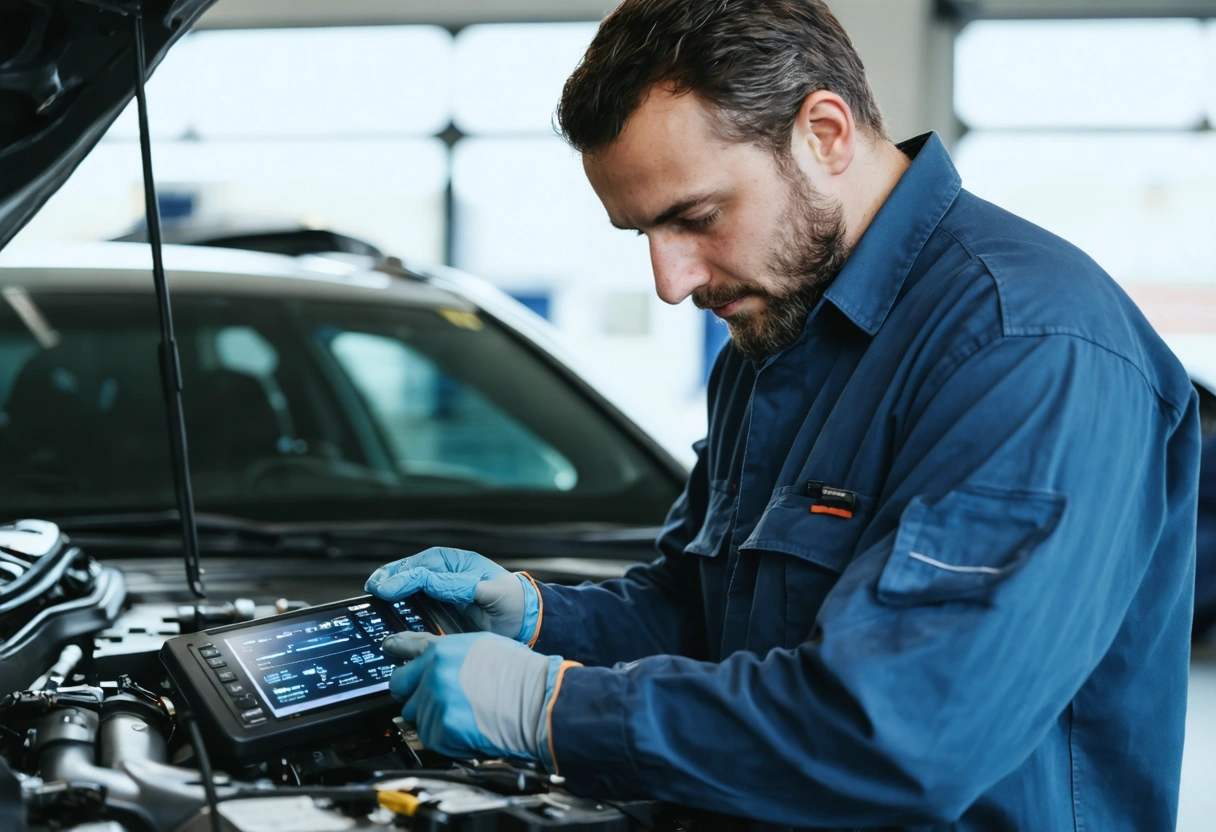
While advanced diagnostic tools can collect vast amounts of data, the real challenge lies in data interpretation. Skilled technicians must decipher this data to pinpoint issues accurately and recommend appropriate solutions. This process involves understanding the interplay between various vehicle systems and using experience to draw accurate conclusions.
For example, a single error code might have multiple potential causes. A thorough understanding of the vehicle’s architecture and the specific conditions under which the error occurred is essential for effective troubleshooting. This is where the expertise of certified technicians becomes invaluable, as they can differentiate between a genuine issue and a false alarm, providing you with reliable advice.
The ability to interpret diagnostic data accurately also plays a critical role in vehicle electronics maintenance. As vehicles become more reliant on electronic systems, understanding how these components interact is vital for maintaining optimal performance and safety.
Preventive Maintenance: The Key to Longevity
Preventive maintenance is a proactive approach to vehicle care that emphasizes regular diagnostics and timely interventions. By adopting this strategy, you can prevent minor issues from escalating into major repairs, ensuring your vehicle remains in peak condition.
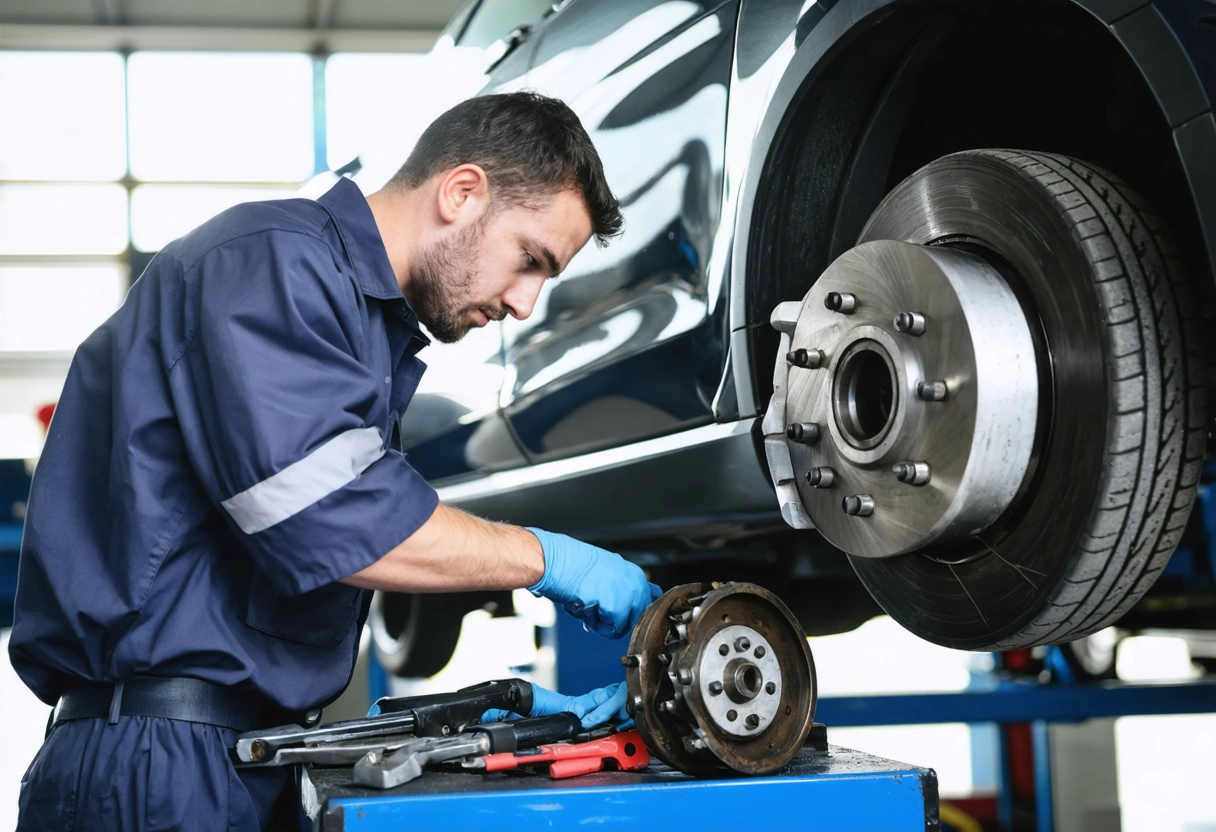
Regular diagnostics play a central role in preventive maintenance, offering insights into potential problems before they become serious. For instance, detecting wear in brake components or identifying a declining battery performance can prevent unexpected failures and enhance safety on the road.
Moreover, preventive maintenance aligns with eco-friendly practices by optimizing engine performance and reducing emissions. This approach not only benefits the environment but also improves fuel efficiency, saving you money in the long run. By prioritizing regular diagnostics, you’re investing in the longevity and reliability of your vehicle.
The Future of Auto Diagnostics
The future of auto diagnostics is promising, with innovations like artificial intelligence (AI) and machine learning poised to revolutionize the field. These technologies can analyze vast datasets to predict potential issues, offering predictive diagnostics that further enhance vehicle maintenance strategies.
AI-driven diagnostics can identify patterns and anomalies that might be missed by human technicians, providing an additional layer of precision. As these technologies become more widespread, they will complement traditional diagnostics, offering even more comprehensive insights into vehicle health.
At American Auto Body, we are committed to staying at the forefront of these advancements, ensuring that our diagnostic services remain cutting-edge and reliable. By embracing the future of auto diagnostics, we can continue to provide exceptional service and support for your vehicle’s needs.
Final Thoughts
Auto diagnostics are an essential aspect of modern vehicle maintenance, offering invaluable insights that can prevent costly repairs and ensure optimal performance. By debunking common myths and embracing technological advancements, you can make informed decisions about your vehicle’s care.
Trust the experts at American Auto Body to provide accurate diagnostics and expert guidance, ensuring your vehicle remains safe, reliable, and efficient. With a proactive approach to maintenance, you can enjoy peace of mind on the road, knowing your vehicle is in capable hands.
Stay informed, stay proactive, and let us help you navigate the complexities of auto diagnostics with confidence and expertise.
Need help with The Top Auto Diagnostic Myths Debunked: Get the Facts from the Experts at American Auto Body?