The Art and Science of Automotive Paint Refinishing: What Makes a Quality Job
Automotive paint refinishing is both an art and a science, requiring a delicate balance of skills and knowledge to achieve a flawless finish. Whether it’s restoring an old classic or giving a modern car a fresh look, the process of paint refinishing is intricate, detailed, and crucial for both aesthetic appeal and vehicle longevity.
Car enthusiasts and professionals alike understand that a quality paint job goes beyond aesthetics. It involves understanding the materials, techniques, and environmental conditions that affect the final outcome. This comprehensive guide will explore the essential components of automotive paint refinishing, providing insights into what makes a quality job.
The Importance of Proper Preparation
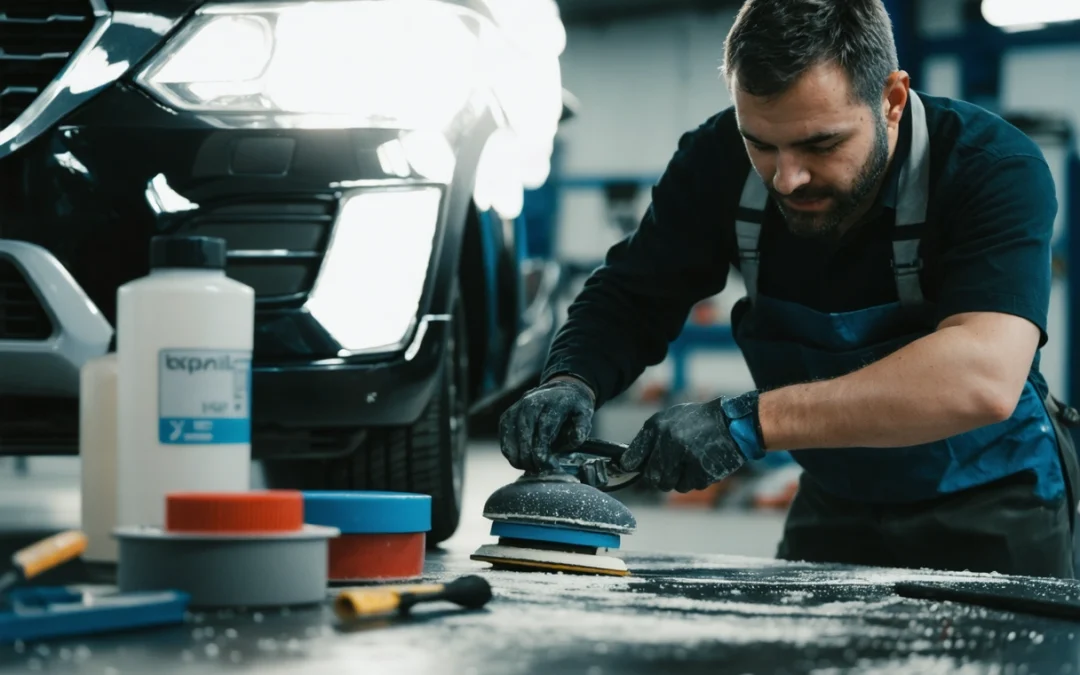
The first step in any automotive paint refinishing project is proper preparation. This phase is critical to ensure that the paint adheres correctly and lasts longer. Preparing the surface involves cleaning, sanding, and priming the vehicle’s body. Each of these steps must be executed with precision to avoid defects in the final finish.
Cleaning the vehicle is the initial stage where all dirt, grease, and old paint residues are removed. This ensures that the new paint layer will bond well with the surface. Sanding follows, where the surface is smoothed out to eliminate any imperfections. Using the right grade of sandpaper is vital to avoid scratches that could be visible after painting. Finally, priming the surface provides a base layer that improves paint adhesion and enhances its durability.
The Choice of Paint and Materials
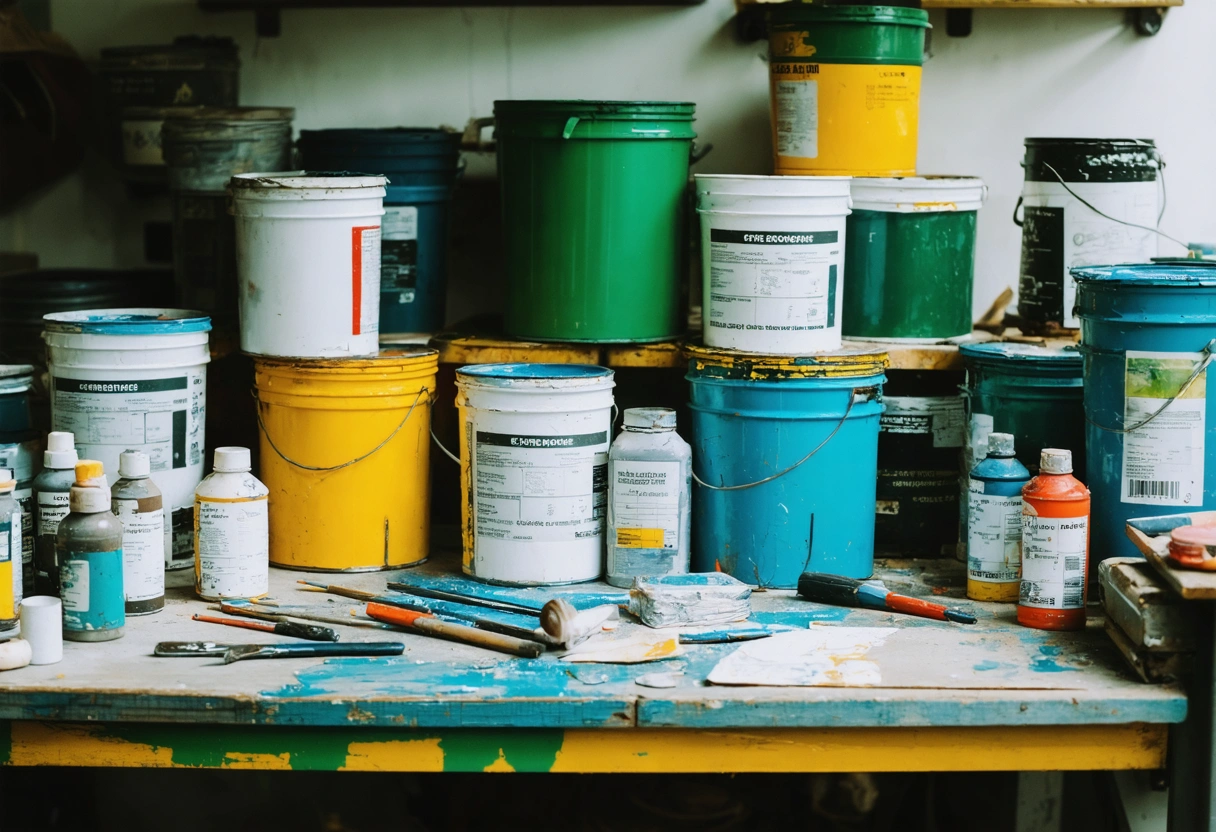
Choosing the right paint and materials is crucial for achieving a high-quality finish. Automotive paints come in various types, including urethane, acrylic, and enamel. Each type has its characteristics, advantages, and limitations. Urethane paints are known for their durability and glossy finish, while acrylic paints offer ease of application and quick drying times. Enamel paints, on the other hand, are known for their hard finish and resistance to wear.
Beyond the type of paint, the color choice is essential. Matching the vehicle’s original color or selecting a new one requires an understanding of color theory and blending techniques. For those interested in a deeper understanding of automotive paint systems, there are comprehensive resources available that delve into the intricacies of paint chemistry and application methods.
Application Techniques: Spraying Perfection
Applying paint to a vehicle requires precision and expertise. The technique used can significantly impact the final result, making it imperative to choose the right method and tools. Spray guns are the most common tools used in automotive paint refinishing. The choice of nozzle size and air pressure settings can affect the paint’s distribution and finish quality.
Several techniques, such as cross-coating and wet-on-wet application, are employed to ensure even coverage and a smooth finish. Cross-coating involves applying paint in a crisscross pattern, which helps in achieving uniform thickness. Wet-on-wet application allows for subsequent layers to be applied before the previous one dries, reducing the risk of imperfections. Understanding these techniques is key to mastering the art of paint application.
Environmental Factors and Conditions
Environmental conditions play a vital role in the paint refinishing process. Temperature, humidity, and airflow can all influence the outcome of a paint job. Ideally, painting should be done in a controlled environment, such as a spray booth, where these factors can be regulated.
Temperature affects the drying time and flow of the paint, while humidity can lead to issues like solvent popping and blushing. Proper ventilation ensures that overspray is minimized and that the air remains free of contaminants. For more insights into creating the ideal environment for automotive painting, you can explore detailed articles on environmental conditions in automotive refinishing.
Quality Control and Finishing Touches
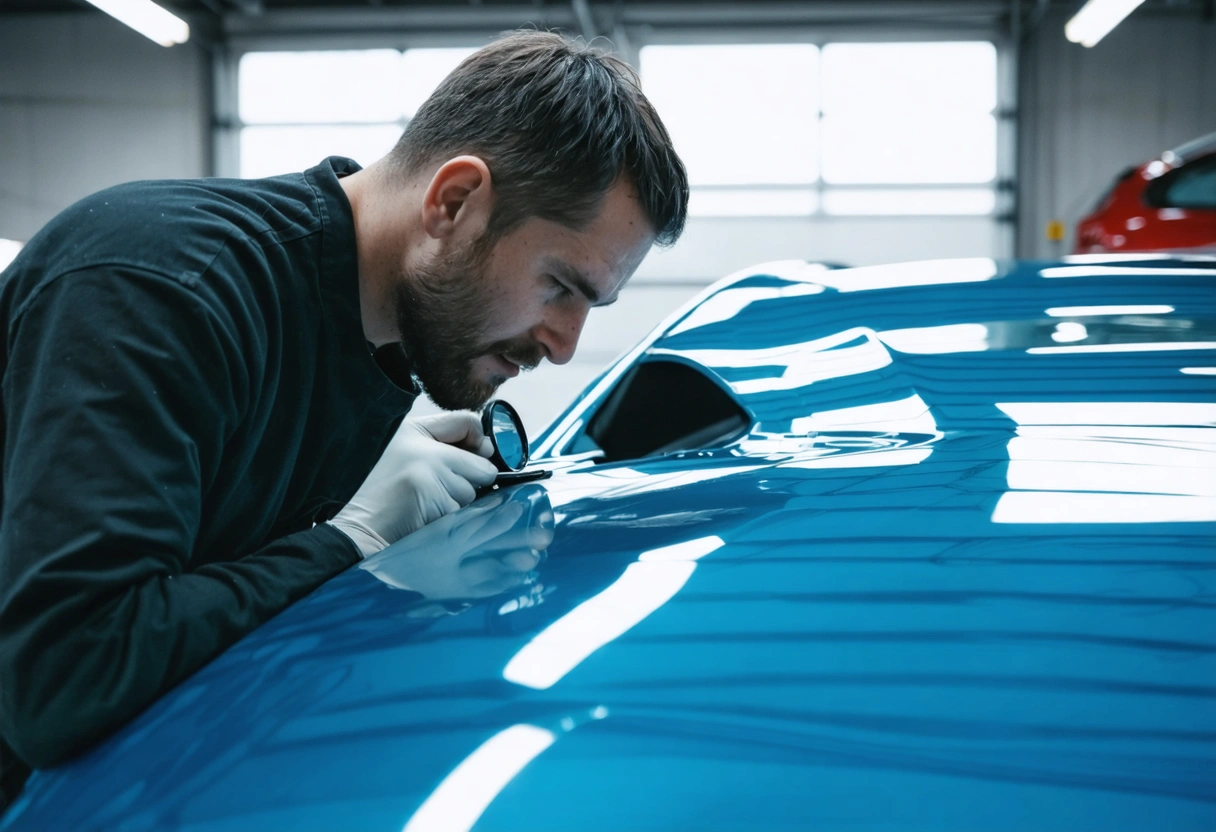
Once the paint has been applied, quality control is essential to ensure a flawless finish. This involves inspecting the paintwork for imperfections such as runs, sags, or orange peel texture. Corrective measures such as color sanding and polishing may be required to achieve a mirror-like finish.
Color sanding involves using fine-grit sandpaper to smooth out any irregularities, followed by polishing to restore the paint’s shine. This step requires patience and skill, as improper sanding can damage the paint. Furthermore, applying a clear coat can enhance the gloss and protect the paint from environmental damage. Resources like color sanding guides offer extensive information on achieving professional-grade results.
Ongoing Maintenance for Longevity
Even a high-quality paint job requires ongoing maintenance to preserve its appearance and durability. Regular washing, waxing, and protecting the paint from UV exposure are essential practices. Using the right cleaning products and techniques can prevent scratches and fading.
Waxing the vehicle periodically helps maintain its shine and provides a protective barrier against environmental contaminants. Additionally, parking in shaded areas or using car covers can prevent UV damage. For those seeking further guidance, detailing guides provide practical tips for maintaining a vehicle’s paintwork.
The Mastery of Automotive Paint Refinishing
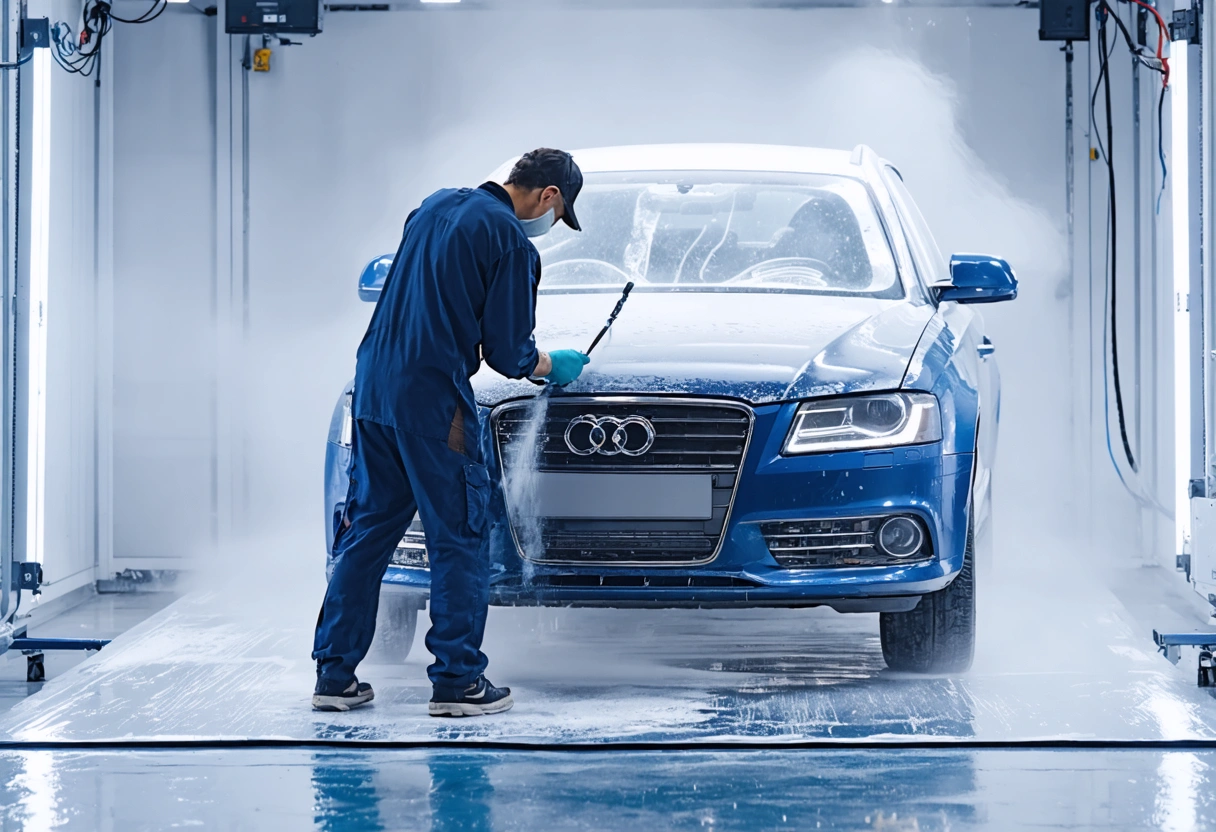
The art and science of automotive paint refinishing are complex and multifaceted. Achieving a quality paint job requires a deep understanding of preparation, materials, application techniques, and environmental conditions. By mastering these elements, professionals can deliver finishes that not only enhance a vehicle’s appearance but also contribute to its longevity.
Whether you’re a professional painter or a car enthusiast, appreciating the intricacies of automotive paint refinishing can lead to more informed decisions and better results. By following best practices and staying informed about the latest advancements in the field, you can ensure that every paint job is a testament to skill and precision.
Innovations in Automotive Paint Technology
The automotive paint industry has witnessed significant advancements over the years, driven by the demand for high-performance and environmentally friendly solutions. Innovations in paint technology have led to the development of new products that enhance the quality and efficiency of automotive refinishing. One such innovation is waterborne paint, which is gaining popularity due to its reduced environmental impact compared to traditional solvent-based paints.
Waterborne paints use water as the primary solvent, significantly reducing volatile organic compounds (VOCs) released during application. This not only makes them more environmentally friendly but also safer for technicians working in the paint booth. In addition to their eco-friendly properties, waterborne paints offer excellent color matching and a smooth finish, making them a preferred choice for many professionals. For those interested in exploring the benefits and applications of waterborne paints, comprehensive resources on waterborne coatings technology provide valuable insights.
Understanding Paint Defects and Remedies
Despite meticulous preparation and application, paint defects can still occur. Understanding common paint defects and their remedies is crucial for achieving a flawless finish. Some typical defects include orange peel, blushing, fisheyes, and runs. Each defect has specific causes and requires targeted solutions to address them effectively.
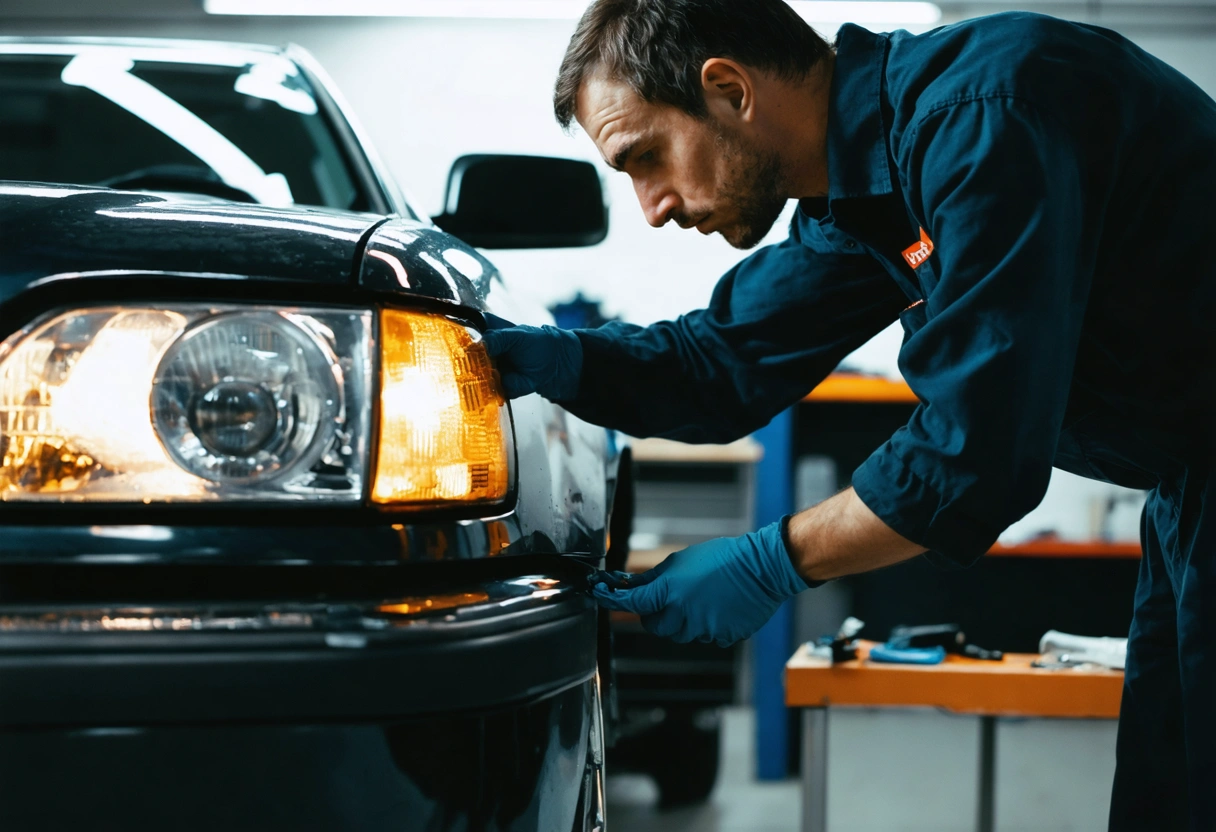
Orange peel, characterized by a bumpy texture resembling the surface of an orange, is often caused by improper spray gun settings or insufficient surface preparation. This can be remedied by adjusting the spray gun settings and ensuring even application. Blushing occurs when moisture becomes trapped in the paint film, leading to a cloudy appearance. It can be prevented by controlling humidity levels in the spraying environment. Fisheyes, small craters on the paint surface, are usually caused by contamination from oils or silicones. Thorough cleaning and degreasing of the surface can prevent this defect.
For a deeper dive into paint defects and their solutions, resources on identifying and avoiding paint defects offer extensive information on troubleshooting and prevention techniques.
The Role of Technology in Paint Matching
One of the most challenging aspects of automotive paint refinishing is achieving an exact color match. With thousands of colors and variations, even a slight mismatch can be noticeable. Technological advancements have revolutionized the paint matching process, making it more accurate and efficient.
Color matching technology, such as spectrophotometers and computerized paint mixing systems, allows technicians to achieve precise color matches. Spectrophotometers analyze the vehicle’s existing paint and provide detailed information on the color composition. This data is then used to create a custom paint formula that matches the original color. Computerized paint mixing systems automate the mixing process, ensuring consistency and accuracy. For those interested in the technical aspects of color matching, detailed articles on paint matching technology offer valuable insights into the latest advancements.
Training and Skill Development
The art of automotive paint refinishing requires continuous learning and skill development. As technology evolves and new products are introduced, staying updated with the latest techniques and tools is essential for professionals in the industry. Many vocational schools and training programs offer courses in automotive refinishing, covering both theoretical knowledge and practical skills.
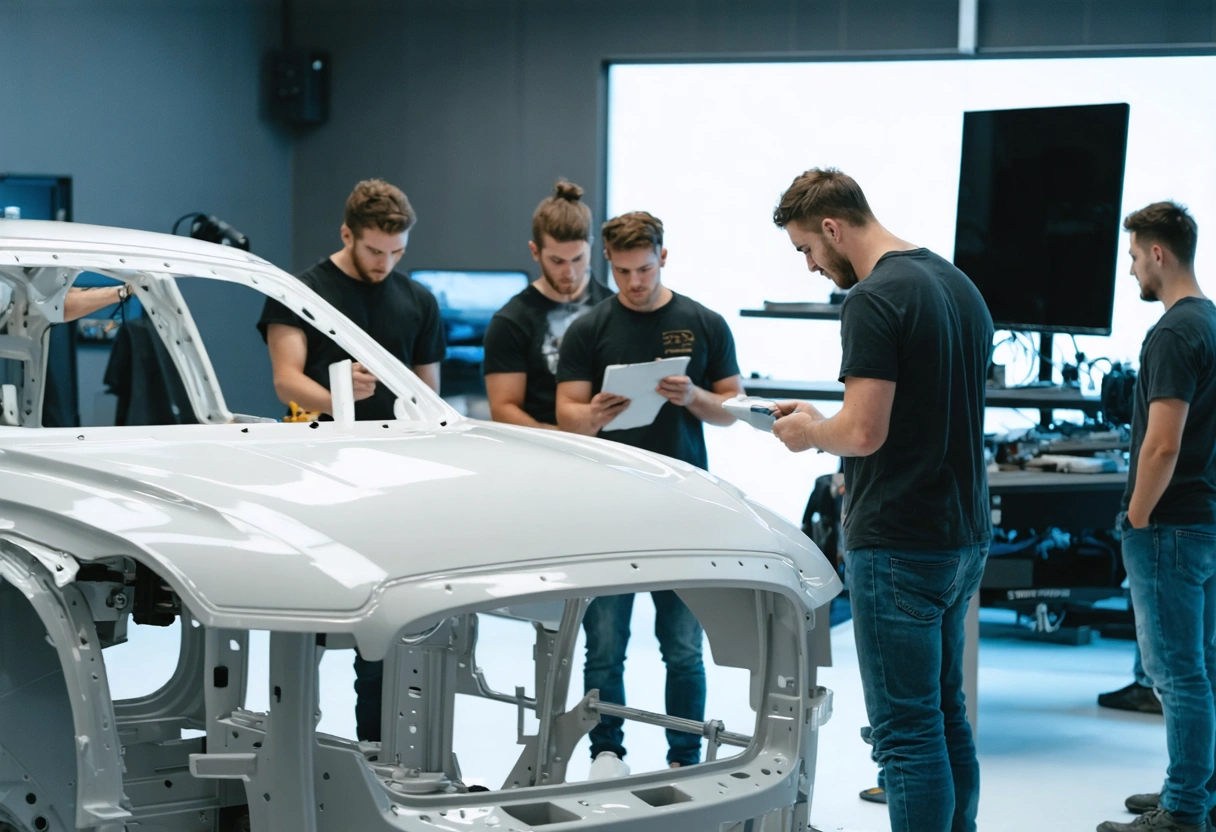
Workshops and seminars conducted by industry experts provide hands-on experience with the latest products and techniques. These training opportunities are invaluable for honing skills and gaining a deeper understanding of the refinishing process. Online resources and video tutorials also offer accessible learning options for those looking to enhance their skills independently. For more information on training programs and resources, exploring dedicated educational resources can be beneficial.
Environmental and Safety Considerations
In addition to achieving a high-quality finish, automotive paint refinishing must also prioritize environmental and safety considerations. The use of eco-friendly products and practices not only reduces the industry’s environmental footprint but also ensures the health and safety of workers.
Implementing proper ventilation systems, using personal protective equipment (PPE), and adhering to safety regulations are essential practices for minimizing exposure to hazardous chemicals. Many paint manufacturers are also investing in research and development to create formulations that are less harmful to the environment and human health. By staying informed about the latest safety guidelines and product innovations, professionals can contribute to a safer and more sustainable industry.
A Mastery of Craft and Science
Automotive paint refinishing is a dynamic and rewarding field that combines artistry, science, and technology. A quality paint job is the result of meticulous preparation, skilled application, and an understanding of the materials and techniques involved. By embracing innovations, continuously honing skills, and prioritizing safety and environmental considerations, professionals can achieve results that are both visually stunning and durable.
As the industry continues to evolve, staying informed and adaptable is key to success. Whether you’re a seasoned professional or an aspiring technician, the journey of mastering automotive paint refinishing is one of continuous learning and improvement. By appreciating the intricacies of the craft, you can ensure that every paint job not only meets but exceeds expectations.
Need help with The Art and Science of Automotive Paint Refinishing: What Makes a Quality Job?