

Understanding Common Auto Body Problems and Advanced Vehicle Diagnostics
In the ever-evolving world of automotive technology, advanced vehicle diagnostics have become an invaluable tool for identifying and resolving a myriad of auto body problems. As cars become more complex with integrated electronic systems, the role of diagnostics in maintaining vehicle health has expanded significantly. This blog post delves into the common auto body issues that can be diagnosed with advanced vehicle diagnostics, offering insight into the technologies that keep our vehicles running smoothly.
Whether you’re a car enthusiast, a professional mechanic, or a vehicle owner seeking to understand more about your car, this comprehensive guide will shed light on the intricacies of auto diagnostics. From minor dings to serious structural damage, we’ll explore how advanced diagnostics help pinpoint problems with accuracy and efficiency.
The Role of Advanced Vehicle Diagnostics
Advanced vehicle diagnostics have revolutionized the way mechanics and technicians approach car repairs. These systems utilize sophisticated software and hardware to communicate with a vehicle’s onboard computer, enabling a detailed analysis of the car’s various systems. Through this technology, technicians can identify issues that may not be visible to the naked eye.
One of the primary advantages of advanced diagnostics is their ability to detect issues early. For instance, a diagnostic check can reveal problems with the engine, transmission, or braking system before they become severe. This proactive approach not only saves time but also reduces repair costs in the long run. By addressing problems early, car owners can prevent further damage and maintain their vehicle’s performance.
How Diagnostics Have Evolved
The evolution of diagnostic tools has been remarkable. In the past, diagnosing vehicle problems relied heavily on the mechanic’s intuition and experience. However, with the advent of modern car technology, diagnostics have become more precise and reliable. Today’s tools can read error codes from the car’s computer system, providing a clear picture of what needs to be addressed.
The integration of artificial intelligence and machine learning into diagnostic tools has further enhanced their capabilities. These cutting-edge technologies allow for real-time monitoring and predictive maintenance, ensuring that potential issues are addressed before they impact the vehicle’s performance. As cars become more advanced, the role of diagnostics in auto repair will continue to grow, making these tools indispensable for anyone working in the automotive industry.
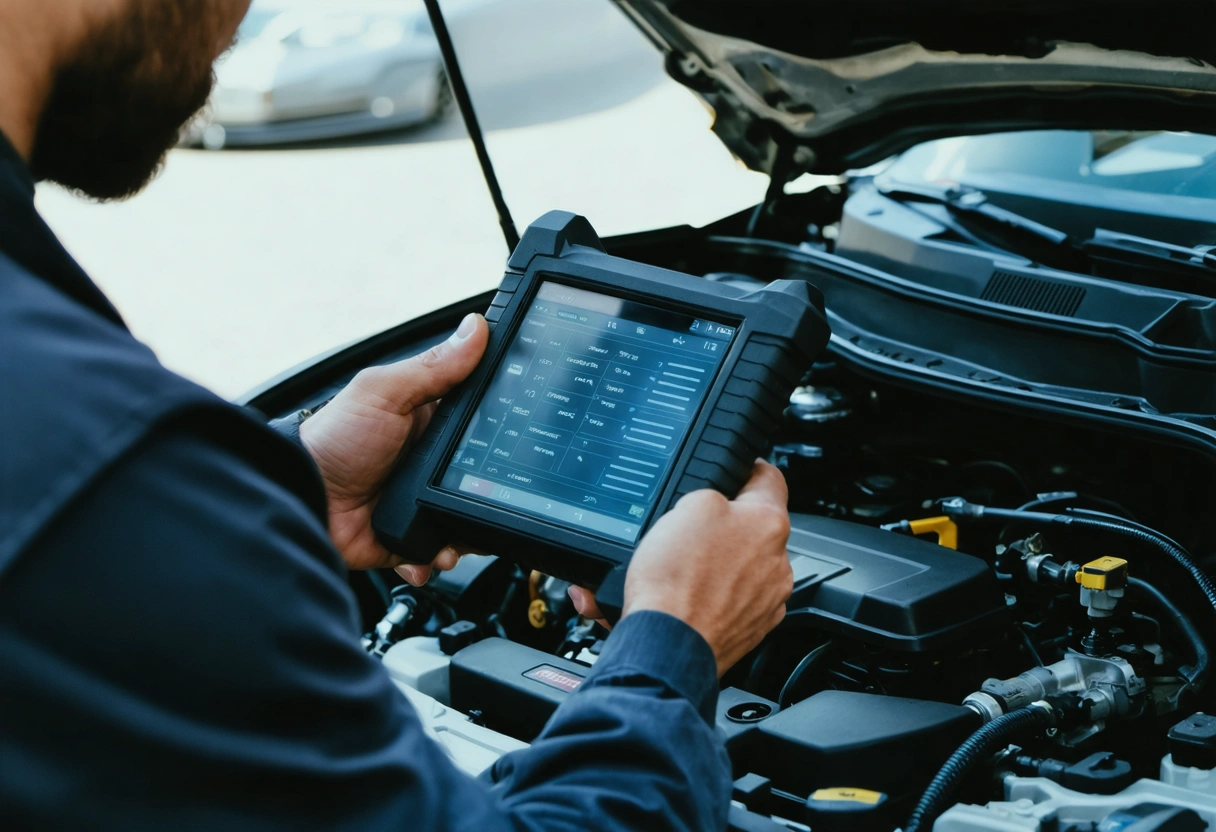
Common Auto Body Problems Identified by Diagnostics
While diagnostics are often associated with engine and mechanical issues, they are equally effective in identifying auto body problems. Here are some of the common issues that can be diagnosed through advanced vehicle diagnostics:
1. Structural Damage
Structural damage can compromise the safety and integrity of a vehicle. Advanced diagnostics can assess the chassis and frame for signs of damage that might occur due to accidents or collisions. Using sensors and imaging technology, these systems can detect misalignments, cracks, or deformations that could affect the vehicle’s performance.
Early detection of structural damage is crucial, as it can prevent further complications and ensure the vehicle is safe to drive. For instance, if a car’s frame is not properly aligned, it can cause uneven tire wear and affect the vehicle’s handling. By identifying and addressing these issues promptly, diagnostics help maintain the vehicle’s safety and longevity.
2. Paint and Finish Issues
Paint and finish problems, such as fading, chipping, or peeling, can detract from a vehicle’s appearance. While these issues might seem cosmetic, they can also indicate underlying problems. Advanced diagnostics can analyze the paint’s condition and identify problems with the application process or environmental exposure.
For example, exposure to harsh weather conditions can cause paint to deteriorate over time. By using diagnostics to assess the paint’s condition, technicians can recommend appropriate treatments or repairs to restore the vehicle’s appearance. This not only enhances the car’s aesthetic appeal but also protects it from further damage.

3. Electrical System Failures
Modern vehicles are equipped with complex electrical systems that control everything from lighting to power windows. Diagnostics play a crucial role in identifying electrical system failures, which can manifest as flickering lights, malfunctioning sensors, or faulty wiring.
These systems can pinpoint the source of electrical issues by analyzing the car’s wiring and circuits. For example, if a vehicle’s battery is not charging properly, diagnostics can identify whether the issue lies with the alternator, wiring, or battery itself. By accurately diagnosing the problem, technicians can implement targeted repairs, ensuring the vehicle’s electrical systems function optimally.
The Importance of Timely Diagnostics
Timely diagnostics are essential for maintaining a vehicle’s health and preventing costly repairs. By regularly performing diagnostic checks, car owners can stay informed about their vehicle’s condition and address issues before they escalate.
For instance, a diagnostic check can reveal potential problems with the suspension system, such as worn-out shocks or struts. If left unaddressed, these issues can lead to poor handling and increased tire wear. By identifying and resolving such problems early, car owners can enhance their vehicle’s performance and extend its lifespan.
Choosing the Right Diagnostic Tools
Choosing the right diagnostic tools is crucial for accurate and efficient problem identification. With a wide range of options available, it’s important to select tools that are compatible with your vehicle’s make and model. High-quality diagnostic tools can provide detailed information about the vehicle’s systems, enabling technicians to perform precise repairs.
When selecting diagnostic tools, consider factors such as software updates, ease of use, and compatibility with newer vehicle models. Investing in reliable tools not only improves diagnostic accuracy but also enhances the overall repair process. For those in the automotive industry, staying updated with the latest diagnostic technologies is key to providing top-notch service.

Embracing Advanced Diagnostics for Vehicle Health
In conclusion, advanced vehicle diagnostics have transformed the way we approach auto body problems, offering a comprehensive solution for identifying and resolving issues. From structural damage to paint problems, diagnostics provide valuable insights into a vehicle’s condition, enabling timely and effective repairs.
As the automotive industry continues to evolve, the importance of advanced diagnostics will only increase. By embracing these technologies, car owners and professionals can ensure their vehicles remain in top condition, enhancing safety, performance, and longevity. For more information on vehicle diagnostics and their impact on auto repair, consider exploring resources such as how to use a car diagnostic tool and why car diagnostics are important.
By staying informed and proactive, you can navigate the complexities of modern vehicles with confidence, ensuring your car remains a reliable and safe mode of transportation.
Future Trends in Vehicle Diagnostics
As we look to the future of vehicle diagnostics, several trends are poised to reshape the automotive industry. The integration of new technologies promises to make diagnostics even more efficient, accurate, and user-friendly. Understanding these trends can help car owners and industry professionals prepare for what’s to come.
1. Integration of Artificial Intelligence
Artificial Intelligence (AI) continues to play a pivotal role in advancing vehicle diagnostics. AI algorithms can analyze vast amounts of data collected from a vehicle’s sensors, identifying patterns that might indicate potential issues. This capability enhances predictive maintenance, allowing problems to be addressed before they cause significant damage.
Furthermore, AI-powered diagnostic tools can learn from previous cases, improving their accuracy over time. This self-learning aspect is particularly beneficial for complex vehicles with numerous interconnected systems. As AI technology evolves, we can expect even more sophisticated diagnostic solutions, providing deeper insights into vehicle health.

2. Connectivity and the Internet of Things (IoT)
The advent of the Internet of Things (IoT) is transforming how vehicles communicate with diagnostic tools. IoT enables real-time data exchange between the car and diagnostic systems, facilitating continuous monitoring and instant alerts. This connectivity ensures that any irregularities are detected and reported promptly, allowing for swift intervention.
For instance, if a vehicle’s tire pressure drops below the recommended level, IoT-enabled diagnostics can alert the driver via a smartphone app. This immediate feedback helps prevent issues like tire blowouts, enhancing both safety and convenience. As IoT technology becomes more widespread, its impact on vehicle diagnostics will continue to grow.
3. Remote Diagnostics
Remote diagnostics represent a significant advancement in automotive care, allowing technicians to access a vehicle’s diagnostic data without physically being present. This capability is especially beneficial for fleet management, where multiple vehicles need to be monitored simultaneously.
With remote diagnostics, fleet managers can keep track of vehicle health, schedule maintenance, and address issues proactively, all from a central location. This approach not only streamlines operations but also reduces downtime, ensuring that vehicles remain in optimal condition. As remote diagnostics become more prevalent, their role in enhancing vehicle maintenance will become increasingly apparent.
Embracing Technology for Sustainable Vehicle Maintenance
The integration of advanced diagnostics into vehicle maintenance practices is not merely about convenience; it’s also about sustainability. By identifying and resolving issues early, diagnostics help reduce waste and resource consumption, contributing to a more sustainable automotive industry.

For example, accurate diagnostics can prevent unnecessary part replacements, reducing the demand for new components. This conservation of resources aligns with the growing focus on sustainability and environmental responsibility within the automotive sector. As more consumers prioritize eco-friendly practices, the adoption of advanced diagnostics will likely become a standard in vehicle maintenance.
Educating Car Owners
One of the challenges in maximizing the benefits of advanced diagnostics is educating car owners about their importance. Many drivers still rely on traditional methods of vehicle maintenance, unaware of the advantages that modern diagnostics offer. Educational initiatives that highlight the value of diagnostics can empower car owners to make informed decisions about their vehicle care.
Workshops, online resources, and informational sessions can help bridge this knowledge gap, demonstrating how diagnostics can enhance vehicle performance and longevity. By fostering a greater understanding of these technologies, we can encourage more widespread adoption, leading to better-maintained vehicles and a more informed consumer base.
Navigating the Future of Auto Care
In summary, the landscape of vehicle diagnostics is rapidly changing, driven by technological advancements and a growing emphasis on efficiency and sustainability. By embracing these changes, car owners and industry professionals can ensure that their vehicles remain in top condition, ready to meet the challenges of the road ahead.
As we move forward, staying informed about emerging trends and technologies will be crucial. Whether you’re a seasoned mechanic or a curious car owner, understanding the capabilities of advanced diagnostics can provide you with the tools you need to navigate the complexities of modern vehicles. To explore more about future automotive trends, consider reading about the future of cars.
Ultimately, the integration of advanced diagnostics into auto care represents a significant step toward a more efficient, reliable, and sustainable automotive industry. By keeping pace with these innovations, we can ensure a brighter, more secure future for vehicles and drivers alike.
Need help with Common Auto Body Problems Diagnosed With Advanced Vehicle Diagnostics?