Understanding the Auto Body Repair Process: What to Expect When Your Car is in Our Shop
When your vehicle is involved in an accident, the aftermath can be overwhelming. From dealing with insurance claims to finding a reliable auto body shop, each step can add to your stress. However, understanding the auto body repair process can help alleviate some of that anxiety. This comprehensive guide will walk you through the steps involved when your car is in our shop, ensuring you know what to expect and how to prepare for it.
The Initial Assessment and Estimation
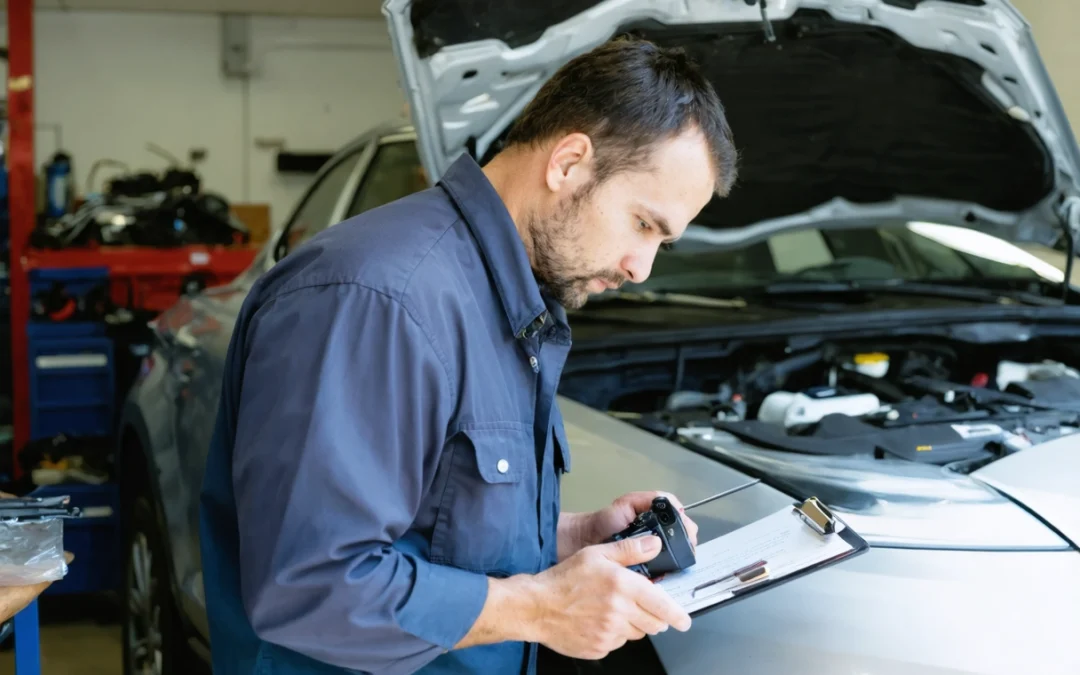
The first step in the auto body repair process is the initial assessment and estimation. Once your vehicle arrives at the shop, a professional technician will conduct a thorough inspection to determine the extent of the damage. They will look for visible damage as well as any underlying issues that might not be immediately apparent. This initial check is crucial as it sets the stage for the entire repair process.
During the assessment, the technician will also take photographs and notes to document the damage. These records are essential for insurance purposes and provide a point of reference throughout the repair process. After the inspection, the technician will create an estimate detailing the needed repairs, the parts required, and the associated costs. It’s important to review this estimate carefully and discuss any concerns you might have before proceeding.
Insurance Approval and Authorization
Once the estimate is complete, the next step involves obtaining insurance approval. Your insurance company will need to review the estimate to ensure the proposed repairs are covered under your policy. This can sometimes involve an additional inspection by an insurance adjuster. The adjuster may visit the shop to verify the damage and ensure that the estimate aligns with their assessment.
After receiving approval from your insurance company, you’ll need to authorize the shop to begin the repair work. This authorization allows the shop to order necessary parts and allocate time for the repairs. It’s crucial to keep communication open with both your insurance provider and the repair shop to facilitate a smooth process.

Disassembly and Damage Analysis
With authorization in hand, the repair process officially begins with disassembly. During this phase, the vehicle is partially dismantled to expose hidden damage and ensure a thorough analysis. This step is vital for identifying any additional issues that were not visible during the initial assessment. It allows the technicians to adjust the repair plan and update the estimate if needed.
Damage analysis is critical because it ensures a comprehensive repair. By examining every aspect of the vehicle, the technicians can address structural and safety concerns that might otherwise be overlooked. This thorough approach not only guarantees a thorough repair but also ensures the vehicle is returned to its pre-accident condition.
Structural and Body Repairs
Once the damage analysis is complete, the actual repair work begins. Structural repairs are often the first step, focusing on restoring the vehicle’s frame and other critical components. The structural integrity of your car is paramount, as it directly impacts safety and performance. Technicians use specialized equipment, such as computerized measuring systems, to ensure precise alignment and repair.
Following structural repairs, the focus shifts to body repairs. This involves fixing dents, replacing damaged panels, and addressing cosmetic issues. Skilled technicians use a combination of traditional techniques and modern technology to restore the vehicle’s appearance. It’s during this phase that the vehicle starts to regain its original look, setting the stage for the final refinishing touches.
Paint and Refinishing
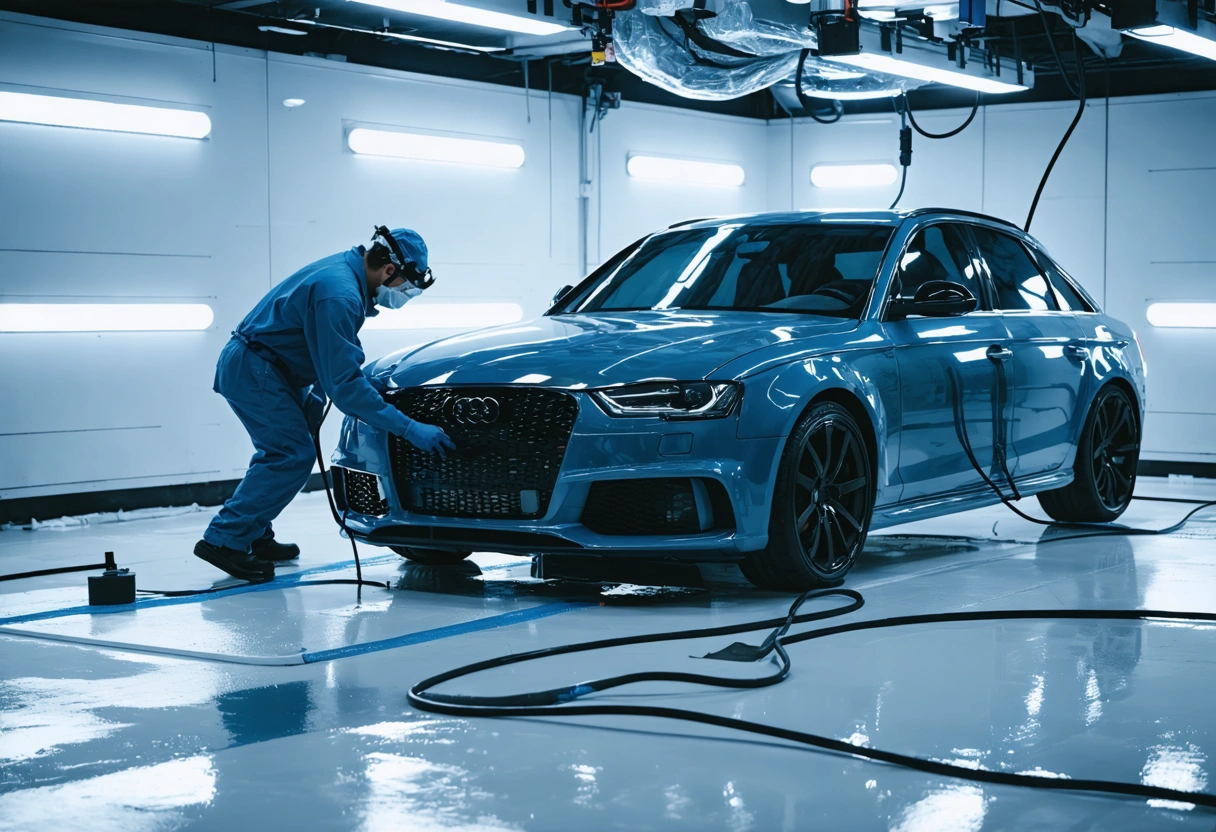
The painting process is not just about aesthetics; it’s a critical step in protecting your vehicle from environmental damage. The process begins with meticulous preparation. The areas to be painted are sanded, primed, and cleaned to ensure a flawless finish. Technicians use advanced color-matching technology to ensure the new paint matches the existing color perfectly.
Once the prep work is complete, the vehicle is moved to a paint booth. Here, technicians apply multiple coats of high-quality paint and a clear coat for added protection. Each layer is carefully applied and allowed to cure for optimal durability. The result is a seamless finish that blends perfectly with the rest of the vehicle, restoring its original luster and shine.
Reassembly and Quality Control
After the paint has dried and cured, the vehicle moves to the reassembly phase. This involves putting back all the parts that were removed during disassembly. Technicians carefully reinstall components, ensuring everything fits perfectly and functions correctly. Attention to detail is crucial during this phase to avoid any issues down the line.
Once reassembly is complete, the vehicle undergoes a rigorous quality control inspection. This final check ensures that all repairs meet industry standards and that the vehicle is safe to drive. Technicians perform a thorough inspection, checking the alignment, testing safety features, and verifying that all systems are functioning correctly. This comprehensive inspection guarantees that your vehicle leaves the shop in peak condition.
Final Detailing and Delivery
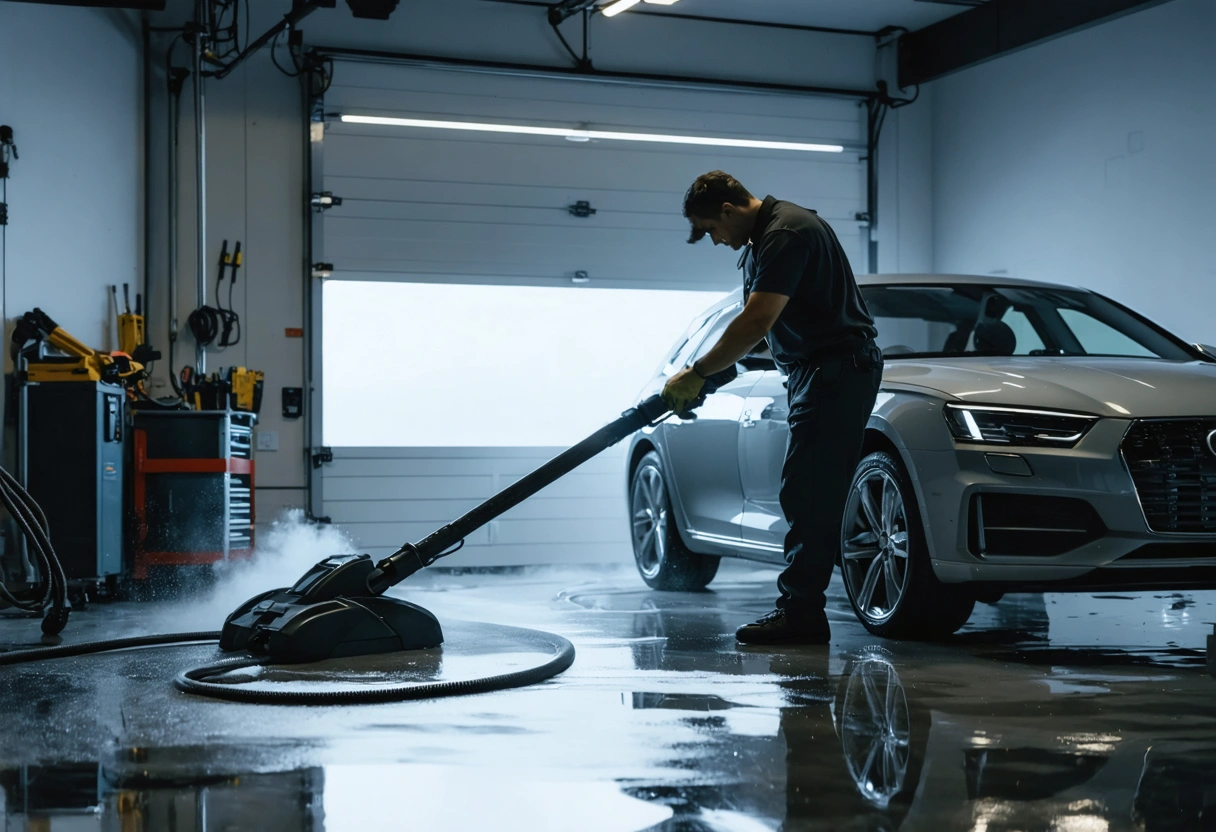
Before returning the vehicle to you, it is given a final detailing. This involves cleaning both the interior and exterior to ensure it looks as good as new. Technicians polish the paintwork, clean the windows, and vacuum the interior, providing a pristine finish. This attention to detail is the final touch that enhances your satisfaction upon receiving your repaired vehicle.
Once detailing is complete, the vehicle is ready for delivery. The shop will contact you to arrange a convenient time for pickup. Upon arrival, a technician will walk you through the repairs, explaining what was done and ensuring you are satisfied with the results. This final interaction is an opportunity to ask any last-minute questions and ensure you have all the information you need moving forward.
Takeaways
Understanding the auto body repair process is crucial for managing expectations and ensuring a smooth experience when your car is in the shop. From the initial assessment and insurance approval to the final detailing and delivery, each step plays a vital role in restoring your vehicle to its pre-accident condition. By working with experienced professionals and maintaining open communication, you can navigate the repair process confidently.
Remember, a reputable auto body shop prioritizes quality workmanship and customer satisfaction. By choosing a shop that adheres to these principles, you can rest assured that your vehicle is in capable hands. Whether you’re dealing with minor cosmetic damage or extensive structural repairs, understanding the process empowers you to make informed decisions and get back on the road safely.
As you navigate the auto body repair process, it’s essential to recognize the significance of choosing the right auto body shop. Not all shops are created equal, and your choice can significantly impact the quality of repairs and overall satisfaction with the experience. Below, we delve deeper into what makes a high-quality shop stand out and how you can choose the best one for your needs.
Choosing the Right Auto Body Shop
When selecting an auto body shop, consider factors such as reputation, experience, and certifications. A shop with a strong reputation in the community is often a reliable choice. Look for reviews and testimonials from previous customers to gauge the quality of service and customer satisfaction. Additionally, asking for recommendations from friends or family can provide valuable insights.
Experience is another critical factor. A shop with years of experience is likely to have encountered a wide range of repair scenarios, equipping them to handle your vehicle’s unique needs effectively. Furthermore, inquire about the shop’s certifications. Certifications from organizations like the Inter-Industry Conference on Auto Collision Repair (I-CAR) or manufacturer-specific programs demonstrate a commitment to ongoing education and adherence to industry standards.
Understanding Warranties and Guarantees

A reputable shop will stand behind its work with warranties and guarantees. These assurances provide peace of mind by ensuring that any issues arising from the repairs will be addressed promptly and at no additional cost to you. Before committing to a shop, ask about their warranty policies. A comprehensive warranty indicates confidence in their workmanship and materials used.
Additionally, understand the scope and duration of the warranty. Some shops may offer a lifetime warranty on certain repairs, while others might provide limited coverage. Clarifying these details upfront can prevent misunderstandings and ensure you receive the best possible service.
The Role of Technology in Modern Auto Body Repair
Technology plays a pivotal role in modern auto body repair. Advanced diagnostic tools and repair equipment have revolutionized the industry, allowing technicians to perform more precise and efficient repairs. For instance, many shops now use computerized paint matching systems to ensure an exact color match for your vehicle’s paint.
Moreover, innovations like laser frame alignment machines ensure that your vehicle’s frame is restored to factory specifications. These technological advancements not only enhance the quality of repairs but also contribute to faster turnaround times. When choosing a shop, inquire about the technology they use and how it benefits the repair process.
Environmental Considerations in Auto Body Repair
As environmental awareness grows, many auto body shops are adopting eco-friendly practices. From using water-based paints to implementing recycling programs, these initiatives reduce the environmental impact of repair processes. Opting for a shop that prioritizes sustainability aligns with responsible consumer choices and supports a healthier planet.

Additionally, some shops might be certified as green businesses, demonstrating a commitment to reducing their carbon footprint. Choosing such a shop not only benefits the environment but also reflects a dedication to forward-thinking practices in the auto repair industry.
Communication and Customer Service
Effective communication is key to a positive auto body repair experience. A good shop will keep you informed throughout the repair process, providing updates on progress and any unforeseen issues. This transparency builds trust and ensures you are never left in the dark about your vehicle’s status.
Customer service also plays a crucial role. From the initial consultation to the final delivery, the shop’s staff should be courteous, knowledgeable, and attentive to your concerns. A positive interaction with the staff can significantly enhance your overall experience and satisfaction with the repair process.
Final Thoughts
Understanding the auto body repair process and knowing what to expect can transform a potentially daunting experience into a manageable one. By focusing on key factors like shop reputation, technology, environmental practices, and customer service, you can make informed decisions and ensure high-quality repairs.
Ultimately, your vehicle’s safety and performance are paramount. Choosing a reputable and experienced auto body shop guarantees that these priorities are upheld. Whether you’re dealing with a minor fender bender or significant collision damage, having a trusted partner in the repair process is invaluable. Embrace the journey with confidence, knowing that your vehicle is in capable hands.
Need help with Understanding the Auto Body Repair Process: What to Expect When Your Car is in Our Shop?