

Understanding the Role of Repair Estimates in Automobile Insurance Claims
When you’re involved in a car accident, navigating the aftermath can be a daunting experience. One of the key components of this process is understanding the repair estimate. This crucial document not only impacts the repair process but significantly influences your automobile insurance claim. By demystifying the repair estimate, you’ll gain a clearer picture of how it affects your claim and your overall financial responsibility.
In this extensive guide, we’ll explore what a repair estimate is, how it is determined, and its pivotal role in your insurance claim. We’ll also look at common misconceptions and provide tips on how to deal with discrepancies between repair estimates and insurance assessments.
What is a Repair Estimate?
A repair estimate is a detailed breakdown of the costs associated with repairing your vehicle after an accident. It is typically prepared by an auto repair shop or a certified mechanic and outlines the parts, labor, and materials required to restore your car to its pre-accident condition. This estimate serves as a crucial tool for both you and your insurance company, helping to determine the financial scope of the damage and guiding the claims process.
Repair estimates can vary significantly based on several factors, including the make and model of your vehicle, the extent of the damage, and the labor rates in your area. Understanding these variables can help you better anticipate the potential costs and prepare for discussions with your insurance provider.
How Repair Estimates Influence Insurance Claims

The repair estimate plays a pivotal role in the insurance claim process. Insurance companies rely on these estimates to determine the amount they will pay for the repairs. This figure is crucial because it can affect whether your car is repaired or deemed a total loss. If the cost of repairs exceeds the car’s actual cash value, the insurer might opt to declare the vehicle a total loss, offering you a payout based on its value instead.
Moreover, the repair estimate influences how much you may have to pay out of pocket. If the estimate exceeds your insurance coverage limits or if there are disagreements about the necessary repairs, you might end up bearing additional costs. Therefore, understanding your policy’s terms and conditions is essential to avoid unexpected expenses. For more on how insurance policies are structured, see this comprehensive guide.
The Process of Obtaining a Repair Estimate
After an accident, the first step is to get a repair estimate from a reputable auto repair shop. It’s advisable to obtain multiple estimates to ensure you’re getting a fair assessment. Once the estimates are obtained, you should submit them to your insurance company for review. The insurer may send an adjuster to inspect your vehicle and verify the repair costs.
During this process, it’s crucial to maintain clear communication with your insurer and the repair shop. Any discrepancies between the repair shop’s estimate and the insurance adjuster’s assessment should be addressed promptly. Understanding how insurance adjusters evaluate claims can provide insight into this process. For detailed information, you can refer to this in-depth article.
Common Misconceptions About Repair Estimates
One common misconception is that the initial repair estimate is final. However, it’s not uncommon for additional damage to be discovered once repairs begin, leading to supplemental estimates. This can affect both the repair timeline and the total cost, impacting your insurance claim.

Another myth is that you are obligated to use the repair shop selected by your insurer. While insurance companies may have preferred providers, the choice ultimately lies with you. Opting for a shop of your choice can sometimes lead to better service or more favorable terms. To understand your rights and options, consider reviewing this detailed guide.
Dealing with Discrepancies and Disputes
Discrepancies between the repair shop’s estimate and the insurance adjuster’s assessment can be frustrating. If you find yourself in this situation, it’s important to have detailed documentation and to communicate effectively with both parties. Providing photographic evidence of the damage and getting a second opinion can strengthen your case.
If disputes arise, many insurance companies have an appeals process that policyholders can follow. It may also be beneficial to consult a public adjuster or an attorney specializing in insurance claims to advocate on your behalf. For more information on how to handle disputes, check out this helpful resource.
Navigating Repair Estimates and Insurance Claims
The repair estimate is a critical component in the aftermath of an automobile accident, significantly influencing your insurance claim. By understanding how estimates are determined and their role in the claims process, you can better navigate the complexities of insurance negotiations and ensure fair compensation.
Always remember to obtain multiple estimates, communicate openly with your insurer, and be aware of your rights as a consumer. By staying informed and proactive, you can minimize stress and financial strain during this challenging time. For more on managing automobile insurance claims, explore this comprehensive guide.
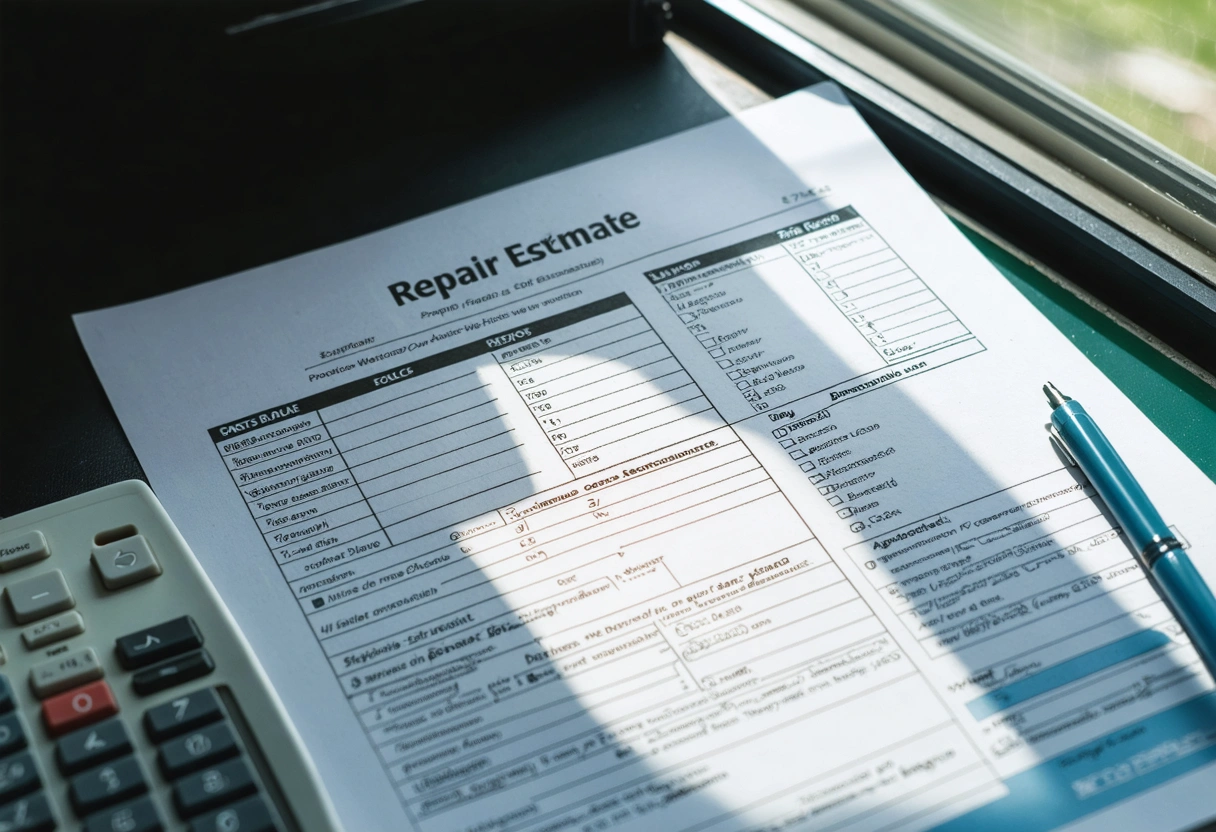
Understanding the Cost Breakdown in a Repair Estimate
To fully grasp how a repair estimate affects your automobile insurance claim, it’s essential to understand the cost breakdown within the estimate itself. Typically, the estimate will be divided into several key components: parts, labor, and miscellaneous fees. Each category can significantly influence the overall cost and your insurance company‘s response to the claim.
Parts: The parts section of the estimate lists all the components that need to be replaced or repaired. This can include anything from body panels to mechanical components. Costs for parts can vary widely based on whether original equipment manufacturer (OEM) parts or aftermarket parts are used. OEM parts tend to be more expensive but are often preferred for maintaining your car’s warranty and performance.
Labor: Labor costs are calculated based on the estimated time required to complete the repairs and the hourly rate charged by the repair shop. These rates can differ depending on the shop’s location, reputation, and specialization. Understanding the labor charges helps you assess whether the quote is in line with industry standards. For insights into what constitutes fair labor rates, this informative article is a valuable resource.
Miscellaneous Fees: This category often includes charges for things like disposal fees, shop supplies, and diagnostic tests. While these fees might seem minor, they can add up and impact the total estimate, influencing your out-of-pocket expenses and insurance coverage.
Factors Affecting Repair Costs and Insurance Decisions
Several factors can affect repair costs and, consequently, insurance decisions regarding your claim. One of the primary factors is the extent of the damage. Superficial damage might only require cosmetic repairs, while more severe damage could necessitate extensive replacements and structural work.

The age and condition of your vehicle also play a significant role. Older vehicles or those with pre-existing conditions might lead insurance companies to decide that repairs are not cost-effective, opting instead to declare the vehicle a total loss. This is particularly true if the repair costs approach or exceed the vehicle’s actual cash value. For more on how vehicle age affects insurance claims, this detailed analysis is quite enlightening.
The Importance of Accurate and Fair Repair Estimates
An accurate and fair repair estimate is crucial not only for ensuring your vehicle is restored to a safe and operable condition but also for securing a fair settlement from your insurance company. If the estimate is too low, you may end up with subpar repairs or out-of-pocket expenses. Conversely, if the estimate is too high, it could lead to disputes and delays in claim processing.
To ensure accuracy, it’s advisable to work with reputable repair shops known for their transparent pricing and quality work. Requesting a detailed explanation of the estimate, including an itemized list of parts and labor, can help you understand what you’re paying for. Additionally, verifying that the estimate aligns with industry standards and your insurer’s guidelines can prevent misunderstandings and foster smoother claim processing.
Leveraging Technology in Repair Estimates and Claims
In today’s digital age, technology plays a significant role in simplifying the repair estimate and insurance claim process. Many repair shops now utilize advanced estimating software to generate more accurate and detailed estimates. These tools often include databases of parts and industry-standard labor times, helping to ensure fairness and consistency.
Moreover, many insurers offer mobile apps or online portals that allow policyholders to submit estimates, track claim status, and communicate with adjusters. These platforms can streamline the process, making it more efficient and less cumbersome. For more insights into the technological advancements in car repairs and insurance claims, this extensive article provides a comprehensive overview.

Final Tips for Navigating Repair Estimates and Insurance Claims
When dealing with repair estimates and insurance claims, preparation and knowledge are your best allies. Here are a few final tips to help you navigate this often complex process:
- Get Multiple Estimates: As mentioned earlier, obtaining multiple estimates can provide a clearer picture of what the repairs should cost and help in negotiations with your insurer.
- Know Your Policy: Understanding the specifics of your insurance policy, including coverage limits and deductible amounts, can prevent surprises and ensure you’re adequately covered.
- Keep Detailed Records: Documenting all communication with repair shops and your insurer, as well as maintaining copies of estimates and invoices, can be invaluable if disputes arise.
- Communicate Clearly: Open and honest communication with all parties involved—repair shops, insurers, and adjusters—can foster transparency and expedite the claims process.
By following these guidelines and leveraging the resources available to you, you can navigate the repair estimate and insurance claim process with confidence and ease. Armed with this knowledge, you’re better equipped to ensure fair treatment and a satisfactory resolution to your automobile insurance claim.
Staying Informed for Future Claims
In conclusion, staying informed and proactive is key to managing repair estimates and insurance claims effectively. By understanding the intricacies of the process, you can approach future claims with greater assurance, ensuring your vehicle is repaired correctly and your financial interests are protected.
Need help with Demystifying the Repair Estimate: How It Influences Your Automobile Insurance Claim?