Understanding Vehicle Alignment and Its Importance
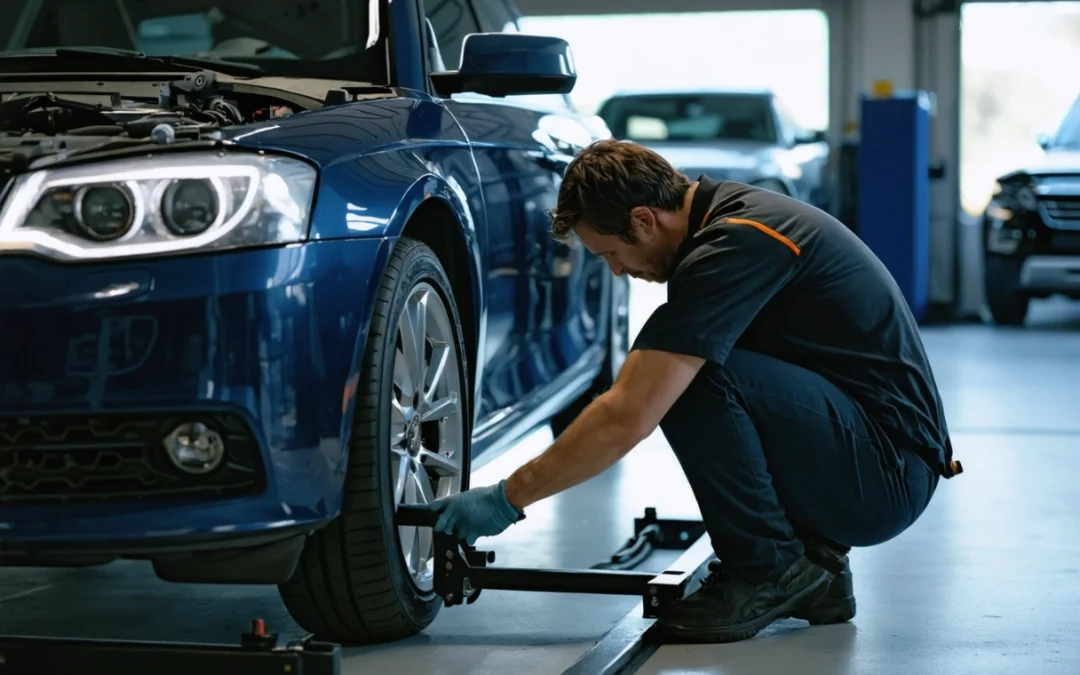
Proper vehicle alignment is crucial for maintaining optimal performance and safety. It refers to the adjustment of a vehicle’s suspension, the system that connects a vehicle to its wheels. The key components of alignment are camber, caster, and toe, which determine how your tires make contact with the road.
When your vehicle is correctly aligned, it ensures that all wheels are pointed in the same direction, promoting even tire wear, improved fuel efficiency, and enhanced handling. Conversely, misalignment can lead to a variety of issues that compromise both performance and safety, making it essential to regularly check and adjust your vehicle’s alignment.
How Misalignment Impacts Vehicle Performance
Misalignment can significantly affect your vehicle’s performance. When your wheels are not aligned properly, you may experience uneven tire wear, which can reduce the lifespan of your tires and lead to costly replacements. Uneven tire wear often results in a rougher ride and decreased traction, particularly in wet or icy conditions.
Another performance issue related to misalignment is reduced fuel efficiency. When your vehicle’s wheels are not aligned, they create more resistance against the road, forcing the engine to work harder and consume more fuel. This inefficiency can become a significant expense over time, particularly if you drive long distances regularly.
Additionally, misalignment can impact your vehicle’s handling and steering. You may notice that your vehicle pulls to one side, or the steering wheel feels off-center even when driving straight. These issues can make driving more difficult and tiring, especially on long trips, and can be dangerous in emergency situations where precise steering is necessary.
The Safety Concerns of Misalignment

Safety is a paramount concern when it comes to vehicle alignment. Misalignment can lead to compromised vehicle control, making it more challenging to navigate turns and maintain stability in adverse conditions. This can increase the risk of accidents, particularly in emergency maneuvers where precise control is critical.
Moreover, uneven tire wear resulting from misalignment can lead to tire blowouts, especially if the wear is severe and goes unnoticed. A blowout at high speeds can be catastrophic, leading to loss of control and potential collisions. Regular alignment checks can help prevent these dangerous situations by ensuring your tires are in optimal condition.
Another safety risk associated with misalignment is the increased stopping distance. Misaligned wheels can cause the braking system to work inefficiently, requiring more distance to bring the vehicle to a complete stop. This delay can be the difference between avoiding a collision and being involved in one, particularly in heavy traffic or poor weather conditions.
Signs of Vehicle Misalignment
Recognizing the signs of misalignment is crucial for maintaining your vehicle’s performance and safety. Common indicators include uneven tire wear, where one side of the tire tread is significantly more worn than the other. You may also notice that your vehicle pulls to one side when driving on a straight road, or that your steering wheel is off-center.
Vibrations in the steering wheel can also indicate misalignment, particularly if they occur at higher speeds. This vibration is often a result of uneven tire wear or wheels that are not properly balanced. Additionally, you might hear unusual noises, such as squealing tires, which can be a sign that your wheels are not aligned correctly.
If you experience any of these symptoms, it’s essential to have your vehicle inspected by a professional technician. They can perform a comprehensive alignment check and make the necessary adjustments to restore your vehicle’s alignment and prevent further issues.
The Role of Advanced Driver-Assistance Systems (ADAS)

Advanced Driver-Assistance Systems (ADAS) play a significant role in modern vehicles, enhancing safety and performance. These systems rely on accurate data from sensors and cameras to function correctly, and proper vehicle alignment is crucial to ensure their effectiveness. Misalignment can skew the data received by these systems, leading to incorrect readings and potentially hazardous situations.
For example, a lane departure warning system depends on the vehicle’s alignment to accurately determine the vehicle’s position within a lane. Misalignment can cause the system to misjudge the vehicle’s position, leading to false warnings or missed alerts. Similarly, adaptive cruise control relies on accurate alignment to maintain safe following distances and adjust speed accordingly.
To ensure that ADAS features operate as intended, it’s essential to maintain proper vehicle alignment. Regular alignment checks and adjustments can help keep these systems functioning optimally, enhancing both performance and safety.
Preventing Misalignment and Maintaining Optimal Performance
Preventing misalignment is key to maintaining your vehicle’s performance and safety. Regular maintenance, including alignment checks and tire rotations, can help prevent issues before they become serious. It’s recommended to have your vehicle’s alignment checked at least once a year, or more frequently if you frequently drive on rough roads or have encountered a significant impact, such as hitting a pothole.
Proper tire maintenance is also crucial in preventing misalignment. Ensure your tires are inflated to the correct pressure, as underinflated or overinflated tires can contribute to misalignment and uneven wear. Regularly inspect your tires for signs of wear and address any issues promptly to avoid further complications.
Additionally, pay attention to your driving habits. Avoid hitting curbs or driving over potholes whenever possible, as these impacts can jar the suspension and lead to misalignment. By taking proactive measures and addressing issues early, you can maintain your vehicle’s alignment and ensure optimal performance and safety.
Takeaways
Vehicle alignment is a critical aspect of automotive maintenance that significantly impacts performance and safety. Misalignment can lead to uneven tire wear, reduced fuel efficiency, and compromised handling, all of which can affect your driving experience and increase safety risks. Recognizing the signs of misalignment and taking proactive measures to prevent it can help maintain your vehicle’s optimal performance.
Regular alignment checks, coupled with proper maintenance of your tires and suspension system, are essential steps in ensuring that your vehicle remains safe and efficient. By addressing misalignment issues promptly, you can enhance your driving experience, extend the lifespan of your tires, and protect yourself and others on the road.
For a deeper understanding of how tire technology influences alignment, explore resources that delve into the specifics of tire dynamics. Additionally, consider consulting with automotive experts to gain insights into the latest advancements in ADAS technology, ensuring you are well-informed about the systems that support your vehicle’s performance and safety.
Professional Alignment Services: What to Expect
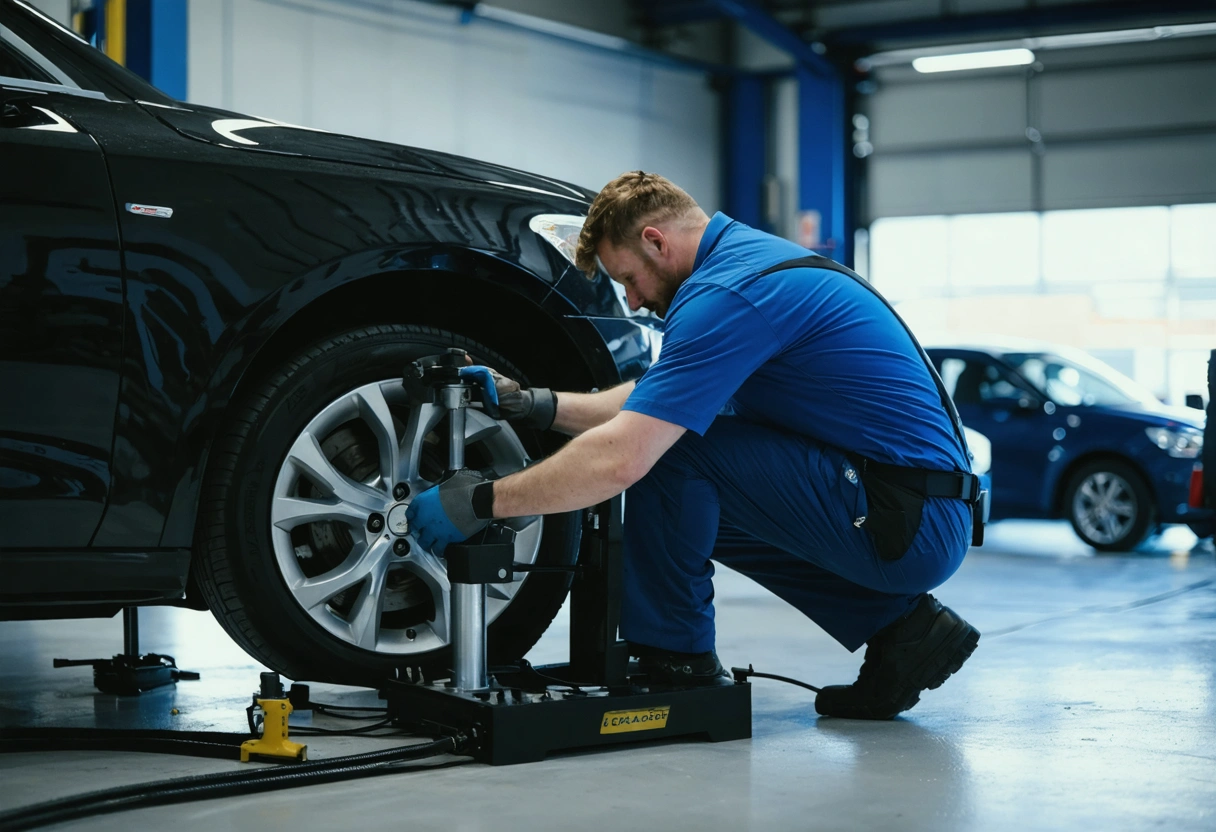
When you take your vehicle in for a professional alignment service, the technicians will typically use specialized equipment to measure your vehicle’s alignment angles with precision. These measurements help them determine the current position of your wheels relative to the manufacturer’s specifications. The three primary angles assessed are camber, caster, and toe.
Camber refers to the tilt of the wheels when viewed from the front of the vehicle. If the top of the wheel tilts inward or outward too much, it can cause uneven tire wear and affect handling. Caster is the angle of the steering pivot when viewed from the side of the vehicle, influencing the vehicle’s stability and steering return. Lastly, toe is the angle at which the wheels turn inward or outward when viewed from above, which directly impacts tire wear and straight-line stability.
The technology used in alignment services has advanced significantly, with many shops now employing computerized alignment machines that provide highly accurate measurements. During an alignment service, technicians will adjust these angles to meet the manufacturer’s specifications, ensuring that your vehicle operates smoothly and safely.
DIY Alignment Checks: What You Can Do at Home
While professional alignment services are recommended for precise adjustments, there are simple checks you can perform at home to assess your vehicle’s alignment. One common method is the string alignment test. This involves using a string to measure the wheel alignment relative to the vehicle’s body. By wrapping the string around the tires and measuring the distance between the string and the vehicle body, you can get a basic idea of whether your wheels are misaligned.
Another method is the eyeball test, where you visually inspect the tires for uneven wear patterns. If you notice that one side of a tire is more worn than the other, it could indicate an alignment issue. Additionally, take note of your vehicle’s steering behavior. If your car pulls to one side or the steering wheel is off-center, it may be time for a professional alignment check.
While these DIY methods can help you identify potential issues, they are not as accurate as professional alignment services. Therefore, if you suspect alignment problems, it is advisable to seek professional assistance to ensure precise adjustments.
Understanding the Costs Involved in Alignment Services
The cost of alignment services can vary based on several factors, including the type of vehicle, the extent of misalignment, and the service provider. On average, a standard alignment service can range from $75 to $100. However, luxury vehicles or those with complex suspension systems might incur higher costs.
In some cases, additional repairs may be necessary if components such as ball joints, tie rods, or suspension bushings are damaged. These repairs can increase the overall cost of alignment services. It’s important to address these issues promptly, as they can directly impact alignment and lead to further complications if left unresolved.
While the upfront cost of an alignment service may seem high, it is a worthwhile investment in the long-term health and performance of your vehicle. Regular alignment checks can extend the lifespan of your tires, improve fuel efficiency, and enhance safety, ultimately saving you money in the long run.

The Environmental Impact of Proper Vehicle Alignment
Proper vehicle alignment not only benefits your vehicle’s performance and safety but also has a positive impact on the environment. When your wheels are correctly aligned, your vehicle operates more efficiently, consuming less fuel. Improved fuel efficiency translates to reduced carbon emissions, contributing to a lower environmental footprint.
Additionally, maintaining proper alignment helps extend the life of your tires, reducing the frequency of tire replacements. This not only saves you money but also minimizes the environmental impact associated with tire manufacturing and disposal. Tires are a significant environmental concern due to the materials used in their production and the challenges involved in recycling.
By ensuring your vehicle is properly aligned, you contribute to a more sustainable future by reducing waste and conserving resources. It’s a simple yet effective way to support environmental conservation while enjoying the benefits of improved vehicle performance and safety.
Prioritize Alignment for Optimal Vehicle Health
In conclusion, vehicle alignment is a critical aspect of automotive maintenance that directly affects performance, safety, and environmental impact. Regular alignment checks and professional services are essential for maintaining the health of your vehicle and ensuring a safe driving experience. By understanding the importance of alignment and recognizing the signs of misalignment, you can take proactive steps to address issues and prevent costly repairs.
Investing in alignment services not only enhances your vehicle’s performance and safety but also contributes to a more sustainable and environmentally friendly future. For more insights into vehicle maintenance, consider exploring resources on comprehensive car maintenance, and stay informed about the latest advancements in automotive technology.
Need help with How Misalignment Affects Your Vehicle’s Performance and Safety?