Introduction to Evaluating a Professional Paint Job
When it comes to your vehicle, the quality of the paint job is more than just a cosmetic concern. A good paint job not only enhances the aesthetic appeal of your car but also provides protection against environmental factors, rust, and corrosion. Understanding how to evaluate the quality of a professional paint job is crucial whether you’re purchasing a new vehicle, restoring an old classic, or simply refreshing your car’s look.
Evaluating a paint job involves several steps, from assessing the initial preparation to inspecting the final finish. This guide will take you through each aspect to help you ensure that your car’s paint job meets your expectations and standards.
Initial Preparation and Surface Evaluation
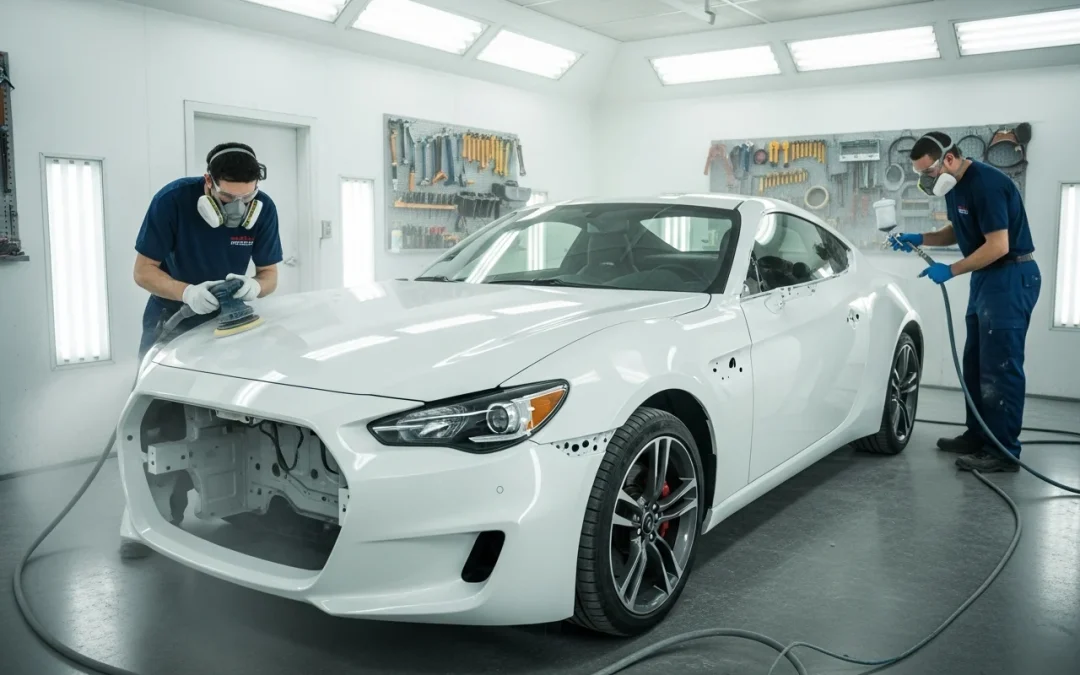
The foundation of any great paint job is proper preparation. This stage involves cleaning, sanding, and priming the vehicle to create a smooth surface for the paint. A professional service will meticulously prepare the car, addressing chips, scratches, and dents before any paint is applied.
During your evaluation, check for imperfections on the vehicle’s surface. Look along the sides of the car for any ripples or waviness, which can indicate inadequate sanding or poor bodywork. The surface should feel smooth to the touch, and there should be no visible scratches or residue from previous coatings.
Inspecting the Primer and Base Coat
The primer and base coat set the stage for the final finish. A high-quality primer ensures that the paint adheres properly and provides an even color distribution. When evaluating, look under natural light to check for any unevenness or discoloration in the base coat. Any variations in color can result in an inconsistent final appearance.
The primer should be evenly applied, without any visible patches or ‘bleed-through’ from the underlying surface. A thorough primer application is essential for durability and longevity, protecting the car’s body from rust and corrosion.
Examining the Paint Application
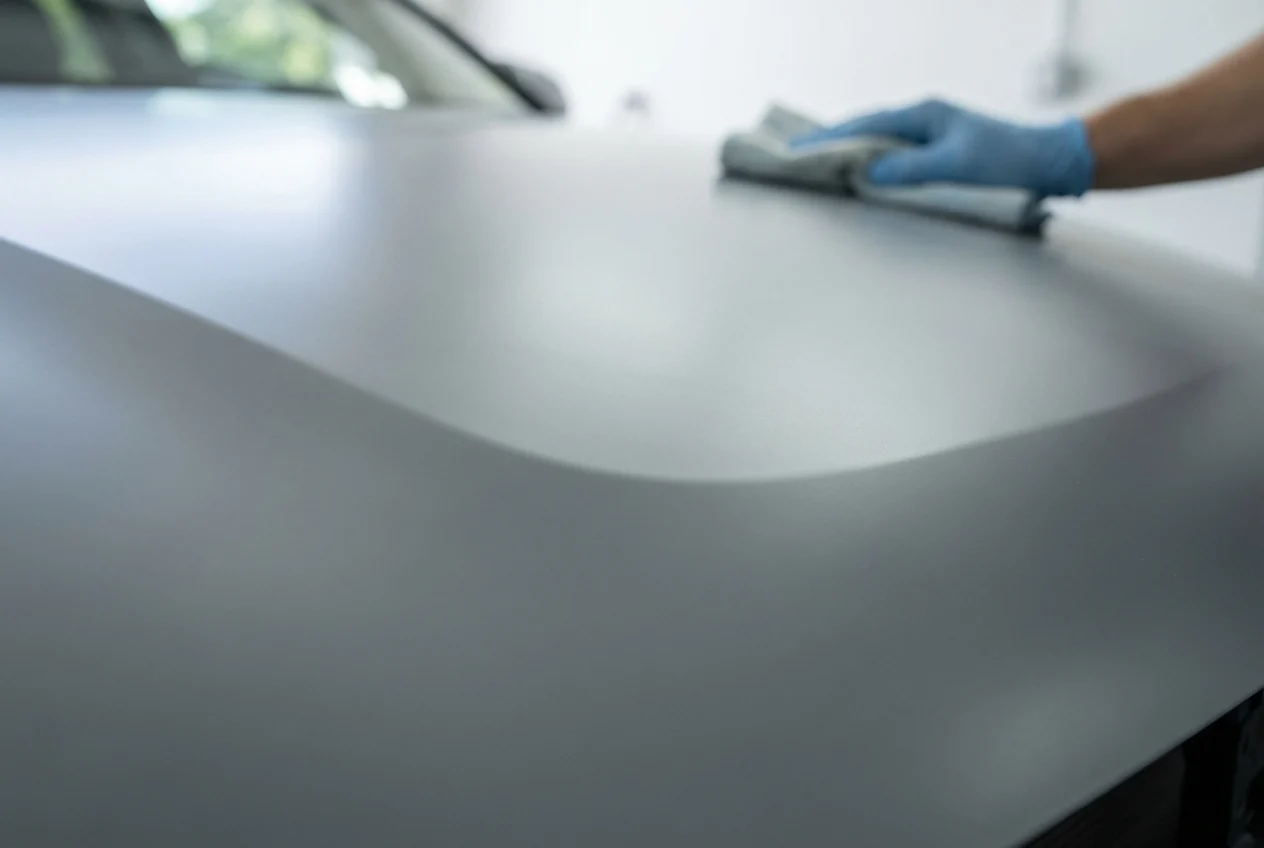
The main event of a paint job is the application of the color coat. This stage requires precision and skill. The paint should appear uniform and consistent, with no signs of streaks, blotches, or color mismatches. A professional painter will ensure that the coats are applied evenly, creating a seamless finish.
Pay attention to the edges and corners of the car. These areas are often neglected, leading to thinner paint. Run your fingers along these sections to verify that the paint coverage is as thorough as on the rest of the vehicle.
Understanding Paint Types and Their Impact
Familiarize yourself with the types of paint used on vehicles. Common types include acrylic, urethane, and water-based paints. Each has its own advantages and can affect the finish differently. For example, urethane paints are known for their durability and high gloss, making them a popular choice for automotive finishes.
Ask the service provider about the type of paint used and its suitability for your vehicle. The choice of paint can influence the car’s appearance and its resistance to external factors like UV rays and harsh weather conditions.
Evaluating the Clear Coat Finish
The clear coat is the final layer of protection and gloss. A quality clear coat not only enhances the depth and shine of the color but also acts as a barrier against environmental damage. Inspect the clear coat for any signs of orange peel, a texture resembling the surface of an orange, which can indicate a rushed application.
Additionally, check for signs of runs or drips in the clear coat. These imperfections suggest that the coat was applied too thickly or without proper technique. A smooth, glass-like surface is indicative of a well-executed clear coat.
The Role of Polishing and Buffing
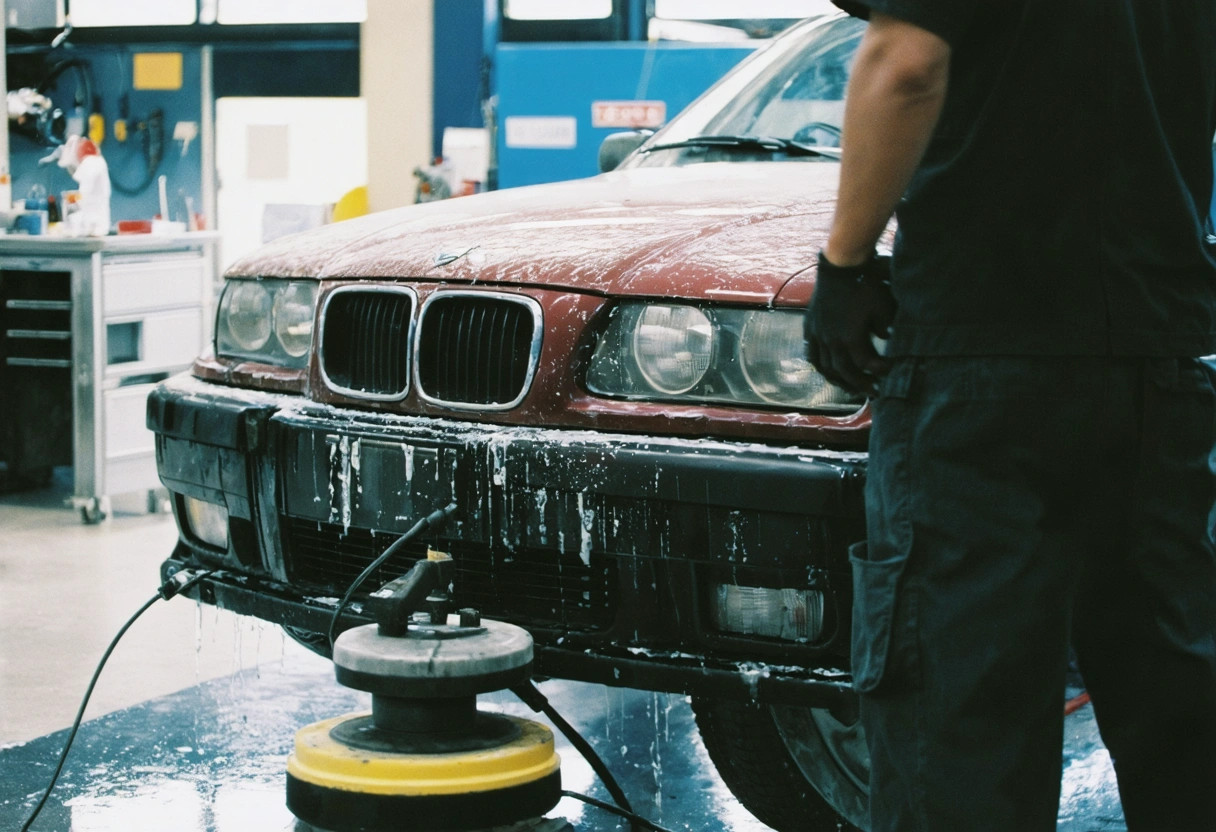
Once the clear coat is applied, the vehicle should undergo polishing and buffing to enhance its shine. This process involves removing any slight imperfections and ensuring a mirror-like finish. Examine the car under different lighting conditions to assess the clarity and reflectivity of the surface.
Professional polishing will eliminate any minor scratches or swirl marks, leaving the paint job immaculate. If you notice any haziness or dull spots, it may be a sign that the polishing was inadequate.
Inspecting for Consistency and Uniformity
A significant aspect of evaluating a paint job is ensuring consistency and uniformity across the entire vehicle. The color should match across all panels, and there should be no visible transitions or mismatches. This is especially important if only certain parts of the vehicle were repainted.
Compare the newly painted sections with the existing paintwork. Even if the color is the same, the finish should also match in terms of gloss and texture. Any discrepancies may indicate a lack of attention to detail during the painting process.
Checking for Overspray and Masking Lines
Overspray occurs when paint lands on unintended areas, often due to insufficient masking. Inspect the vehicle for any signs of overspray, especially around trim, windows, and rubber seals. These areas should be free of any paint residue, indicating that proper masking techniques were used.
Additionally, look for any harsh masking lines, which are the borders where the paint ends abruptly. These lines suggest that the tape was not removed correctly or that the paint was not blended properly during application.
Ensuring Durability and Longevity
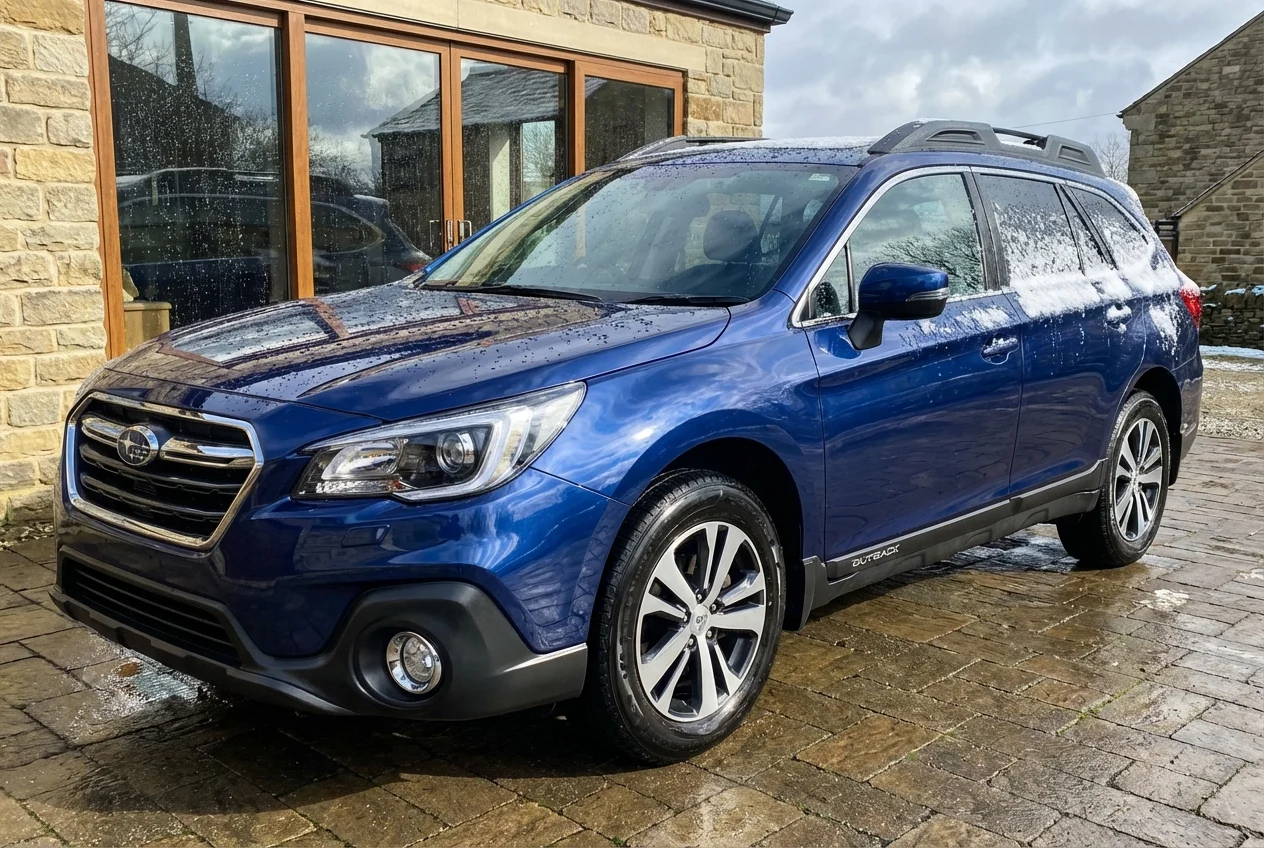
Beyond aesthetics, a professional paint job should offer durability. The paint should withstand daily wear and tear, remaining resilient against elements like rain, snow, and sunlight. Ask about any warranties or guarantees offered by the painting service. This can provide peace of mind regarding the paint job’s longevity.
The durability of a paint job is often a reflection of the materials used and the skill of the technicians. A reputable service will use high-quality materials and offer warranties to back their work, ensuring that you’re not left with a subpar finish.
Considering Environmental and Maintenance Factors
Different environments can affect the longevity of a paint job. For instance, vehicles in coastal areas may face salt exposure, which can accelerate corrosion. Understanding how your local climate impacts your vehicle can help you choose the right paint type and maintenance routine.
Regular maintenance, such as washing and waxing, can also prolong the life of your paint job. These practices help to protect the clear coat and maintain the vehicle’s shine. Consider learning about proper car paint maintenance techniques to keep your vehicle looking its best.
Takeaways
Evaluating the quality of a professional paint job on your vehicle involves a thorough inspection of several key aspects, from initial preparation to the final clear coat finish. By understanding what to look for at each stage, you can ensure that your car’s paint job is not only visually appealing but also durable and long-lasting.
A high-quality paint job can significantly enhance the value and appearance of your vehicle, offering protection against the elements and prolonging its lifespan. By working with a reputable service and being aware of the key evaluation points, you can achieve a paint job that meets your standards and exceeds your expectations.
For those interested in learning more about automotive paint and refinishing, consider exploring additional resources and guides on the subject. This knowledge will empower you to make informed decisions, whether you’re overseeing a new paint job or maintaining an existing one.
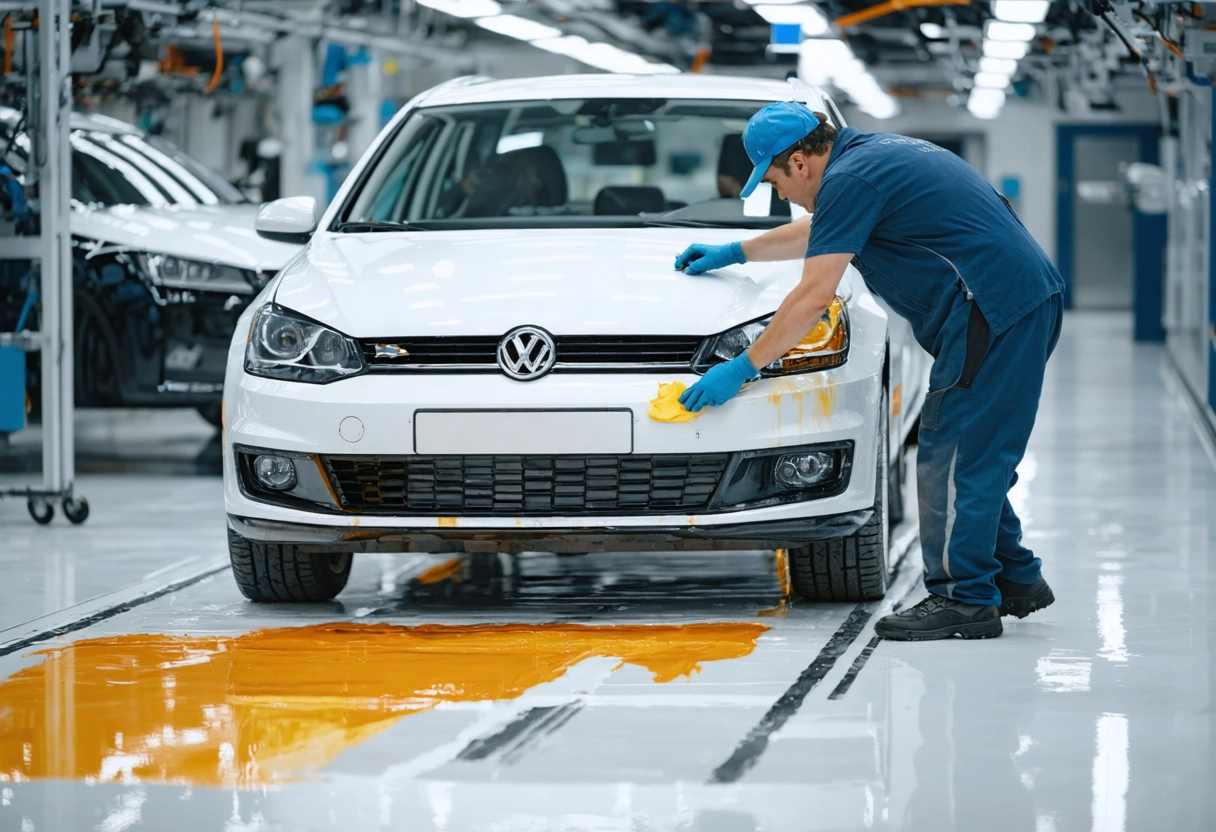
Advanced Techniques in Automotive Painting
As technology evolves, so do the techniques and materials used in automotive painting. Understanding these advanced methods can help you better evaluate a professional paint job, especially when dealing with high-end or custom finishes.
Exploring Waterborne Paints
Waterborne paints have gained popularity due to their environmentally friendly properties and superior finish quality. Unlike traditional solvent-based paints, waterborne paints contain fewer volatile organic compounds (VOCs), making them a healthier choice for both the painter and the environment. These paints offer excellent coverage and color matching, often resulting in a more vibrant finish.
When evaluating a paint job that uses waterborne paints, look for a uniform finish without any streaks or patches. The drying process for waterborne paints can differ from solvent-based ones, often requiring specific equipment. Ensure that the service provider has the necessary tools to achieve an optimal finish.
The Role of Custom Paint Techniques
Custom paint techniques, such as pearlescent, metallic, or flip-flop finishes, can add depth and uniqueness to your vehicle. These techniques require specialized skills and materials, resulting in a dynamic appearance that changes under different lighting conditions. Evaluating such a paint job involves observing the color transitions and ensuring that there are no abrupt shifts or inconsistencies.
Additionally, custom finishes often incorporate layers of different colors or effects. Inspect closely to see if each layer blends seamlessly with the next, creating a cohesive look. Such finishes should appear smooth and even, enhancing the overall aesthetic of the vehicle.
Choosing the Right Professional for Your Paint Job
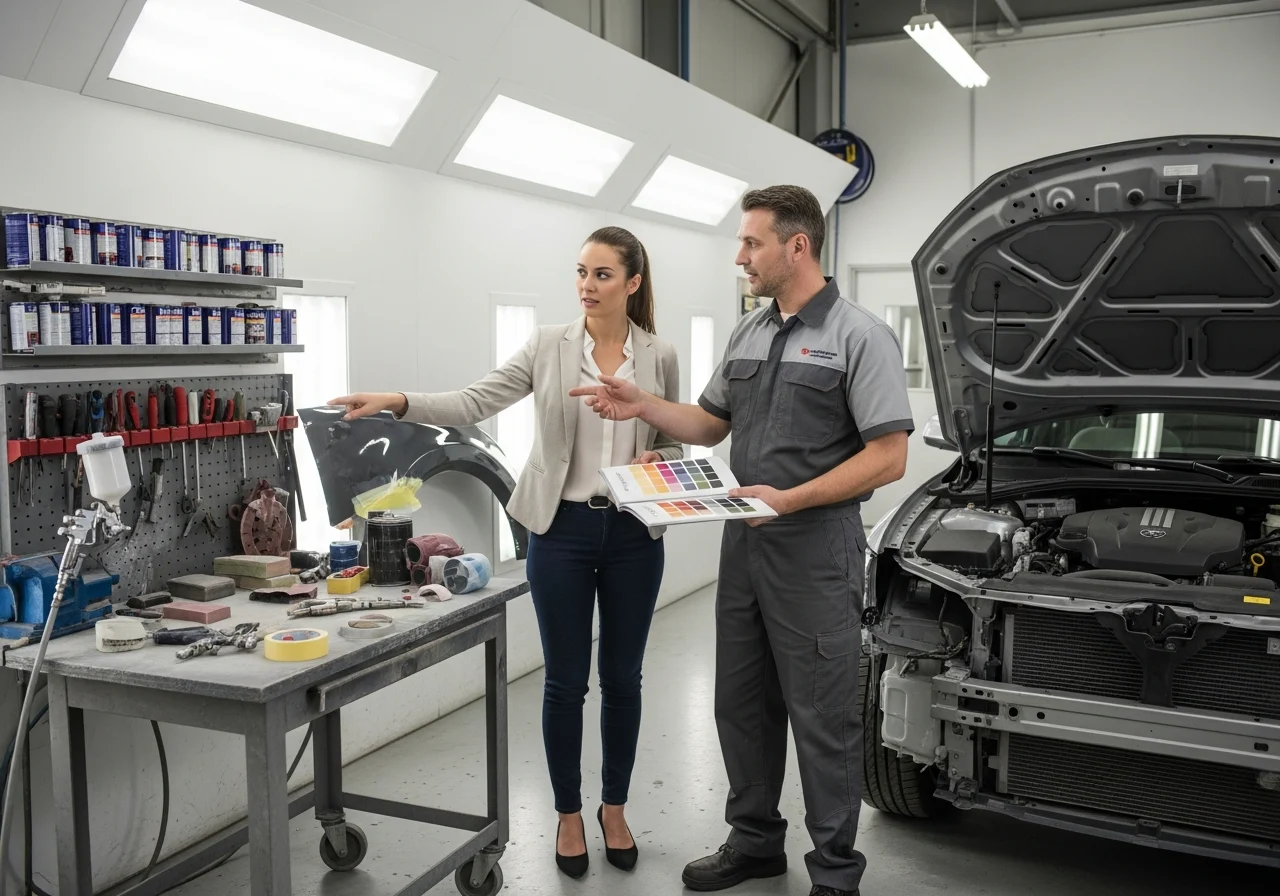
Selecting the right professional service is crucial to achieving a high-quality paint job. Research and compare different providers, considering factors such as experience, reputation, and customer feedback. A reputable service will offer transparency about their processes and provide detailed estimates, avoiding unexpected costs.
Visit the workshop if possible to observe their facilities and practices. A clean, organized workspace is often indicative of their attention to detail and commitment to quality. Discuss your expectations and any specific requirements you have for your vehicle, ensuring that the service provider understands your vision and can deliver accordingly.
Verifying Certifications and Credentials
When selecting a professional service, verify their certifications and credentials. Organizations such as the National Institute for Automotive Service Excellence (ASE) provide certifications that demonstrate a technician’s knowledge and expertise in automotive paint and refinishing. Choosing a certified professional ensures that your vehicle is in capable hands.
Additionally, inquire about any ongoing training or education the technicians receive. The automotive painting industry is constantly evolving, and staying updated with the latest techniques and technologies is essential for delivering top-notch results.
Takeaways
Evaluating the quality of a professional paint job on your vehicle is a multifaceted process that requires attention to detail and knowledge of the latest techniques. By understanding the critical aspects of preparation, paint application, and finish quality, you can ensure that your car receives a paint job that is both visually stunning and durable.
Whether you are considering a simple refresh or a custom finish, selecting the right professional and being aware of the factors that contribute to a high-quality paint job will help you achieve the best results. For further insights into automotive painting and refinishing, consider exploring additional resources and industry publications, such as those from the American Coatings Association, to stay informed and empowered in your decision-making process.
Need help with How to Evaluate the Quality of a Professional Paint Job on Your Vehicle?