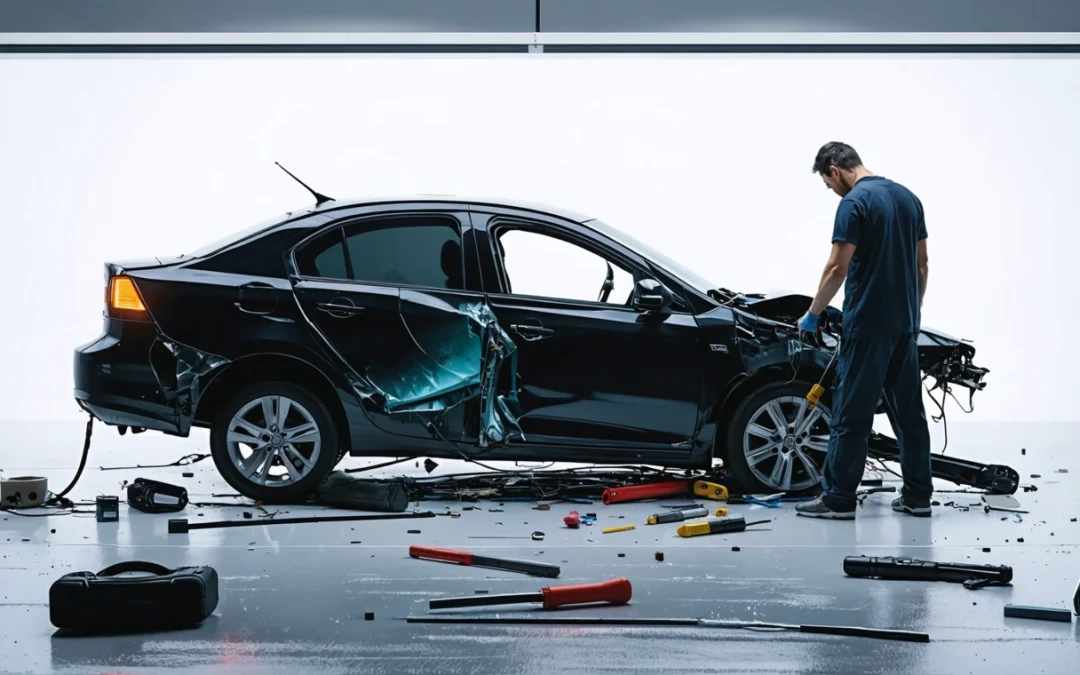
After experiencing a car accident, you may feel overwhelmed by the obvious damage to your vehicle. However, beneath the surface, there might be hidden damage that isn’t immediately apparent. Recognizing these issues early can save you from future headaches and expenses. In this comprehensive guide, we will unravel the nuances of spotting concealed damage after a collision, ensuring you are well-prepared to address every aspect of your vehicle’s repair needs.
Understanding how to identify hidden vehicle damage can be the difference between a smooth repair process and continuous car troubles. From subtle signs to detailed inspections, we cover everything you need to know to safeguard your car’s functionality and value.
Common Types of Hidden Damage
While some damage is easily visible, such as dents, scratches, or broken glass, other types of damage may not be immediately obvious. Here are some common types of hidden damage that can occur after an accident:
Frame Damage
One of the most severe forms of hidden damage is frame damage. The car’s frame is its structural backbone, and any compromise can affect the vehicle’s alignment and safety. Even minor bumps can cause misalignments that have long-term effects. Look for signs such as uneven gaps between body panels or doors that do not close properly, as these can indicate underlying frame issues.
Electrical System Issues
Another area often affected in accidents is the electrical system. Wiring can become frayed or disconnected, leading to issues like malfunctioning lights, non-operational power windows, or problems with the infotainment system. Pay attention to any new warning lights on your dashboard, as they might be clues to electrical problems.
How to Detect Engine and Transmission Problems
The engine and transmission are crucial components that can suffer hidden damage during a collision. Identifying issues early can prevent more serious problems down the line.
Engine Performance
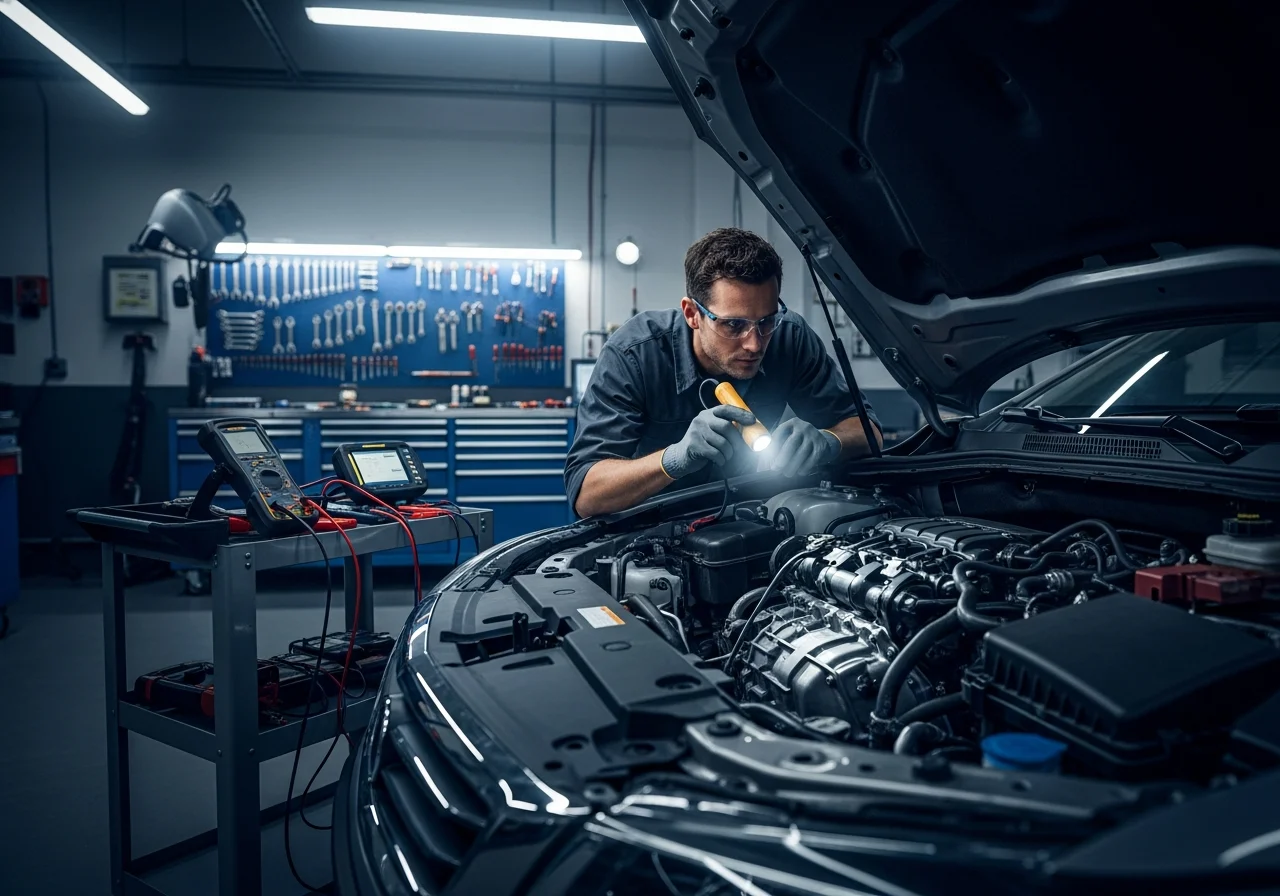
Post-accident, monitor your engine for unusual noises, reduced power, or rough idling. These issues can stem from misalignments or damaged parts like the radiator or exhaust system. A professional mechanic can perform diagnostic tests to uncover specific engine problems resulting from an accident.
Transmission Concerns
If your vehicle struggles with shifting gears, or if you notice fluid leaks, your transmission may be compromised. These symptoms can indicate issues such as cracked transmission cases or misaligned components, often caused by the impact of an accident. A thorough inspection by a transmission specialist can verify these issues.
The Importance of a Professional Inspection
While you can perform initial checks yourself, professional inspections are vital for uncovering hidden damage. Mechanics have the expertise and equipment necessary to identify and address issues that might not be visible to the untrained eye.
Advanced Diagnostic Tools
Modern vehicles are equipped with sophisticated computer systems that require advanced diagnostic tools for thorough inspections. Professional mechanics can use these tools to detect issues within the car’s electronic system, ensuring that all potential problems are addressed.
Comprehensive Damage Assessment
During a professional inspection, mechanics will conduct a comprehensive assessment, which includes checking the alignment, suspension, and undercarriage, among other components. This process helps in identifying any structural damage that might not be visible on the surface.
Identifying Suspension System Damage
The suspension system is another critical area that might suffer hidden damage after an accident. This system is responsible for maintaining the vehicle‘s stability, handling, and ride comfort.
Signs of Suspension Damage
Common indicators of suspension damage include the car pulling to one side, vibrations while driving, or uneven tire wear. These symptoms suggest issues such as damaged control arms, bent struts, or misaligned wheels, all of which need to be addressed to restore the vehicle’s performance.
Visual Inspection Techniques
Conduct a visual inspection of the suspension components by looking for visible cracks or bends in the parts. Also, check for any leaking fluids around the shock absorbers, which can be a sign of damage. When in doubt, consult a professional for a more detailed examination.
Ensuring Safety Post-Accident
Your safety on the road should always be a priority after an accident. Ensuring that all hidden damage is addressed not only protects your investment but also ensures that your vehicle provides the safety it is designed for.
Airbag System Check
Even if the airbags didn’t deploy during the accident, the system might still have been compromised. It’s essential to have a professional check the airbag sensors and control units to ensure they will function correctly in the event of another collision.
Braking System Evaluation
The braking system can also suffer from hidden damage. If you notice squeaking, grinding noises, or a soft brake pedal, have your brakes inspected immediately. These symptoms can indicate problems with the brake pads, rotors, or fluid levels, which are critical to your safety.
The Value of Diligence in Post-Accident Care
Spotting hidden damage after a car accident requires diligence, attention to detail, and often the expertise of a professional. By understanding the common areas where damage can occur and knowing the signs to watch for, you can ensure your vehicle is thoroughly repaired and safe to drive.
Remember, the sooner you identify and address hidden damage, the better you can maintain your vehicle’s performance and safety standards. A proactive approach not only saves money in the long run but also provides peace of mind knowing that both you and your passengers are secure on the road.

For further reading, explore resources on the National Highway Traffic Safety Administration website, understand Insurance Institute for Highway Safety guidelines, or learn about vehicle safety standards at the Federal Motor Carrier Safety Administration. These organizations provide invaluable information to help you stay informed and prepared.
Understanding Insurance Implications
After identifying and confirming hidden damage post-accident, navigating the insurance claim process becomes crucial for a smooth recovery. Understanding how insurance companies evaluate claims and what type of documentation is necessary will significantly impact the outcome of your repair process.
Documenting the Damage
To support your insurance claim, it is essential to document all visible and hidden damage thoroughly. Take photos of the damage from multiple angles and keep any repair estimates or mechanic’s reports. This documentation serves as evidence and can expedite the claims process by providing clear proof of the extent and nature of the damage.
Communicating with the Adjuster
Insurance adjusters assess the damage and determine the payout amount. Ensure you communicate all identified issues, including hidden damage, to the adjuster. Providing them with detailed documentation and repair estimates can help ensure that your claim covers all necessary repairs.
Choosing the Right Repair Shop
Selecting a reputable repair shop is a critical step in addressing both visible and hidden damage after an accident. Not all repair shops offer the same level of expertise or service quality, so it’s important to make an informed decision.
Certifications and Expertise
Look for repair shops that hold certifications from recognized organizations such as the National Institute for Automotive Service Excellence (ASE). Certified technicians have undergone rigorous training and testing to ensure they possess the necessary skills to handle complex repairs, including hidden damage.

Customer Reviews and Recommendations
Research online reviews and ask for recommendations from friends or family to find a repair shop with a strong reputation for quality work. Positive reviews can indicate a shop’s reliability and customer satisfaction, while recommendations from trusted sources can provide peace of mind.
Preventive Measures for Future Protection
While accidents are sometimes unavoidable, there are steps you can take to minimize the risk of hidden damage in the future. Implementing preventive measures can improve your vehicle’s resilience and reduce the likelihood of extensive damage.
Regular Maintenance and Inspections
Regular maintenance checks can help identify and address potential issues before they become significant problems. Schedule routine inspections of critical systems such as brakes, suspension, and electrical components. Regular upkeep ensures that your car remains in optimal condition, reducing the impact of any future accidents.
Investing in Safety Technology
Consider upgrading your vehicle with advanced safety technologies such as collision avoidance systems, backup cameras, and lane departure warnings. These features can help prevent accidents and reduce the severity of impacts, potentially mitigating hidden damage.
Legal Considerations After an Accident
Understanding your legal rights is vital following a car accident, especially when hidden damage is involved. Knowing what steps to take can protect your interests and ensure fair compensation.
Consulting with a Legal Professional
If you encounter disputes with your insurance company or the other party involved in the accident, consulting with a legal professional can be beneficial. An attorney specializing in auto accidents can provide guidance on your rights and help you navigate complex legal processes.
Understanding Liability and Coverage
Familiarize yourself with your insurance policy to understand the coverage limits and what is considered under your liability. Knowing this information can help you make informed decisions and avoid unexpected expenses during the repair process.

Embracing New Technologies in Damage Detection
Advancements in automotive technology are continually improving the way we detect and address hidden damage. Embracing these innovations can enhance the accuracy and efficiency of the repair process.
3D Imaging and Scanning
Some repair shops now use 3D imaging and scanning technologies to assess vehicle damage comprehensively. These tools provide detailed images of the car’s structure, allowing technicians to identify hidden damage more accurately and develop precise repair plans.
Telematics and Vehicle Data
Modern vehicles are equipped with telematics systems that record data before, during, and after an accident. This information can be invaluable in diagnosing hidden damage and understanding the impact’s effects on your vehicle’s systems.
By staying informed and proactive, you can effectively manage the aftermath of a car accident, ensuring that all hidden damage is addressed and your vehicle is restored to its original condition. Leveraging technology, understanding your rights, and selecting trusted professionals are key steps in achieving a successful repair process and maintaining your car’s safety and performance on the road.
Ultimately, being vigilant and informed empowers you to handle post-accident challenges effectively, preserving your vehicle’s integrity and safety.
Need help with How to Spot Hidden Damage After a Car Accident?