

Understanding what happens during a comprehensive auto body diagnostic assessment can help car owners better prepare for the process and ensure they receive the most accurate information about their vehicle’s health. Whether you’re dealing with a recent accident or simply maintaining your car’s condition, knowing what to expect can make the experience smoother and more beneficial.
During an auto body diagnostic assessment, technicians use advanced tools and techniques to assess the condition of your vehicle’s exterior and internal components. This thorough examination can uncover hidden damage, identify necessary repairs, and help extend the life of your car.
The Importance of a Comprehensive Auto Body Diagnostic Assessment
A comprehensive diagnostic assessment is crucial for maintaining your vehicle’s overall health. It allows technicians to identify both visible and hidden damage, which can prevent further deterioration. For example, a seemingly minor scratch could lead to rust if not addressed promptly. Additionally, such assessments help in identifying issues that might not be visible to the naked eye, such as internal damage to the frame or mechanical components.
Regular diagnostic assessments also play a vital role in maintaining your vehicle’s resale value. A well-documented history of maintenance and repairs can reassure potential buyers about the car’s condition. Furthermore, a thorough assessment can prevent costly repairs in the long run by catching problems early.
How Often Should You Schedule an Assessment?
The frequency of diagnostic assessments depends on various factors such as the age of your vehicle, driving conditions, and any recent accidents. Generally, it’s advisable to have an assessment done annually, or after any incident that might have caused damage to the car. Regular check-ups ensure that any underlying issues are addressed promptly, keeping your vehicle in optimal condition.
Technological Tools Used in Diagnostic Assessments
The advancement of technology has significantly enhanced the accuracy and efficiency of auto body diagnostic assessments. Technicians now use a variety of tools designed to provide detailed insights into the condition of your vehicle. One of the most common tools is the computerized diagnostic scanner, which connects to the vehicle’s onboard computer to retrieve error codes and other data.
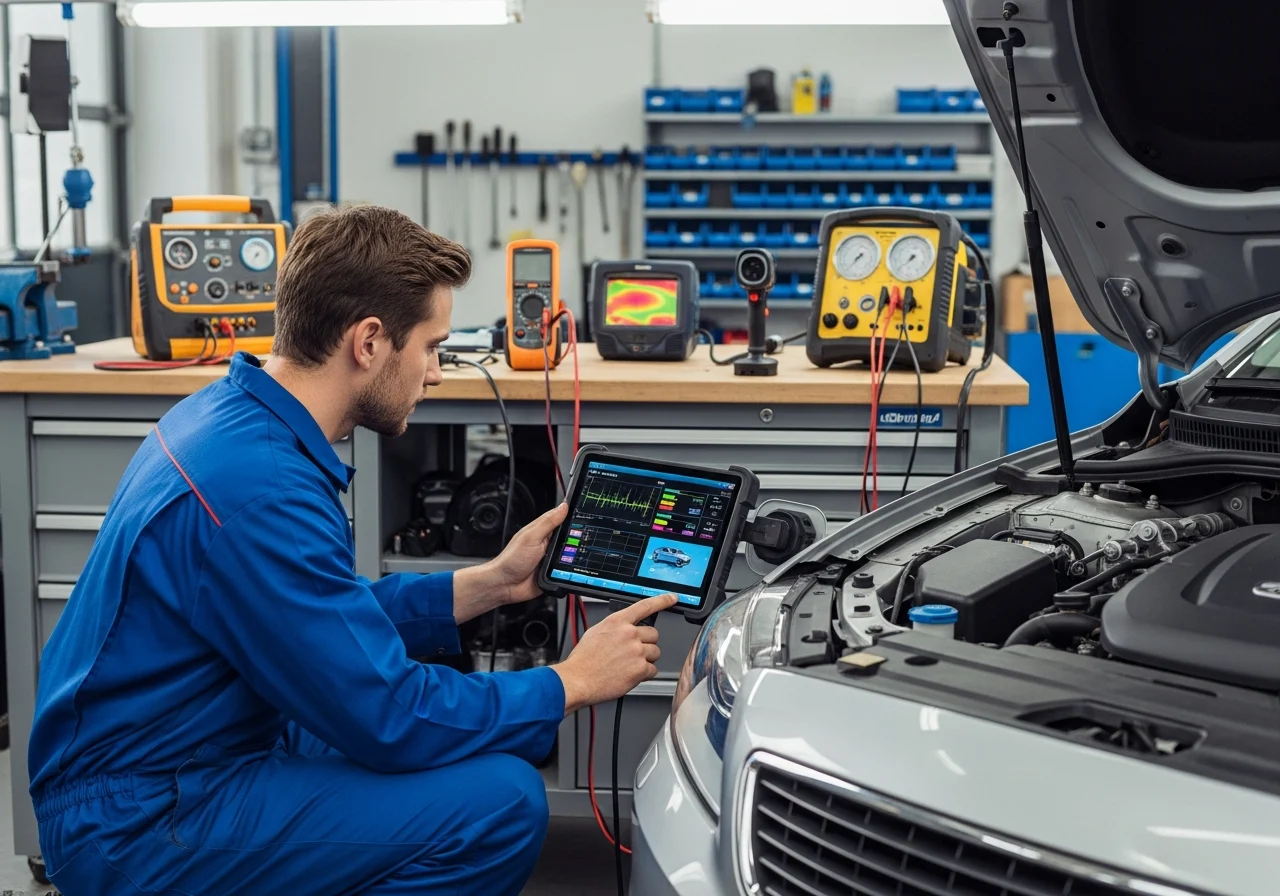
Additionally, technicians may use advanced imaging tools, such as digital cameras and 3D scanners, to assess the vehicle’s exterior. These tools help in identifying structural damage that might not be evident through a visual inspection. Laser measurement systems are also employed to ensure the frame and body of the vehicle are perfectly aligned.
The Role of Software in Diagnostics
Software plays a crucial role in modern diagnostic assessments. Programs that analyze data from various sensors provide a comprehensive view of the vehicle’s performance and condition. This software can detect issues ranging from alignment problems to engine inefficiencies. By interpreting this data, technicians can make informed decisions about necessary repairs and maintenance.
Understanding the Diagnostic Process
The diagnostic process typically begins with a visual inspection. Technicians look for obvious signs of damage, such as dents, scratches, or misaligned panels. Following this, they use diagnostic tools to assess the vehicle’s internal systems. This often includes checking the engine, transmission, brakes, and electronic systems.
Once the initial assessment is complete, technicians review the data collected from the diagnostic tools. They identify any error codes and determine the underlying causes. This step is crucial, as it allows them to pinpoint the exact nature of any issues and recommend appropriate solutions.
Interpreting Diagnostic Results
After completing the diagnostic assessment, technicians provide a detailed report outlining their findings. This report typically includes a list of identified issues, recommended repairs, and an estimated timeline for completion. It is essential for car owners to thoroughly review this report and discuss any concerns with the technician to ensure they fully understand the vehicle’s condition.
Moreover, technicians can prioritize repairs based on their urgency and impact on the vehicle’s performance. This information helps car owners make informed decisions about which repairs to address immediately and which can be scheduled for a later date.

Common Issues Identified During Assessments
During a comprehensive auto body diagnostic assessment, several common issues may be identified. These include structural damage, such as bent frames or misaligned panels, which can affect the vehicle’s safety and performance. Additionally, assessments often reveal issues with the paint and coating, such as scratches, chips, or fading, which can lead to rust and further deterioration if left unaddressed.
Mechanical and electronic issues are also commonly discovered during diagnostic assessments. These can range from engine inefficiencies and transmission problems to faulty electrical components. Addressing these issues promptly is crucial for maintaining the vehicle’s reliability and safety.
Preventative Measures to Take
One of the benefits of a comprehensive diagnostic assessment is the opportunity to take preventative measures. Technicians can provide recommendations on how to prevent future damage, such as applying protective coatings or adjusting driving habits. Additionally, they can suggest routine maintenance practices, such as regular oil changes or tire rotations, to keep the vehicle in optimal condition.
The Benefits of Professional Diagnostic Services
While some vehicle owners may attempt to perform their own diagnostic assessments, professional services offer several advantages. Technicians have access to advanced tools and technology that provide more accurate results than those available to the average car owner. Additionally, their expertise allows them to interpret diagnostic data effectively and recommend appropriate solutions.
Professional diagnostic services also provide peace of mind. Knowing that your vehicle has been thoroughly inspected by experienced professionals can alleviate concerns about its condition and reliability. Furthermore, having a documented history of professional assessments can enhance the vehicle’s resale value and appeal to potential buyers.
Choosing the Right Diagnostic Service Provider
When selecting a diagnostic service provider, it’s important to consider factors such as their reputation, experience, and the range of services they offer. Look for providers who specialize in comprehensive assessments and have a proven track record of satisfied customers. Additionally, consider their use of technology and whether they stay up-to-date with the latest advancements in diagnostic tools and techniques.

Reading reviews and testimonials can provide valuable insights into the quality of service provided by a diagnostic center. Furthermore, ensure that the technicians are certified and have undergone proper training to handle various diagnostic tools and equipment.
Ensuring Your Vehicle‘s Longevity
A comprehensive auto body diagnostic assessment is an essential part of vehicle maintenance that can help ensure its longevity and safety. By understanding what to expect during the assessment, vehicle owners can make informed decisions about necessary repairs and maintenance. Regular diagnostic assessments not only enhance the vehicle’s performance but also contribute to maintaining its resale value.
By choosing the right diagnostic service provider and staying proactive about vehicle maintenance, car owners can enjoy a reliable, safe, and efficiently running vehicle for years to come. Embrace the importance of regular assessments and take the necessary steps to keep your car in top condition, ensuring peace of mind every time you hit the road.
Advanced Diagnostic Techniques for Modern Vehicles
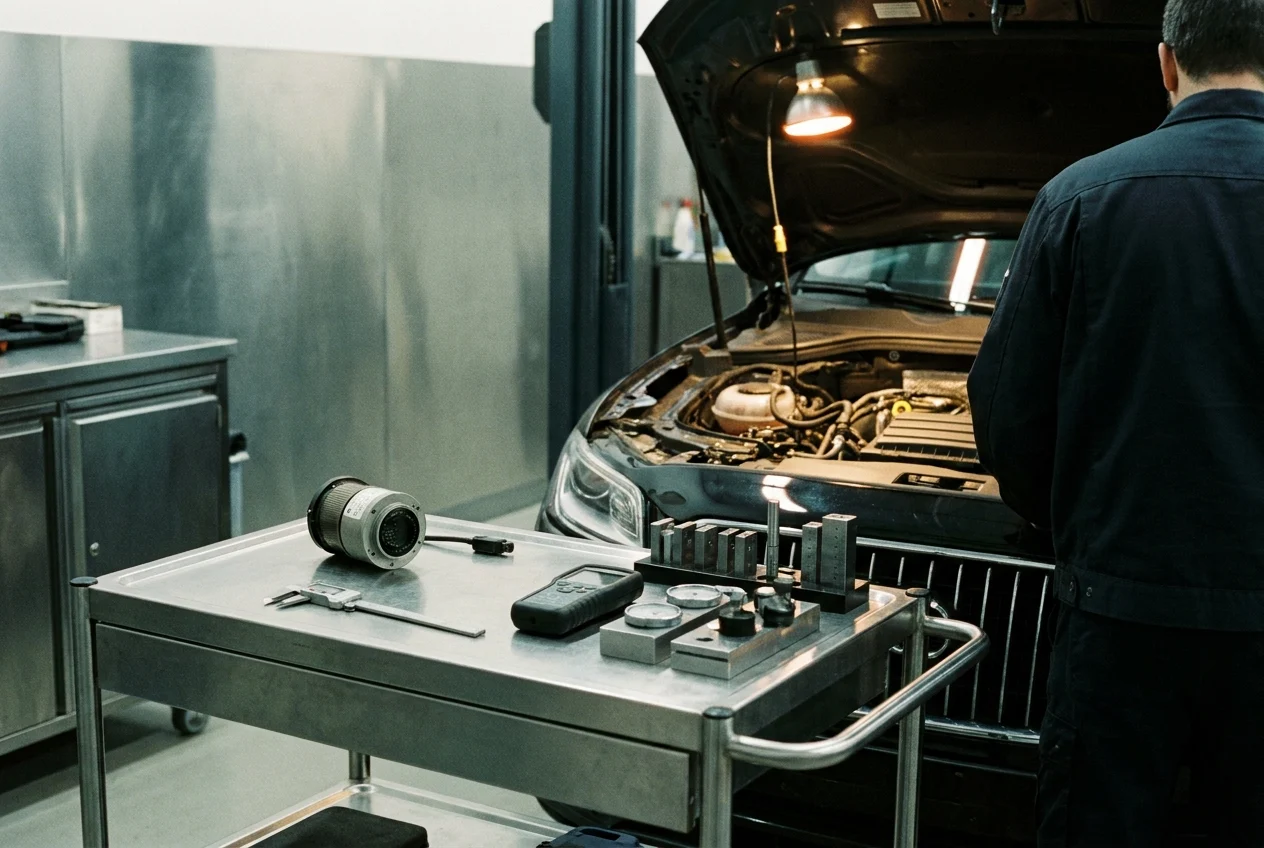
As vehicles become more technologically advanced, diagnostic techniques have evolved to keep pace with the complex systems found in modern cars. Today’s vehicles are equipped with a multitude of sensors and electronic control units (ECUs) that require specialized tools and techniques for accurate assessment. This has led to the development of more sophisticated diagnostic methods that provide deeper insights into vehicle performance and potential issues.
One such advanced technique is the use of telematics data. Many modern vehicles are equipped with telematics systems that monitor real-time data related to vehicle operation, location, and performance. This data can be accessed and analyzed by technicians to identify patterns or anomalies that may indicate underlying problems. Telematics data also allows for predictive maintenance, where potential issues are addressed before they become significant problems.
Utilizing AI and Machine Learning in Diagnostics
Artificial intelligence (AI) and machine learning are increasingly being integrated into diagnostic processes. These technologies can analyze vast amounts of data collected from various vehicle sensors to identify complex patterns that may be indicative of specific issues. By leveraging AI, diagnostic tools can provide more accurate predictions about potential failures and suggest targeted maintenance strategies.
Machine learning algorithms can also be used to continuously improve diagnostic accuracy. As more data is collected and analyzed, the system can learn from past assessments and refine its predictions, leading to more reliable diagnostic outcomes over time. This continuous learning process ensures that diagnostic tools remain effective as vehicle technology continues to evolve.
Environmental Considerations in Auto Body Diagnostics
Environmental factors can have a significant impact on the condition of a vehicle’s body and components. During a diagnostic assessment, technicians consider these external influences to provide a more comprehensive evaluation. For instance, vehicles in coastal areas may experience accelerated corrosion due to salt exposure, while those in colder climates may suffer from road salt damage during winter months.
Additionally, environmental regulations and standards play a role in shaping diagnostic practices. Technicians must ensure that assessments and repairs comply with emissions regulations and other environmental guidelines. This not only helps in maintaining the vehicle’s compliance with legal requirements but also contributes to reducing the overall environmental impact of automotive operations.
Eco-Friendly Diagnostic Practices
In response to growing environmental awareness, many diagnostic service providers are adopting eco-friendly practices. This includes the use of environmentally safe products for cleaning and repairing vehicles, as well as recycling materials whenever possible. Additionally, some centers are implementing energy-efficient technologies and processes to reduce their carbon footprint.
Vehicle owners can also contribute to eco-friendly practices by choosing service providers that prioritize sustainability. By supporting businesses that are committed to reducing their environmental impact, car owners can play a part in promoting a more sustainable automotive industry.

Future Trends in Auto Body Diagnostics
The field of auto body diagnostics is continually evolving, with new technologies and methodologies on the horizon. One such trend is the increasing use of augmented reality (AR) in diagnostic processes. AR can provide technicians with detailed overlays of vehicle systems, helping them identify issues more quickly and accurately.
Another emerging trend is the integration of cloud-based diagnostic platforms. These platforms can store and analyze data from multiple vehicles, enabling technicians to share insights and best practices across locations. This collaborative approach can lead to faster and more accurate diagnostics, benefiting both service providers and vehicle owners.
The Role of Continuous Education
As diagnostic technologies advance, continuous education becomes essential for technicians to stay current with the latest tools and techniques. Many service providers offer ongoing training programs to ensure their staff remains knowledgeable and competent. Vehicle owners can also benefit from staying informed about diagnostic advancements, as this knowledge can guide them in making better maintenance decisions.
In conclusion, the future of auto body diagnostics promises exciting advancements that will enhance the accuracy and efficiency of vehicle assessments. By embracing these trends and prioritizing continuous education, both technicians and vehicle owners can ensure that their vehicles remain in excellent condition, ready to tackle the challenges of modern driving.
For more information on the importance of regular vehicle maintenance, you can refer to the National Highway Traffic Safety Administration’s guidelines. Additionally, understanding the role of advanced diagnostic tools can further enhance your knowledge about the latest technologies in vehicle diagnostics.
Need help with What to Expect During a Comprehensive Auto Body Diagnostic Assessment?