In the world of automobile specialized repairs, few tasks demand the same level of artistry and precision as paint refinishing. This meticulous process not only restores the aesthetic appeal of a vehicle but also plays a crucial role in preserving its value and longevity. Understanding why paint refinishing requires a skilled touch can elevate your appreciation for this craft and ensure you make informed decisions about your vehicle’s maintenance.
While some might view paint refinishing as a purely aesthetic endeavor, it encompasses a range of technical skills that require experience and expertise. From color matching to the application of protective coatings, each step necessitates a precise approach to achieve professional results.
The Science Behind Paint Refinishing
At its core, paint refinishing is both an art and a science. This duality begins with the understanding of automotive paint technology. Automotive paints are complex chemical compositions designed to withstand environmental elements while providing a glossy finish. These paints often include resins, solvents, pigments, and additives, each serving a distinct purpose in the final appearance and durability of the paint job.
One of the key aspects of paint refinishing is understanding the different layers involved. Typically, an automotive paint job consists of a primer, base coat, and clear coat. The primer serves as a foundation, improving adhesion and corrosion resistance. The base coat provides the color and effects, while the clear coat adds gloss and protection. Each layer must be applied with precision to ensure a seamless finish.
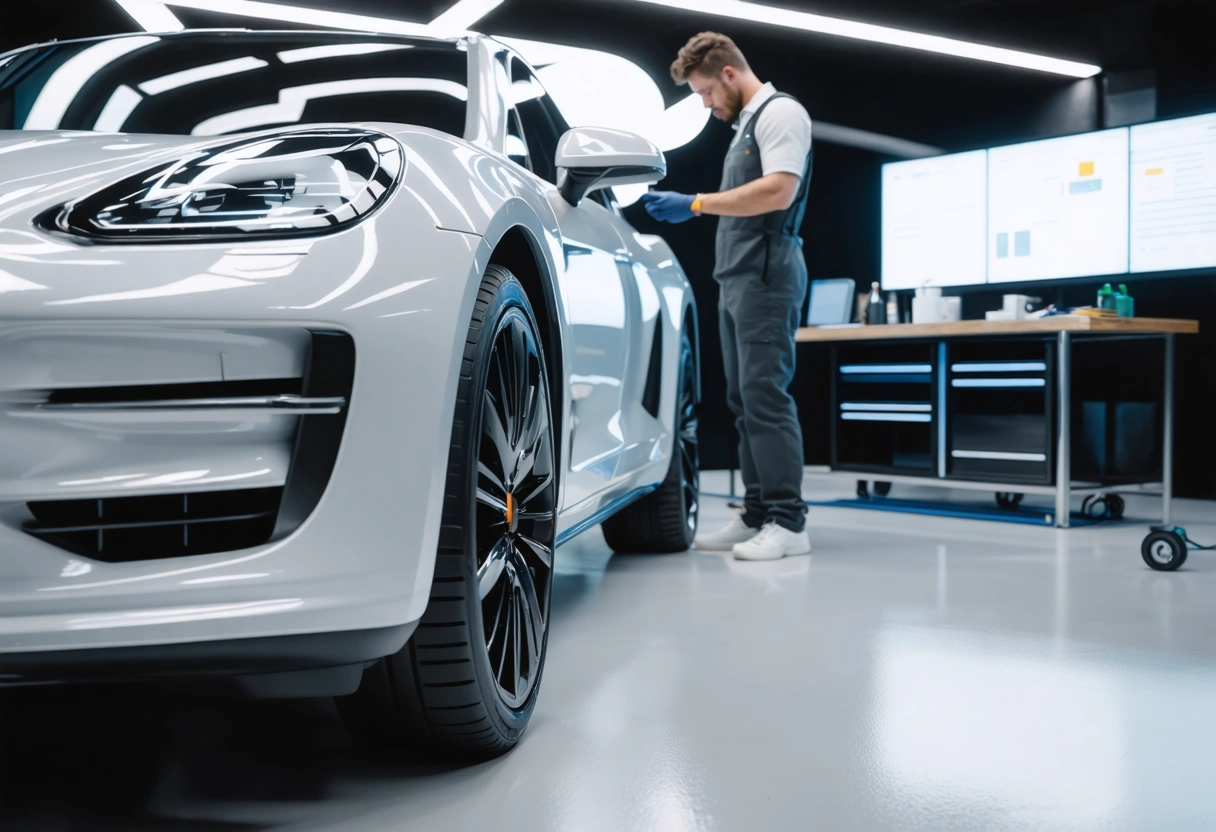
Furthermore, the curing process is pivotal in paint refinishing. Proper curing ensures the paint achieves its full hardness and durability. This stage requires controlled environmental conditions such as temperature and humidity, emphasizing the need for professional facilities equipped with the right tools and technology.
The Importance of Color Matching
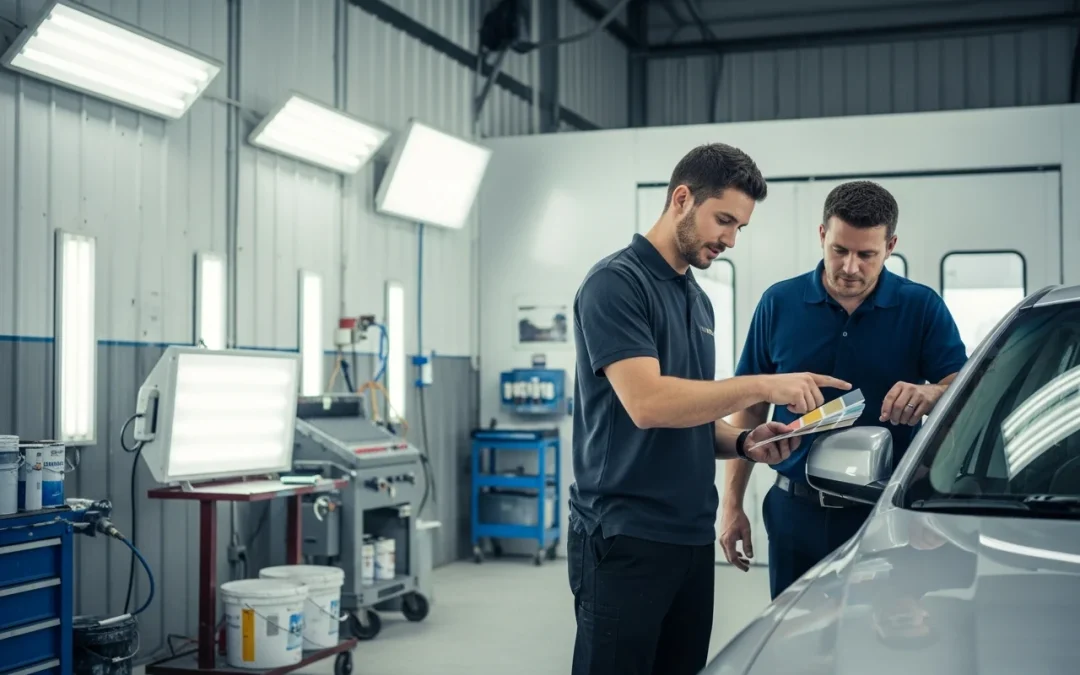
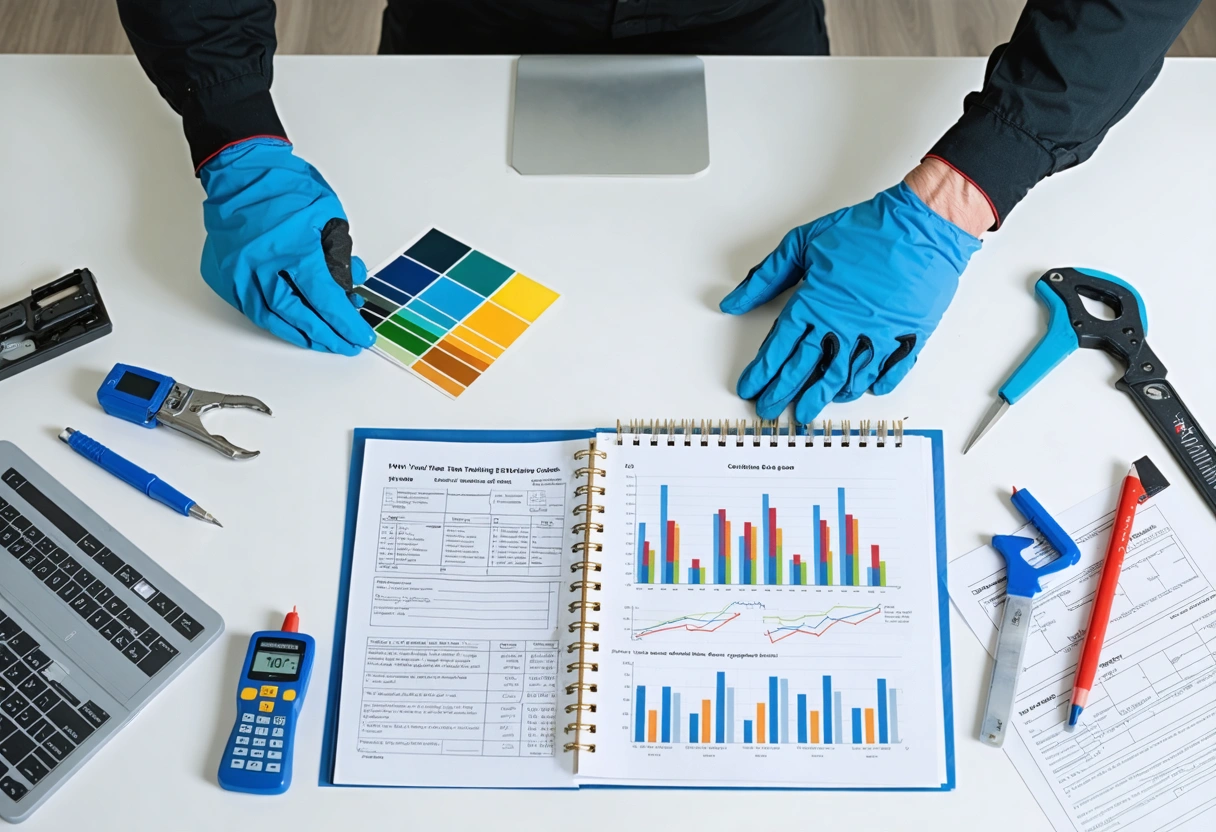
Color matching is arguably one of the most challenging yet essential components of paint refinishing. Achieving a perfect match with the existing paint on a vehicle is crucial for a seamless repair. This task is made more complex by the vast array of colors, shades, and finishes used by different manufacturers. Professional refinishers often rely on advanced color matching systems and spectrophotometers to ensure accuracy.
These systems analyze the color composition of the existing paint and provide a precise formula for mixing the new paint. However, technology alone is not sufficient. A skilled technician must possess an eye for detail to adjust the formula as needed, accounting for variables such as paint aging and environmental exposure. This expertise is vital in ensuring the repaired area blends flawlessly with the rest of the vehicle.
Surface Preparation: The Key to a Flawless Finish
Before any paint is applied, the surface of the vehicle must be meticulously prepared. This preparation involves cleaning, sanding, and sometimes repairing the underlying surface to create a smooth canvas for the new paint. Any imperfections left untreated can lead to issues such as uneven texture, poor adhesion, and premature paint failure.
Cleaning removes contaminants that could interfere with paint adhesion, while sanding smooths out surface irregularities. In some cases, technicians may need to fill dents or repair rust damage to ensure a uniform surface. Each step requires careful attention to detail, as even minor oversights can compromise the quality of the final finish.
Applying the Paint: Technique and Precision
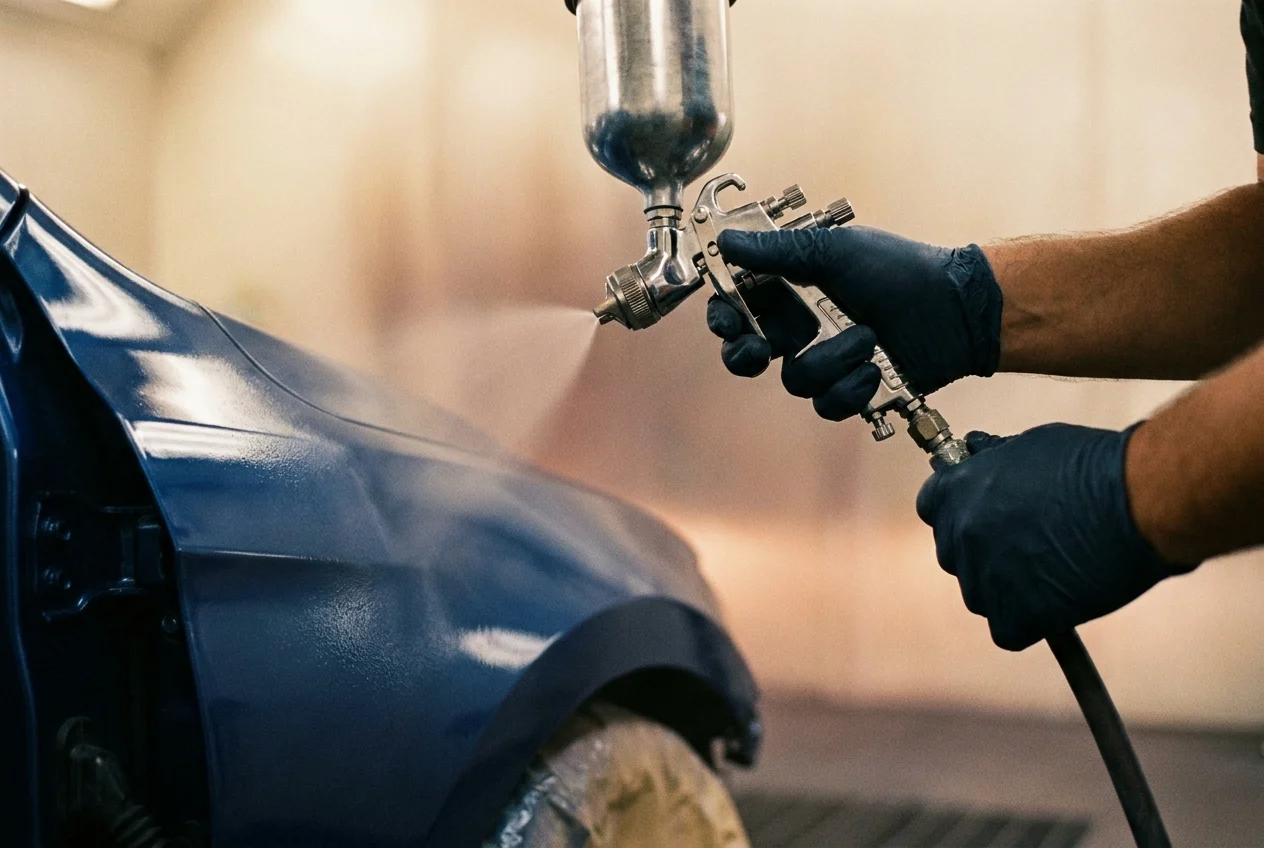
The application of paint is where the art of refinishing truly shines. Expert technicians use specialized spray guns to apply the paint evenly across the vehicle’s surface. The technique involves maintaining consistent speed, distance, and angle to ensure a uniform coat without runs or sags.
Multiple coats may be required to achieve the desired depth and richness of color. Between each coat, technicians must allow adequate drying time and may need to sand the surface lightly to enhance adhesion for the next layer. This process demands not only technical skill but also patience and precision.
Protective Coatings: Enhancing Durability and Longevity
Once the base color has been applied, a clear coat is used to seal and protect the paint. This layer provides a glossy finish and shields the paint from UV rays, chemicals, and physical damage. The clear coat must be applied with the same level of precision as the paint layers, ensuring even coverage and optimal thickness.
Technicians may also apply additional protective coatings, such as ceramic or polymer sealants, to further enhance durability and ease of maintenance. These coatings create a hydrophobic surface, reducing the accumulation of dirt and making it easier to clean the vehicle. Understanding the benefits and limitations of these coatings can help vehicle owners make informed decisions about their use.
The Role of Experience and Training
Given the complexity of the paint refinishing process, experience and training are indispensable. Skilled technicians undergo extensive training to develop the necessary expertise in color theory, chemical composition, and application techniques. This training is often supplemented by years of hands-on experience, allowing technicians to refine their skills and adapt to new technologies and methods.
Moreover, ongoing education is crucial in this field. Advances in automotive paint technology and repair techniques mean that technicians must stay updated to provide the best possible service. Reputable repair shops invest in continuous education, ensuring their team is well-versed in the latest industry standards and practices.
The Impact of Quality Paint Refinishing on Vehicle Value
While the aesthetic appeal of a flawless paint job is undeniable, the impact of quality paint refinishing extends beyond mere appearance. A professionally refinished vehicle can significantly enhance its resale value. Buyers are more likely to invest in a vehicle with a pristine finish, as it indicates the owner’s commitment to maintenance and care.
Additionally, a well-executed paint refinishing job can prevent further damage to the vehicle’s bodywork. By protecting against rust and corrosion, it preserves the structural integrity of the vehicle. This proactive approach can save vehicle owners considerable repair costs in the long run.
The Artistry and Necessity of Skilled Paint Refinishing
In conclusion, paint refinishing is a critical component of automobile specialized repairs that demands a skilled touch. From understanding the complexities of automotive paint to mastering the intricacies of application, each aspect of the process requires a high level of expertise. The artistry involved in achieving a flawless finish not only restores the vehicle’s aesthetic appeal but also plays a vital role in maintaining its value and longevity.
As vehicle owners, recognizing the importance of skilled paint refinishing can guide you in making informed decisions about your vehicle’s care. By entrusting your vehicle to experienced professionals, you ensure it receives the attention and precision it deserves, preserving its beauty and functionality for years to come.
Choosing the Right Paint Refinishing Professional
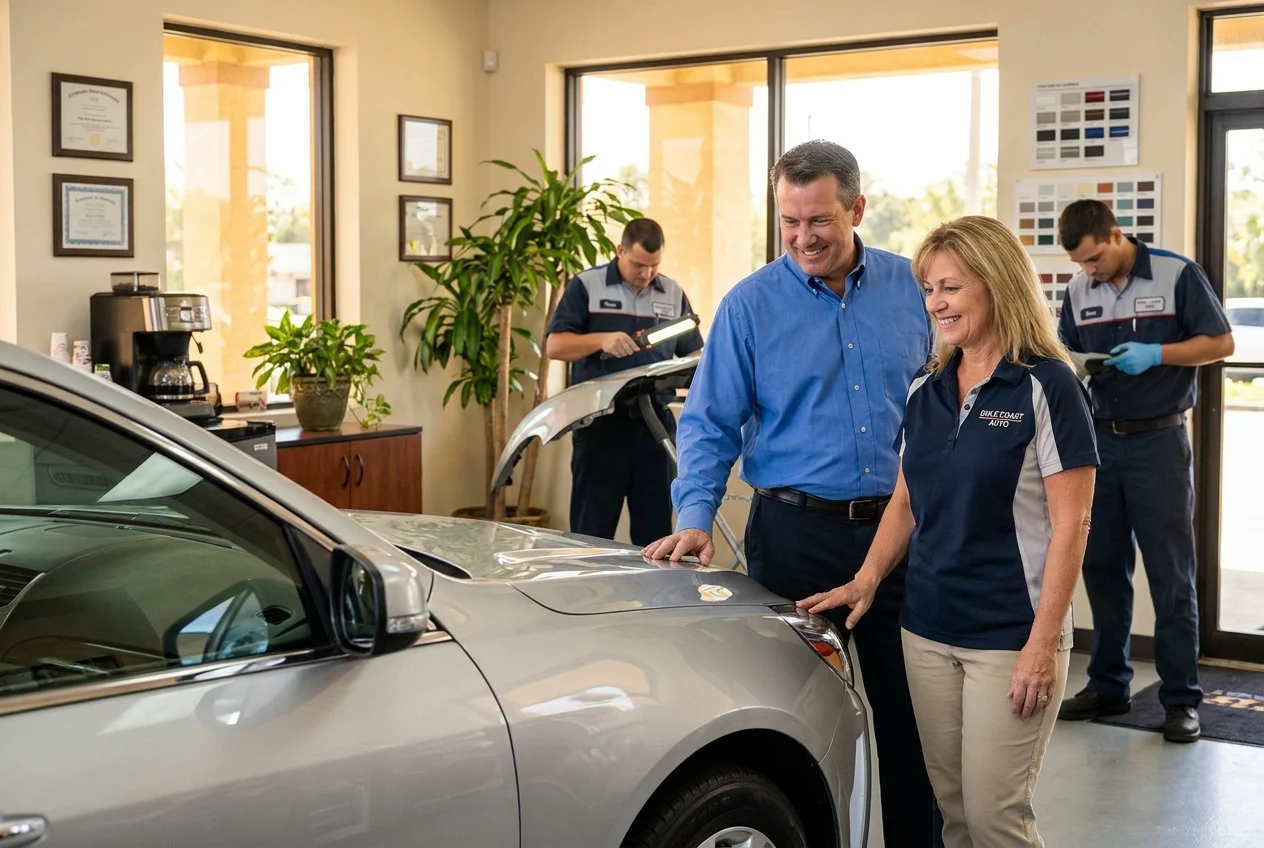
When it comes to selecting a paint refinishing professional, it is essential to consider several factors to ensure you receive high-quality service. Firstly, evaluate the reputation and experience of the repair shop. A well-established business with positive customer reviews is often a good indicator of reliable service. Additionally, inquire about the qualifications and certifications of the technicians. Certifications from recognized organizations demonstrate a commitment to maintaining industry standards and expertise.
Another crucial factor is the quality of the materials and equipment used. Reputable professionals invest in premium automotive paints and state-of-the-art technology to deliver optimal results. It’s worth asking about the brands and types of products they use, as these can significantly impact the outcome of the paint refinishing process. Furthermore, a professional repair shop should offer a warranty on their work, providing you with peace of mind and assurance of their confidence in their craftsmanship.
Trends and Innovations in Paint Refinishing
The field of paint refinishing continually evolves with advancements in technology and materials. One emerging trend is the use of environmentally friendly paints and processes. Traditional automotive paints contain volatile organic compounds (VOCs) that contribute to air pollution. In response, many professionals are adopting waterborne paints, which significantly reduce VOC emissions while still providing excellent durability and finish quality. These eco-friendly options not only benefit the environment but also improve air quality in the workplace.
Moreover, digital technology has revolutionized color matching, making it more precise and efficient than ever before. Advanced software and spectrophotometers allow technicians to achieve near-perfect matches, even for complex colors and finishes. This innovation reduces the time and material waste often associated with trial-and-error methods, streamlining the refinishing process and enhancing customer satisfaction.
The Future of Paint Refinishing
Looking ahead, the future of paint refinishing appears promising, with ongoing research and development aimed at improving techniques and materials. For instance, self-healing paints are gaining attention for their ability to repair minor scratches and blemishes autonomously. These paints incorporate special polymers that react to heat, allowing the surface to “heal” itself over time. While still in the early stages of development, self-healing paints could revolutionize the way we approach vehicle maintenance.
Another potential advancement is the integration of nanotechnology in paint formulations. Nano-coatings offer enhanced protection against UV rays, chemical exposure, and abrasion. By creating a more resilient surface, these coatings extend the lifespan of the paint job, offering long-term value to vehicle owners. As research in this area progresses, we can expect further breakthroughs that will continue to elevate the standards of paint refinishing.
DIY vs. Professional Paint Refinishing
While some car enthusiasts may be tempted to undertake paint refinishing as a DIY project, it is important to weigh the pros and cons carefully. DIY efforts can be rewarding for those with the necessary skills and experience. However, the complexity of the process and the need for specialized equipment often make professional services a more viable option for most vehicle owners.
Professionals possess the expertise to handle unforeseen challenges and ensure a high-quality finish. They also have access to professional-grade materials and facilities that are not easily replicated at home. Attempting a DIY paint refinishing job without adequate preparation and knowledge can lead to subpar results, potentially requiring costly corrections by a professional later on.
Ultimately, while DIY projects can be satisfying, entrusting your vehicle to a skilled paint refinishing professional is often the best choice to achieve a flawless finish and protect your investment.
Need help with The Art of Precision: Why Paint Refinishing Requires a Skilled Touch?