
Understanding the Role of Diagnostic Services in Collision Repair
The world of automobile repair is vast and complex, particularly when it comes to collision repair. As vehicles become more sophisticated with advanced electronics and intricate systems, the role of diagnostic services in collision repair has become crucial. These services not only ensure that vehicles are safely and efficiently restored to their pre-accident condition but also help in maintaining the longevity and performance of the vehicle.
Diagnostic services have evolved significantly over the years. Today, they encompass a wide array of technologies and methodologies that are essential for identifying issues that may not be visible to the naked eye. This blog post delves into the importance of diagnostic services in collision repair, exploring how they work, why they are necessary, and what the future holds for this critical aspect of automotive repair.
The Evolution of Vehicle Diagnostics
Vehicle diagnostics have come a long way from the mechanical inspections of the past. With the advent of onboard diagnostic (OBD) systems, the ability to diagnose vehicle issues has become more precise and comprehensive. Modern vehicles are equipped with a network of sensors and electronic systems that continuously monitor the health of the vehicle. These systems can detect a range of issues from engine malfunctions to problems with emissions and safety systems.
The evolution of diagnostic services has empowered repair technicians to pinpoint exact issues quickly. By using advanced diagnostic tools, technicians can access the vehicle’s computer systems to read error codes and gather data. This process saves time and reduces the likelihood of misdiagnosis, which can lead to costly and unnecessary repairs.
Importance of Diagnostic Services in Collision Repair
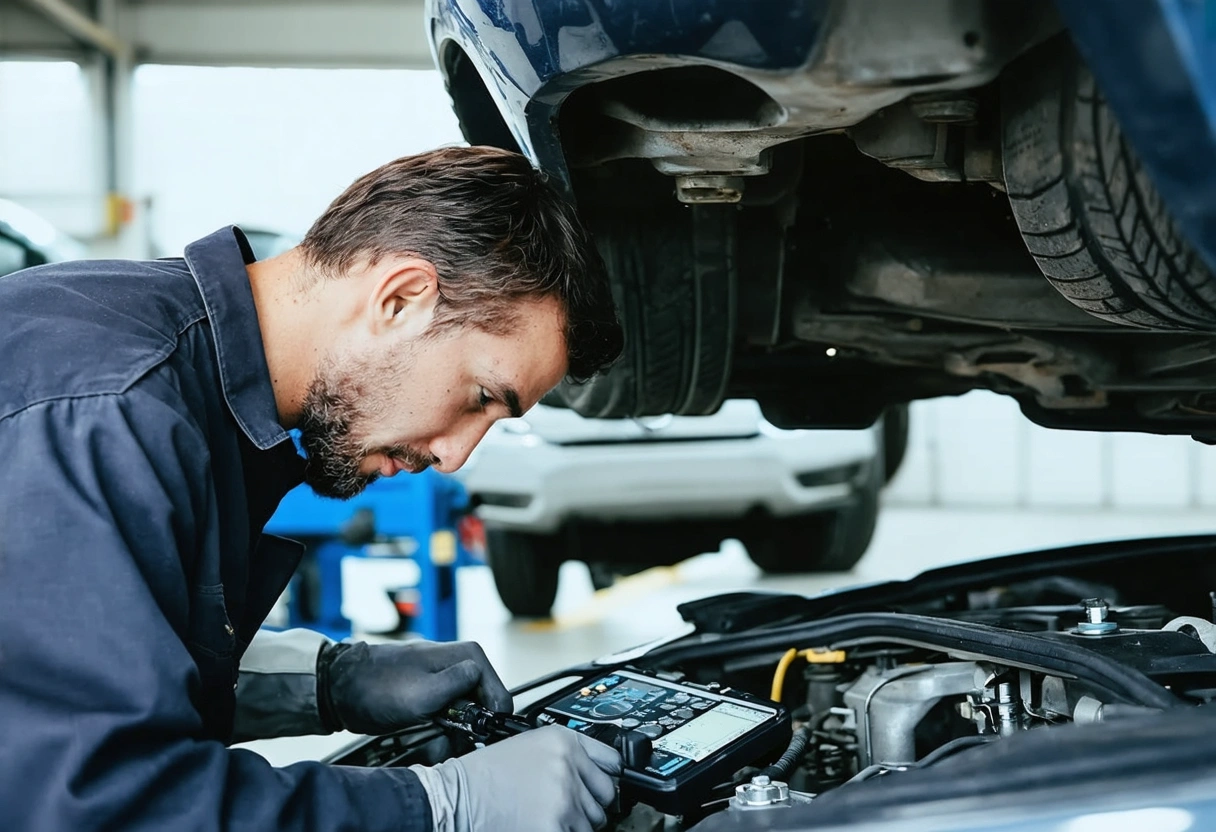
After a collision, a vehicle may suffer from hidden damages that are not immediately apparent. This is where diagnostic services play a critical role. They help in identifying underlying issues that could compromise the safety and functionality of the vehicle if left unchecked. For example, a seemingly minor collision could affect the vehicle’s alignment, sensor calibration, or even airbag systems, which are vital for the safety of the occupants.
Diagnostic services also aid in assessing the extent of damage accurately. This is especially important for insurance purposes, where a precise evaluation of the vehicle’s condition is necessary to process claims efficiently. By employing diagnostic services, repair shops can provide detailed reports that outline the damage and the required repairs, ensuring transparency and trust between the shop, the insurance company, and the vehicle owner.
How Diagnostic Services Work
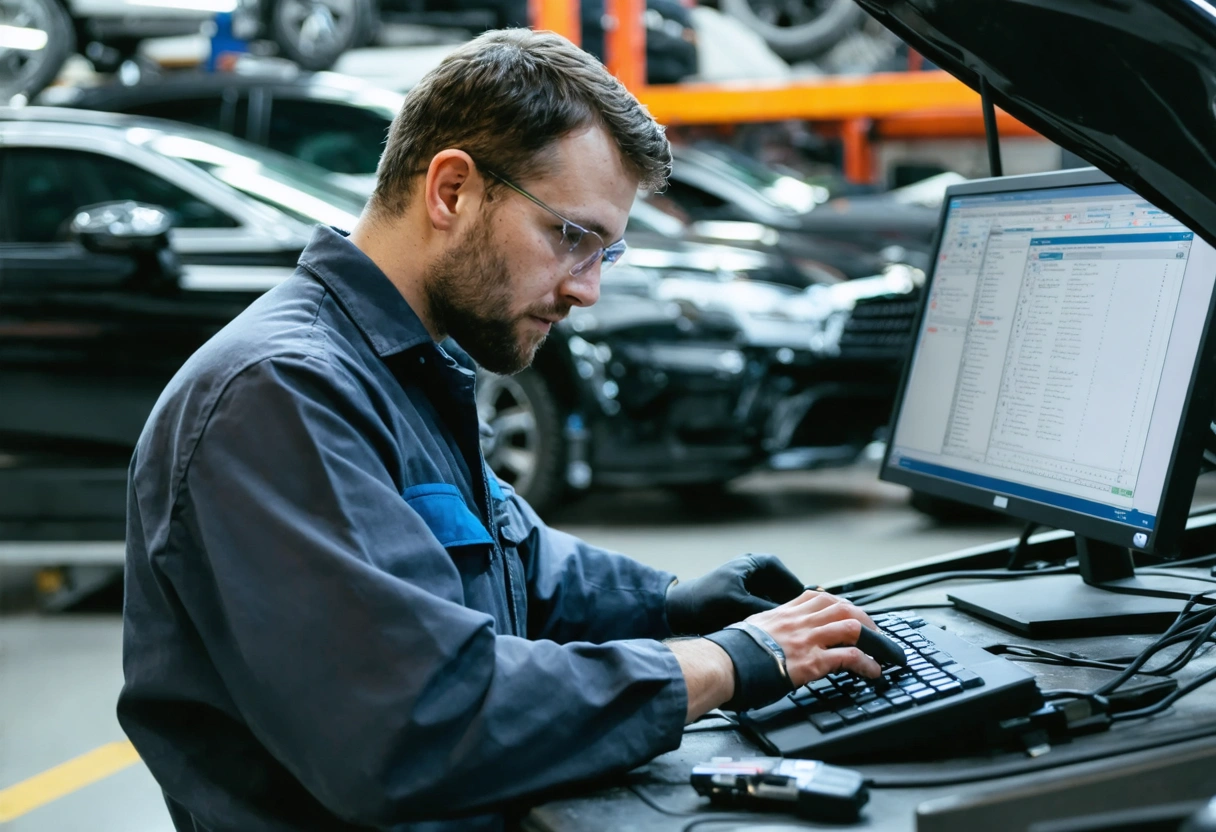
The process of diagnostic services involves several steps, beginning with a comprehensive scan of the vehicle’s systems. Technicians use specialized tools to connect to the vehicle’s OBD port, which allows them to access diagnostic trouble codes (DTCs). These codes provide insights into which systems are malfunctioning and why.
Once the DTCs are retrieved, technicians interpret the data to identify the root cause of the issue. This often involves cross-referencing the codes with the vehicle’s service history and conducting physical inspections to verify the findings. In some cases, technicians may need to perform additional tests, such as checking the vehicle’s electrical systems or conducting a road test to replicate the issue.
Advanced diagnostic tools also allow technicians to reset systems, update software, and even reprogram certain components. This capability is crucial for ensuring that all systems are functioning correctly after repairs are completed. For more detailed information on modern diagnostic tools, you can check out this comprehensive guide on OBD2 scanners.
Common Diagnostic Tools and Technologies
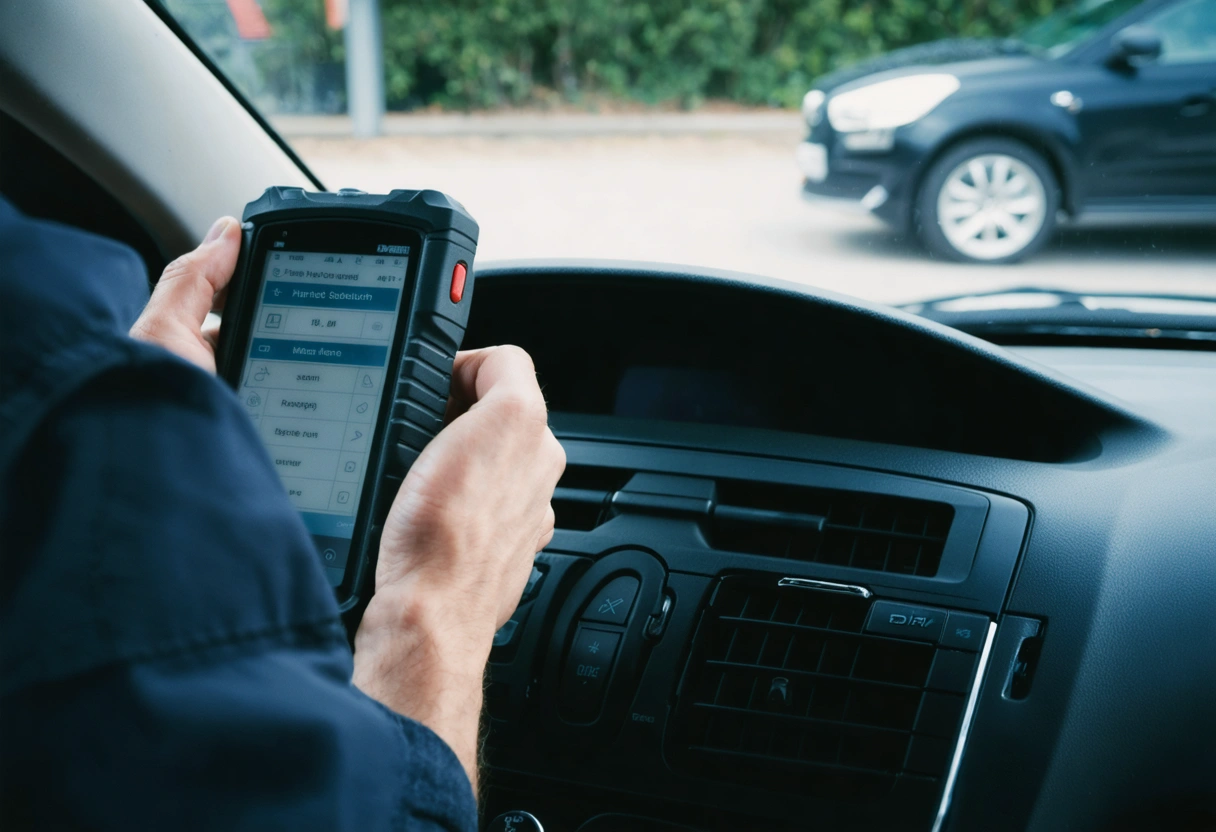
There are several diagnostic tools and technologies used in collision repair. Some of the most common include:
- OBD-II Scanners: These are essential for retrieving diagnostic trouble codes from the vehicle’s computer systems. They provide a starting point for diagnosing issues after a collision.
- Diagnostic Software: Many repair shops use specialized software that allows technicians to access vehicle data, run tests, and perform system resets. This software often includes extensive databases of vehicle-specific information, making it easier to diagnose and repair issues.
- Multi-Tester Tools: These tools are used to test various electrical components, such as batteries, alternators, and sensors. They are essential for ensuring that all electrical systems are functioning correctly.
- Calibration Tools: After a collision, certain systems, like cameras and sensors, may need recalibration. Calibration tools ensure that these systems are aligned correctly and functioning as intended.
For a deeper understanding of vehicle diagnostic tools, consider exploring this detailed article on automotive scanners.
The Role of Technicians in Diagnostic Services
While diagnostic tools are vital, the expertise of skilled technicians is equally important in collision repair. Technicians must be able to interpret diagnostic data accurately, understand the intricacies of various vehicle systems, and apply their knowledge to perform effective repairs. This requires continuous training and staying up-to-date with the latest technological advancements in the automotive industry.
Many repair shops invest in training programs to ensure that their technicians are equipped with the necessary skills and knowledge. This investment pays off by enhancing the quality of repairs and ensuring customer satisfaction. A well-trained technician can make a significant difference in the outcome of collision repairs, as they are better equipped to handle complex issues that may arise.
Future Trends in Diagnostic Services
The field of diagnostic services is continuously evolving, with new technologies and methodologies emerging regularly. One of the most promising trends is the integration of artificial intelligence (AI) into diagnostic systems. AI has the potential to enhance diagnostic accuracy by analyzing vast amounts of data and identifying patterns that may not be apparent to human technicians.
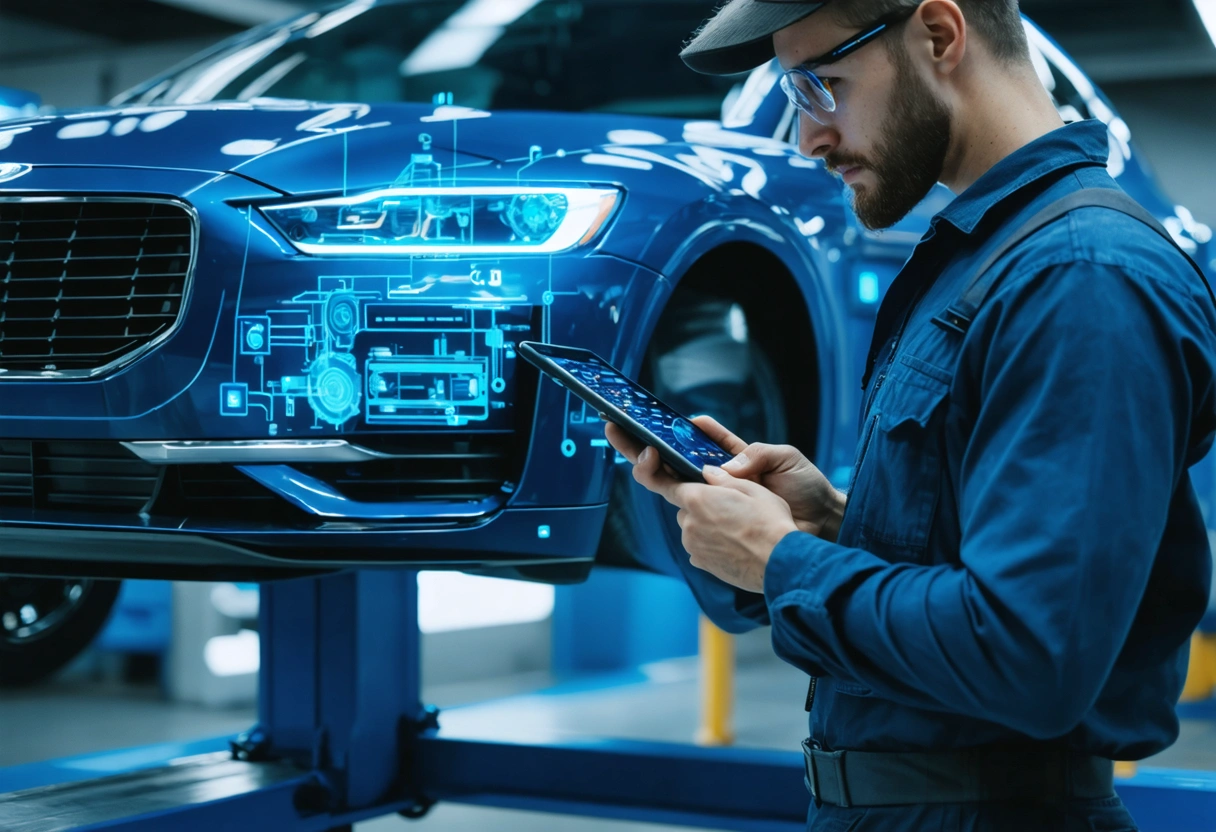
Additionally, the rise of connected vehicles and the Internet of Things (IoT) is paving the way for remote diagnostics. This technology allows technicians to access a vehicle’s diagnostic data remotely, enabling faster and more efficient troubleshooting. For insights into the future of automotive technology, you can explore this informative article on automotive trends.
Takeaways
In conclusion, diagnostic services are a cornerstone of modern collision repair. They provide the insights necessary to ensure that vehicles are restored to their pre-accident condition safely and efficiently. As vehicles become more complex, the role of diagnostics will only continue to grow in importance.
By understanding the intricacies of diagnostic services and investing in the right tools and training, repair shops can offer high-quality repairs that meet the expectations of their customers. As technology continues to evolve, the future of diagnostic services looks promising, with advancements that will further enhance the precision and efficiency of collision repair processes. For further reading on the importance of vehicle diagnostics, visit this detailed page on vehicle diagnostics.
Challenges in Diagnostic Services
Despite the advancements in diagnostic services, there are several challenges that the industry faces. One significant challenge is the rapid pace of technological change. As vehicle manufacturers continue to innovate, repair shops must constantly update their diagnostic tools and software to stay compatible with the latest models. This can be a costly and time-consuming endeavor, especially for smaller shops with limited resources.
Another challenge is the increasing complexity of vehicle systems. With the integration of advanced driver-assistance systems (ADAS), hybrid and electric powertrains, and other cutting-edge technologies, diagnosing issues has become more intricate. Technicians need to possess a broad and deep understanding of these systems, which requires continuous education and training.
Additionally, the proprietary nature of many diagnostic tools and software poses a barrier. Manufacturers may restrict access to certain data or require specialized equipment that is exclusive to their brand. This can limit the ability of independent repair shops to compete with dealership service centers, potentially affecting the availability and affordability of repair services for consumers.
Best Practices for Effective Diagnostic Services
For repair shops aiming to excel in diagnostic services, adopting best practices is essential. First and foremost, investing in high-quality diagnostic tools and regularly updating them is critical. This ensures that technicians have access to the latest technology and data, enabling them to diagnose and repair issues accurately and efficiently.
Moreover, fostering a culture of continuous learning within the organization is vital. Encouraging technicians to attend workshops, webinars, and certification programs helps them stay informed about the latest industry trends and technological advancements. This investment in knowledge not only enhances the quality of service but also boosts employee morale and job satisfaction.
Another best practice is to cultivate strong relationships with vehicle manufacturers and other industry stakeholders. This can provide access to valuable resources, technical support, and training opportunities. By staying connected with the broader automotive community, repair shops can remain at the forefront of industry developments and deliver exceptional service to their customers.
The Impact of Diagnostic Services on Customer Experience

Diagnostic services play a significant role in shaping the overall customer experience in collision repair. When diagnostic processes are executed proficiently, they can lead to faster repair times, increased accuracy, and ultimately, higher customer satisfaction. Clear communication about diagnostic findings and repair plans helps build trust with customers, as they feel informed and confident in the service provided.
Furthermore, offering transparent and detailed reports on diagnostic results can enhance the customer experience. These reports should clearly explain the issues identified, the proposed repairs, and the associated costs. By providing this level of transparency, repair shops can foster a sense of trust and confidence, which is crucial for retaining customers and attracting new ones.
In an industry where reputation is paramount, prioritizing customer service alongside technical excellence can differentiate a repair shop from its competitors. For insights into improving customer experience, you might find this article on enhancing customer service experience informative.
The Road Ahead for Diagnostic Services
As the automotive industry continues to evolve, the importance of diagnostic services in collision repair cannot be overstated. These services are integral to ensuring that vehicles are repaired to the highest standards of safety and performance. While challenges such as technological complexity and proprietary restrictions exist, they can be overcome with strategic investments in tools, training, and industry collaboration.
Looking ahead, the role of diagnostics is set to expand further with the integration of technologies such as AI and IoT. These advancements promise to enhance the precision and efficiency of diagnostic processes, further improving the quality of collision repair services. As repair shops adapt to these changes, they will be well-positioned to meet the demands of modern vehicle owners and continue delivering exceptional service.
Ultimately, the future of diagnostic services in collision repair is bright, offering opportunities for innovation and growth. By embracing these opportunities, repair shops can ensure that they remain at the forefront of the industry, providing value and peace of mind to their customers. For more information on the future of diagnostics, you can explore this resource on IoT diagnostics.
Need help with Understanding the Role of Diagnostic Services in Collision Repair?