A flawless finish does more than make a vehicle look new again. After a collision, the paint system protects metal, seals repaired panels, preserves resale value, and restores the confidence you feel every time you walk up to your car.
Professional paint refinishing is a blend of science, craftsmanship, color theory, surface preparation, and disciplined process control. When each step is handled correctly, the repaired area does not just look good under shop lights. It looks right in sunlight, shade, rain, and everyday driving conditions.
Why a Quality Refinish Matters After Collision Damage
Modern automotive paint is not a single layer of color sprayed over metal. It is a complete coating system that may include corrosion protection, primer, sealer, basecoat, pearl or metallic effects, tinted mid-coats, and clearcoat. Each layer has a specific job, and each must bond properly to the layer beneath it. If one step is rushed, the result can show up later as peeling, staining, dullness, color mismatch, edge mapping, or premature rust.
After a collision, panels are often bent, scratched, welded, replaced, sanded, and reshaped. Even minor impacts can crack clearcoat, expose substrate, or disturb factory corrosion protection. Paint refinishing restores the appearance of the vehicle, but it also rebuilds the protective barrier that keeps moisture, road salt, ultraviolet light, and contaminants away from vulnerable materials.
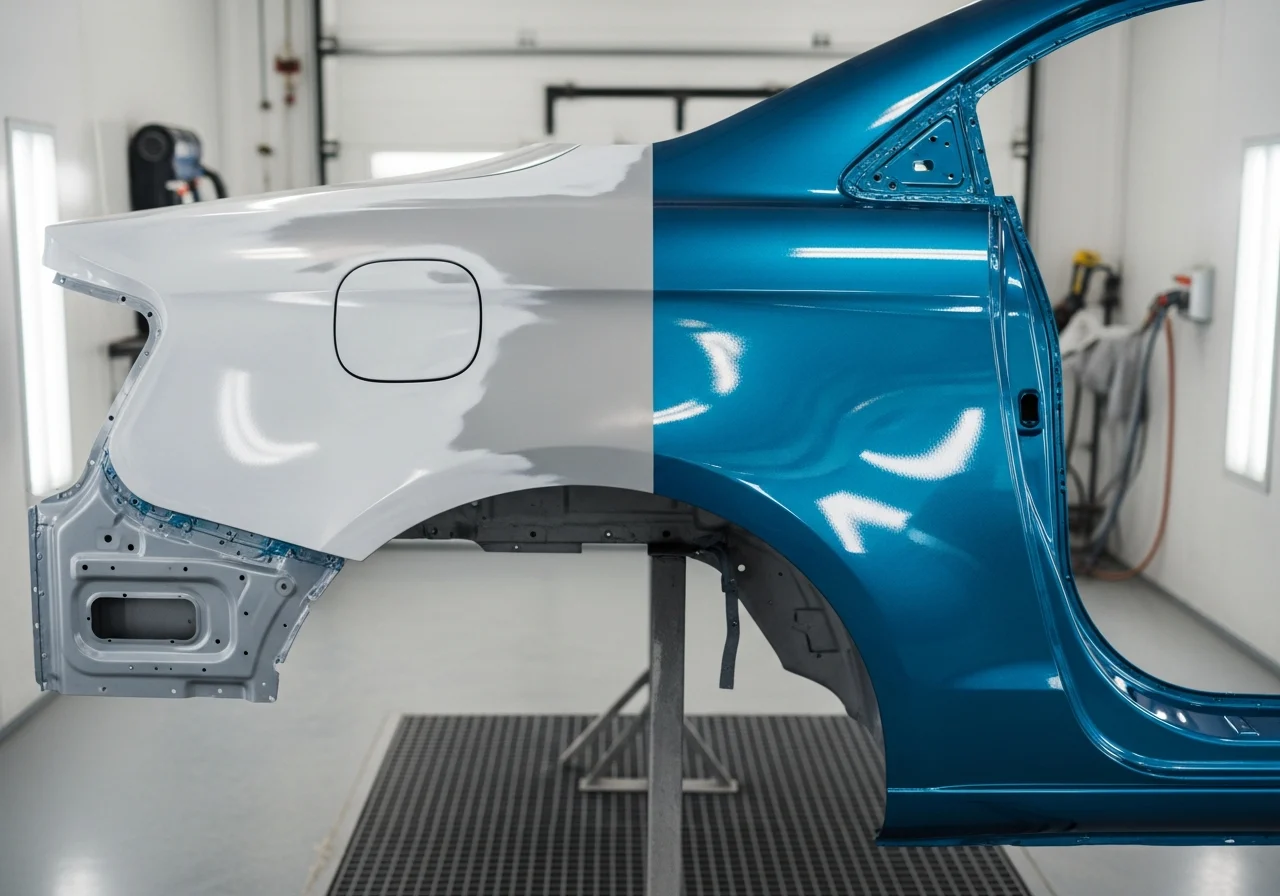
The difference between an average refinish and a professional one is often seen in the details. The way the surface is cleaned, the type of primer selected, the sanding grit sequence, the spray technique, the flash time between coats, and the final polishing process all influence the outcome. A great refinish should make the repaired area disappear into the rest of the vehicle.
The Inspection Process: Finding More Than the Obvious Damage
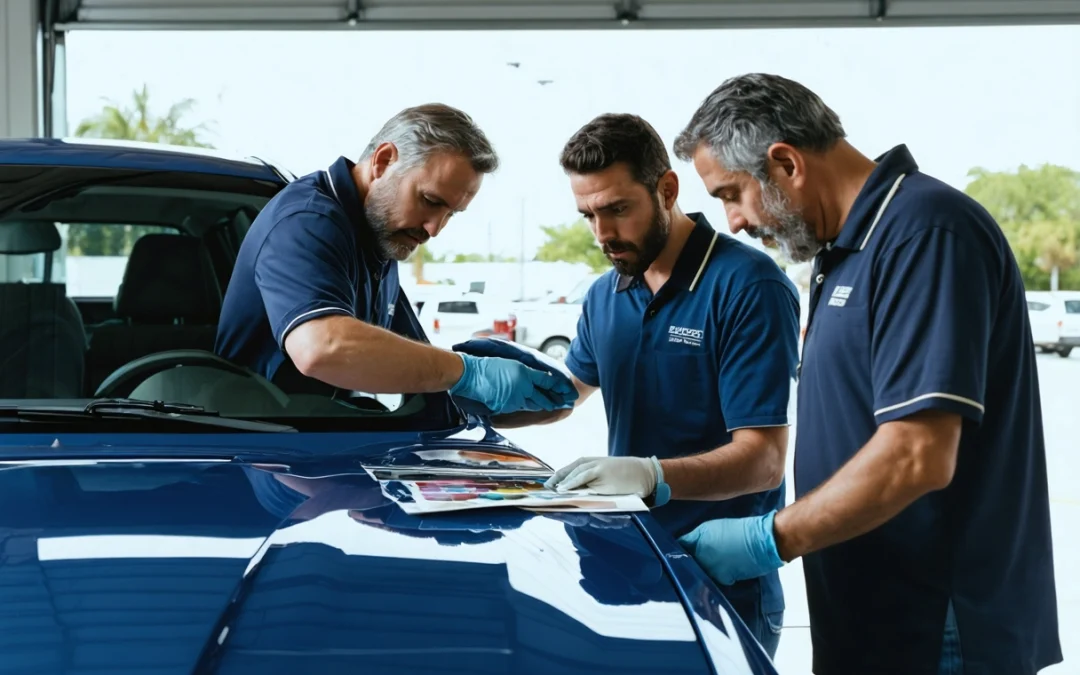
Paint refinishing begins long before a spray gun is picked up. A thorough inspection identifies visible paint damage, hidden substrate problems, adjacent panel blending needs, previous repair work, rust, stone chips, and texture differences. Technicians look at the vehicle from multiple angles because reflections often reveal waves, dents, scratches, and body line distortions that are easy to miss straight on.
Lighting is a major part of this evaluation. Natural daylight, color-corrected shop lighting, and reflection boards can reveal different defects. A panel that appears smooth in dim lighting may show sanding scratches or uneven repair contours under stronger illumination. This is why professional collision repair facilities rely on controlled inspection methods rather than quick visual guesses.
The inspection also helps determine whether a panel can be repaired and refinished or should be replaced. For example, a shallow scratch in the clearcoat may require only localized refinishing and polishing, while a deep gouge through primer and into metal requires corrosion treatment and a complete coating rebuild. Aluminum, plastic, steel, and composite panels may also require different preparation steps and products.
Surface Preparation: The Foundation of Every Beautiful Finish
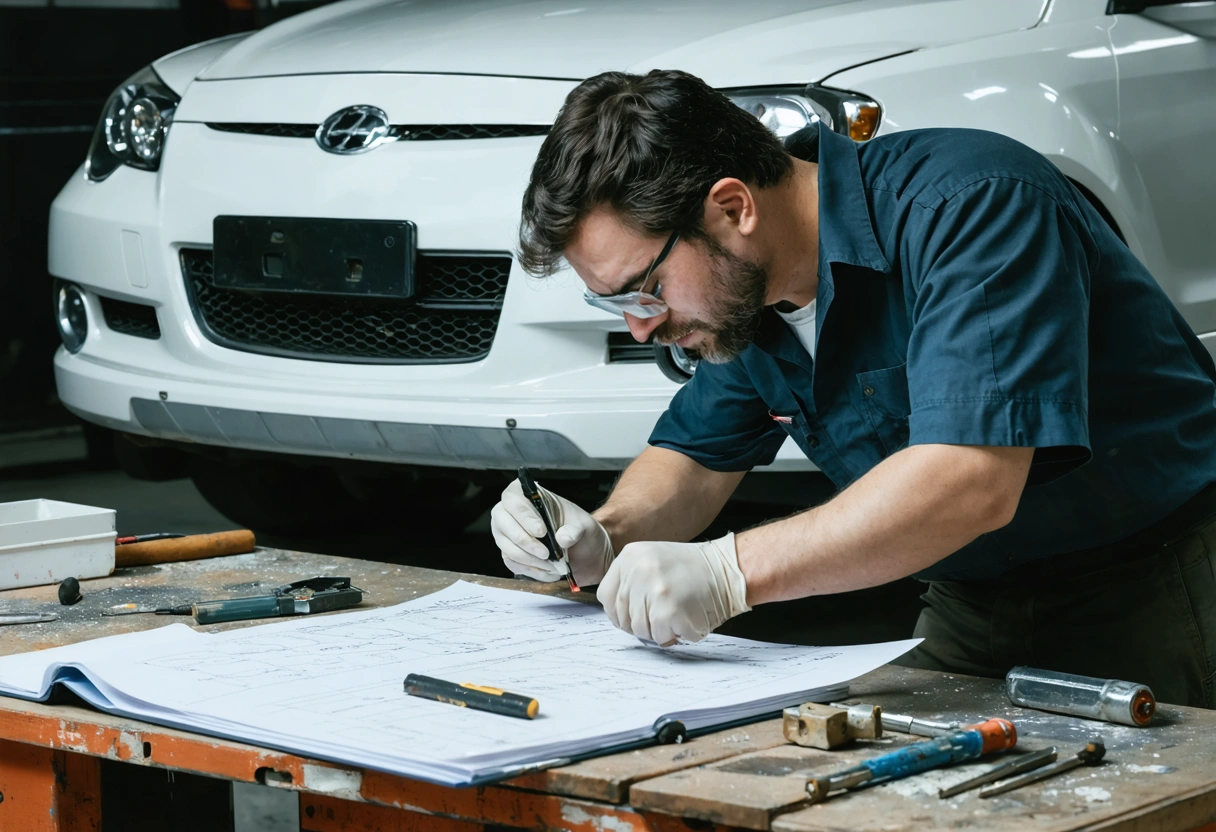
Surface preparation is the stage that separates lasting refinishing work from cosmetic cover-ups. Paint cannot perform well if it is applied over wax, silicone, road film, moisture, rust, old failing coatings, or improperly sanded surfaces. Professional technicians use dedicated cleaners, abrasives, and procedures to create a clean and stable foundation for the new coating system.
Sanding is not simply about making a surface feel smooth. Different grits create different scratch patterns, and coatings need the correct surface profile for adhesion. Too coarse, and sanding scratches may appear through the finished paint. Too fine, and the coating may not grip properly. Skilled refinishers use a planned progression, feathering damaged edges and leveling repaired areas without removing unnecessary material from surrounding panels.
When bare metal is exposed, corrosion protection becomes critical. Depending on the repair, technicians may use epoxy primer, self-etching products, or manufacturer-approved corrosion-resistant coatings. On plastic bumper covers and flexible parts, adhesion promoters and flexible refinishing materials may be required. Skipping these material-specific steps can lead to cracking, lifting, or peeling after the vehicle returns to daily use.
Color Matching: Where Technology and the Human Eye Work Together
Matching automotive paint is more complex than finding a paint code. The paint code provides a formula family, but factory variations, production batches, sun fading, maintenance history, panel material, and previous repairs can all shift the visible color. Two vehicles with the same code can look noticeably different when parked side by side.
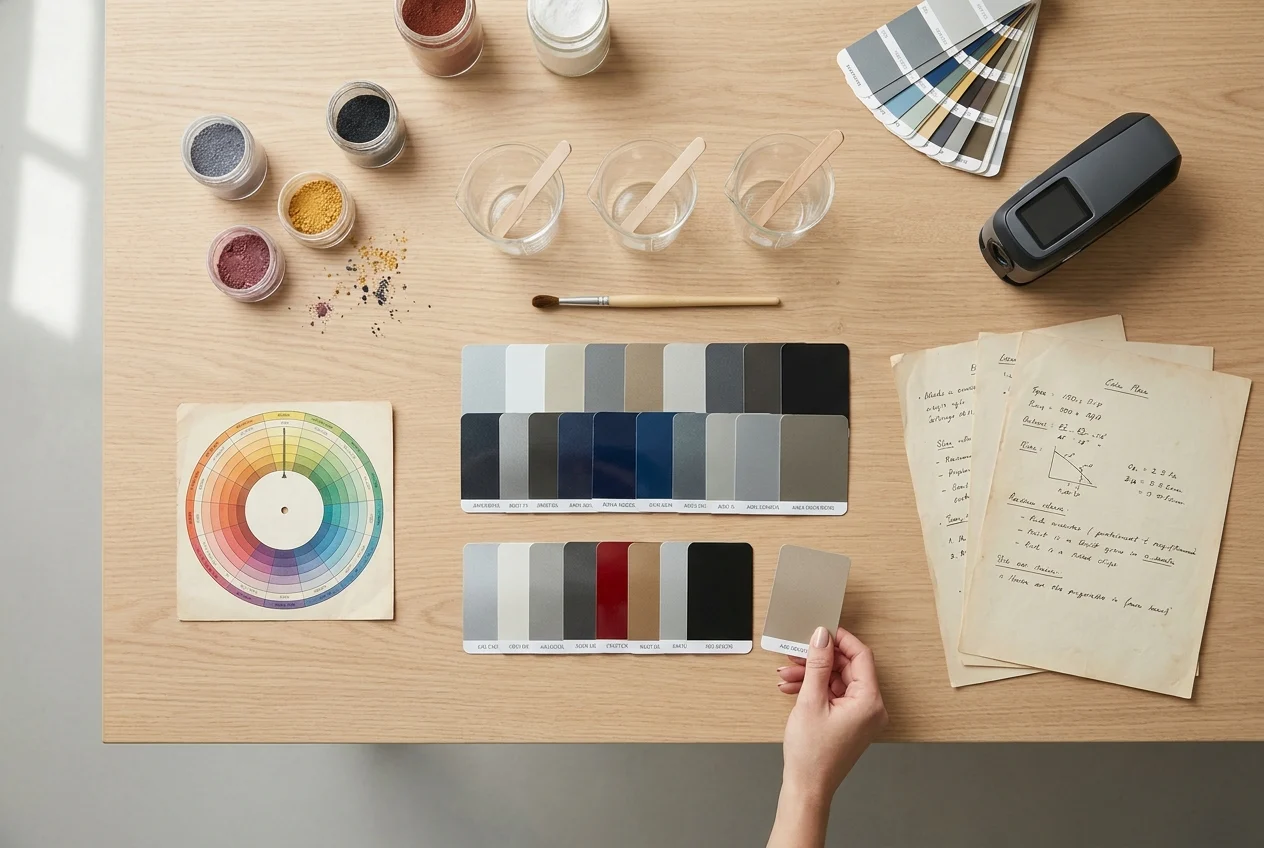
Professional refinishers use color databases, spray-out cards, variant decks, and often spectrophotometer readings to narrow the match. A spectrophotometer measures how light reflects from the existing finish and helps identify the closest formula variant. However, technology does not replace judgment. A trained painter still evaluates hue, value, chroma, metallic orientation, pearl effect, and how the color changes at different viewing angles.
Metallic and pearl colors demand particular skill. Metallic flakes must lay in a consistent pattern, and the painter’s gun distance, air pressure, overlap, reducer choice, and spray speed can change how light reflects from the surface. Pearl tri-coats add another level of complexity because the mid-coat controls depth and color travel. One extra pass can make the repaired area too warm, too light, or too saturated.
For this reason, blending is often necessary. Instead of stopping color abruptly at the edge of the damaged panel, technicians gradually blend the basecoat into adjacent panels so the eye cannot detect a transition. Clearcoat is then applied over the full refinished area according to manufacturer and paint system guidelines, creating a continuous gloss and protective surface.
Inside the Paint Booth: Cleanliness, Control, and Consistency
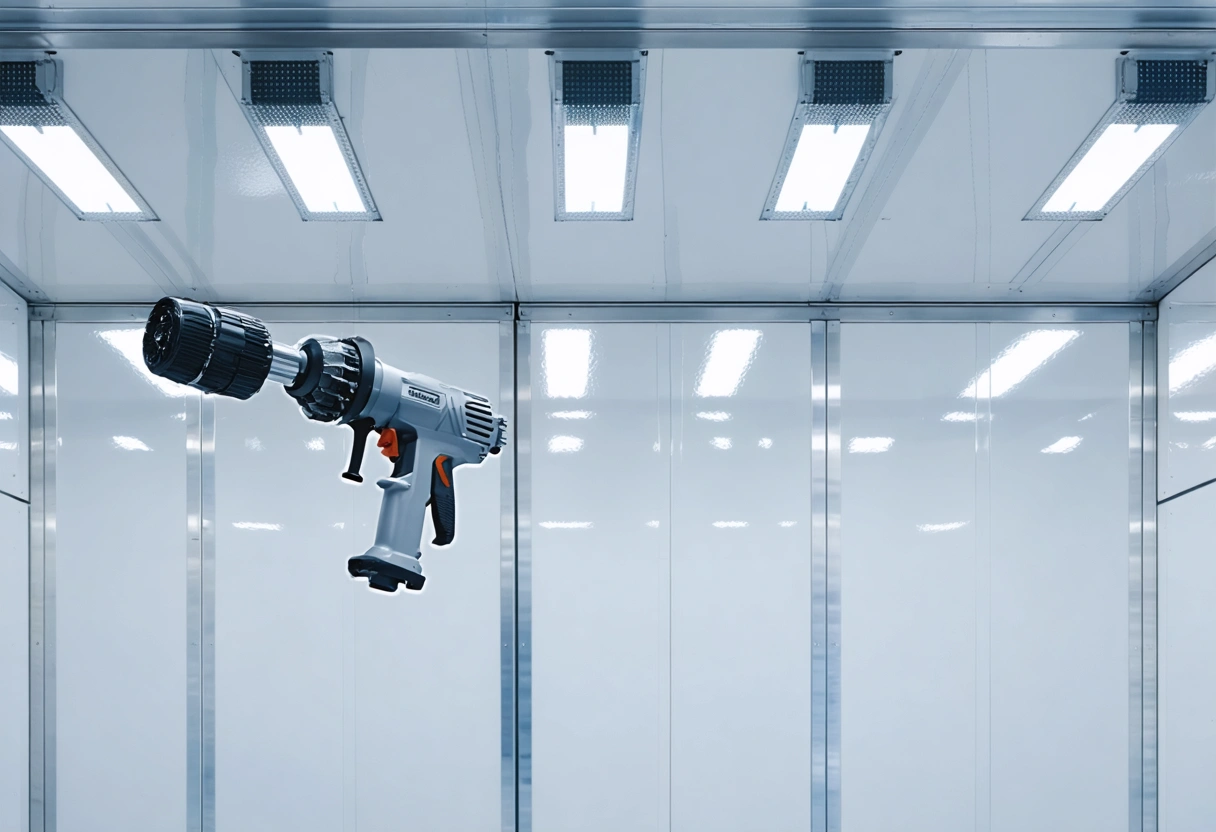
A professional paint booth is designed to control airflow, dust, temperature, humidity, and overspray. These conditions matter because airborne particles, moisture, and unstable temperatures can affect how coatings atomize, flow, flash, and cure. Even a tiny piece of lint can become visible in a glossy clearcoat if it lands at the wrong moment.
Booth airflow helps move overspray away from the vehicle and supports a cleaner finish. Temperature control helps paint materials behave as intended. If conditions are too cold, coatings may not flow or cure properly. If conditions are too hot, solvents may evaporate too quickly, causing dry spray, texture problems, or poor leveling. Humidity can also influence waterborne and solvent-borne systems in different ways.
Safety and environmental responsibility are also part of professional refinishing. Automotive coatings can contain solvents and reactive chemicals that require proper ventilation, protective equipment, storage, and waste handling. Reputable shops follow procedures aligned with resources such as OSHA spray finishing standards and current coating manufacturer requirements.
Modern refinishing is also affected by air quality regulations and best practices for reducing emissions. Waterborne basecoats, high-transfer spray equipment, and controlled mixing practices help reduce waste while improving consistency. Guidance such as the EPA guidance for auto body shops supports cleaner, safer, and more responsible refinishing operations.
Primer, Sealer, Basecoat, and Clearcoat: What Each Layer Does
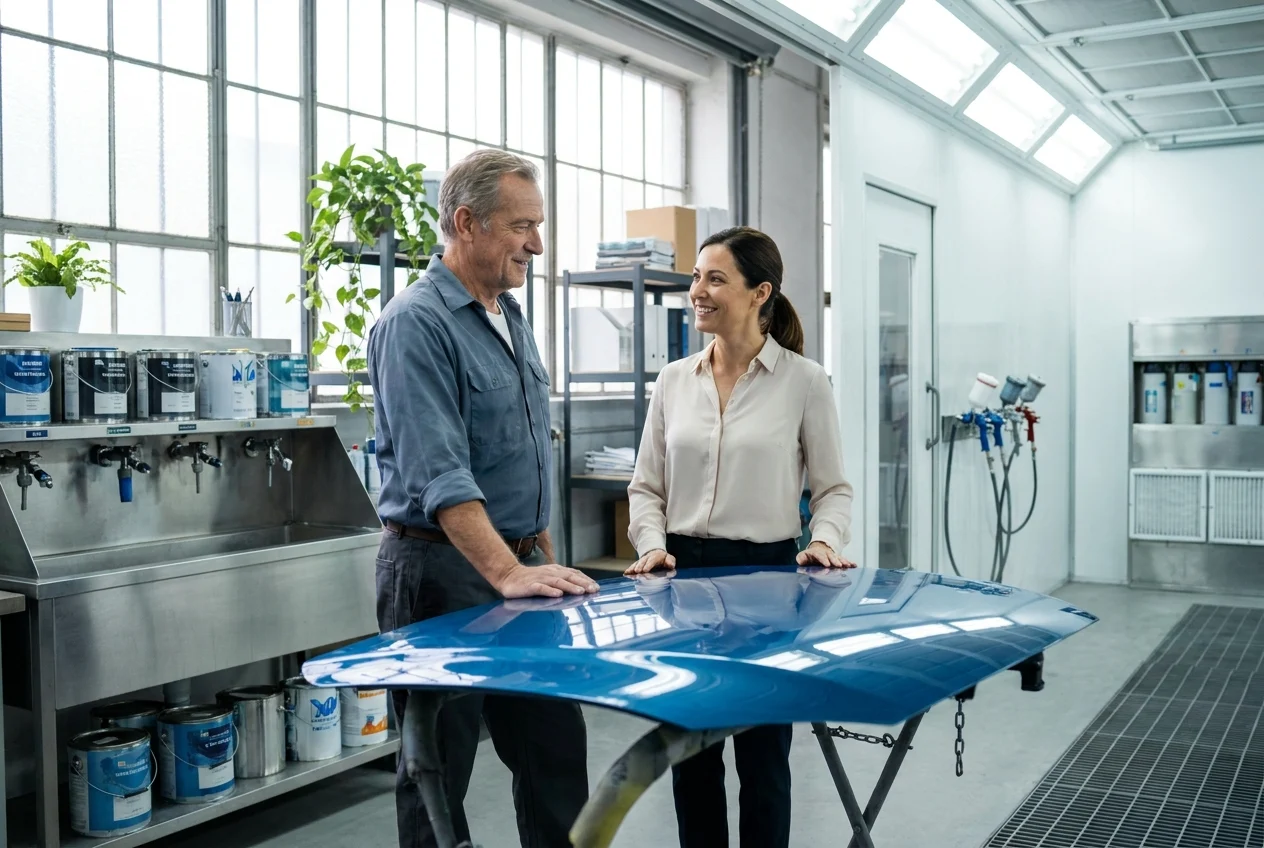
Each coating layer has a purpose, and the final result depends on how those layers work together. Primer surfacer fills minor imperfections and provides a sandable layer that helps create a level surface. Epoxy or corrosion-resistant primers can help protect exposed metal. Sealers create uniform color holdout and improve the consistency of the basecoat, especially when repaired areas include different substrates or primer shades.
Basecoat provides the visible color and effects. In a standard two-stage system, the basecoat is followed by clearcoat. In tri-coat systems, a ground coat is followed by a translucent mid-coat that may contain pearl or tint, then clearcoat. Some specialty finishes use even more complex layering, making documentation and spray-out testing extremely important.
Clearcoat provides gloss, depth, ultraviolet protection, chemical resistance, and durability. It is also the layer that gets polished during final finishing. Applying clearcoat correctly requires attention to film build. Too little clear can reduce durability and leave insufficient material for polishing. Too much can create solvent trapping, runs, or curing problems. The goal is
Need help with Mastering the Art of Paint Refinishing: How We Restore Your Car’s Beauty?