

Many major auto body problems begin with small changes that are easy to overlook. A slight pull in the steering, a new vibration, uneven tire wear, or a warning light that appears briefly can all point to issues that may affect the vehicle’s structure, safety systems, or exterior condition over time.
Regular diagnostic checks give drivers and technicians a clearer picture of what is happening beneath the surface. By identifying concerns early, diagnostic support services can help reduce repair costs, protect vehicle value, and prevent minor damage from turning into extensive auto body work.
Small Warning Signs That Can Lead to Costly Body Damage
Auto body repairs are often associated with collisions, dents, scratches, and visible exterior damage. However, many body related issues can develop because of mechanical, alignment, suspension, or sensor problems that are not immediately obvious. When these issues go unchecked, they may place stress on panels, tires, frame components, and safety features.
For example, poor wheel alignment can cause a vehicle to pull to one side, which increases the risk of curb impacts, tire damage, and uneven pressure on suspension components. Over time, this can affect how the vehicle sits, how doors and panels align, and how safely it handles during sudden stops or turns. What begins as a simple adjustment can eventually contribute to more complex repairs if ignored.
Diagnostic checks can also reveal hidden damage after a minor impact. A small bump in a parking lot may not leave obvious marks, but it can still affect bumper sensors, mounting brackets, cameras, or underlying support parts. Modern vehicles rely on these systems for driver assistance and crash protection, so confirming that they are working correctly is an important part of preventing future damage.

Common early indicators drivers should not ignore
Some warning signs appear gradually, making them easy to dismiss as normal wear. These may include unusual noises when turning, a steering wheel that feels off center, inconsistent braking, dashboard warning lights, fluid spots under the vehicle, or gaps between exterior panels that seem slightly uneven. Each of these signs can point to an issue that deserves a closer inspection.
Even cosmetic changes can have diagnostic value. A bumper that appears loose, a headlight that shifts out of position, or paint cracking near a panel edge may suggest that something beneath the surface has moved or weakened. Addressing these clues early can help prevent additional strain on surrounding parts and reduce the likelihood of larger repairs later.
How Diagnostic Support Protects Vehicle Safety Systems
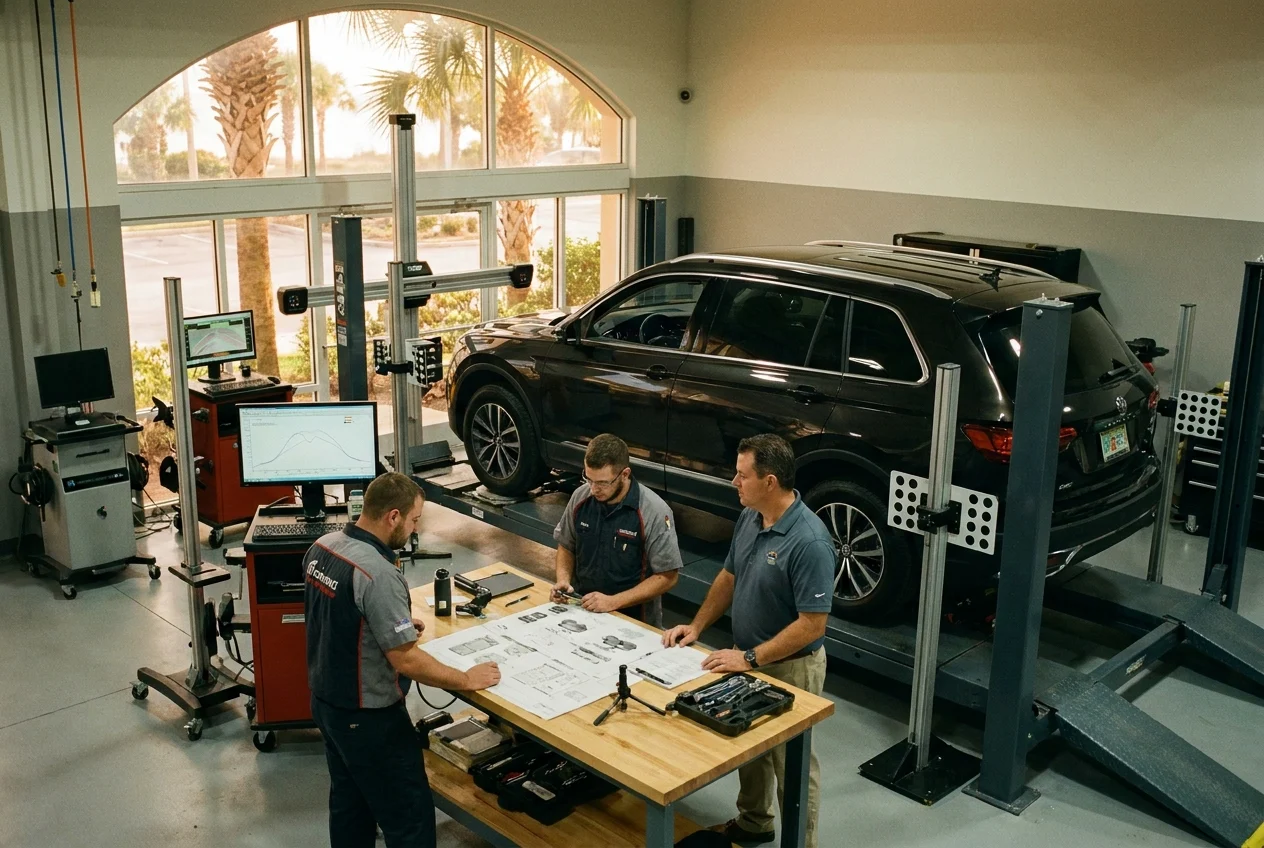
Today’s vehicles include advanced safety and driver assistance features that depend on accurate sensors, cameras, modules, and calibration. These systems may be connected to bumpers, mirrors, windshields, grilles, and other areas commonly affected by minor impacts or body movement. If one component is misaligned or malfunctioning, the vehicle may not respond as designed in a critical moment.
A professional diagnostic check can scan vehicle systems for stored fault codes, communication errors, calibration issues, and sensor irregularities. This information helps technicians identify problems that may not be visible during a basic visual inspection. In many cases, the scan can reveal whether a system was affected by a previous impact, rough road conditions, water intrusion, or electrical faults.
Diagnostic support is especially important after any event that could affect the vehicle’s structure or exterior components. This includes low speed collisions, pothole impacts, curb strikes, hail damage, and even improper previous repairs. While the vehicle may still drive normally, hidden issues can compromise safety performance and lead to further body related problems if not corrected.
Why calibration matters after repairs or impacts
Many safety features depend on precise positioning. Lane departure warning, adaptive cruise control, blind spot monitoring, parking sensors, and automatic emergency braking may require calibration when related parts are repaired, replaced, or disturbed. If calibration is skipped, the system may provide inaccurate alerts or fail to detect hazards properly.
Regular diagnostic checks help confirm that these systems remain accurate over time. This is particularly valuable for vehicles that are driven in heavy traffic, exposed to harsh weather, or frequently parked in tight areas where small impacts are more likely. By verifying that electronic and structural components are working together correctly, diagnostic services help prevent both safety risks and avoidable auto body repairs.
The Connection Between Mechanical Health and Exterior Condition
Auto body condition is not isolated from the rest of the vehicle. A car with worn suspension parts, weak shocks, poor tire balance, or damaged mounts may experience additional vibration and movement that gradually affects exterior components. Panels, trim pieces, bumper covers, headlight assemblies, and underbody shields are all designed to fit securely within a stable operating environment. When that environment changes, parts can loosen, shift, or wear prematurely.
Consider a vehicle with failing struts. At first, the driver may notice a rougher ride or extra bouncing after hitting bumps. If the issue continues, the vehicle may dip more aggressively during braking, lean during turns, and place extra stress on tires and alignment angles. These mechanical changes can increase the chance of scraping the front bumper, damaging the undercarriage, or wearing out body mounted components that were never meant to absorb constant vibration.
Engine and transmission mounts can create similar concerns. When mounts weaken, the powertrain may move more than intended, causing vibrations that travel through the vehicle structure. Over time, these vibrations can contribute to rattles, loosened fasteners, cracked brackets, and stress around nearby components. A diagnostic inspection that identifies the root cause early can prevent unnecessary replacement of exterior parts that are only symptoms of a deeper mechanical issue.
Why tire and suspension diagnostics matter for body preservation
Tires and suspension components play a major role in how the vehicle absorbs impact from the road. When tires are underinflated, overinflated, unevenly worn, or mismatched, the vehicle may not sit or handle correctly. This can increase the risk of contact with curbs, debris, potholes, and steep driveways. It can also cause pulling or drifting that makes minor collisions more likely in everyday driving.

Suspension diagnostics can uncover worn ball joints, control arm issues, damaged bushings, leaking shocks, and compromised steering components. These problems may not seem related to auto body repair at first, but they influence vehicle control and stability. A car that does not track properly is more likely to suffer preventable exterior damage, especially in rain, snow, crowded parking lots, or emergency maneuvers.
Preventing Rust, Corrosion, and Hidden Structural Deterioration
Rust is one of the most expensive body related problems because it often spreads long before it becomes obvious. Diagnostic checks help identify the conditions that allow corrosion to begin, such as trapped moisture, damaged seals, clogged drain channels, chipped paint, loose trim, and underbody coating failure. Early detection is critical because surface corrosion is far easier and less expensive to treat than deep structural rust.
Vehicles driven in areas with road salt, coastal air, frequent rain, or high humidity are especially vulnerable. Salt and moisture can collect behind wheel well liners, along rocker panels, beneath doors, around trunk openings, and under bumper covers. These areas are not always visible during casual washing or routine refueling, which is why a detailed diagnostic inspection can provide valuable protection.
Paint chips and scratches may also seem minor, but they can expose metal to oxygen and moisture. Once oxidation begins, the damaged area can expand beneath the surrounding paint. What looked like a small blemish may eventually require sanding, refinishing, panel repair, or even replacement. Catching the problem early allows for smaller, more targeted repairs that preserve the original structure and finish.
Moisture intrusion as an early warning sign
Water inside the cabin, trunk, or spare tire well should always be investigated. Moisture may enter through damaged weatherstripping, misaligned panels, cracked lamp seals, clogged sunroof drains, or previous collision repairs that were not sealed correctly. Besides creating odors and interior damage, water intrusion can lead to corrosion in hidden areas and electrical problems that affect diagnostic modules and safety systems.
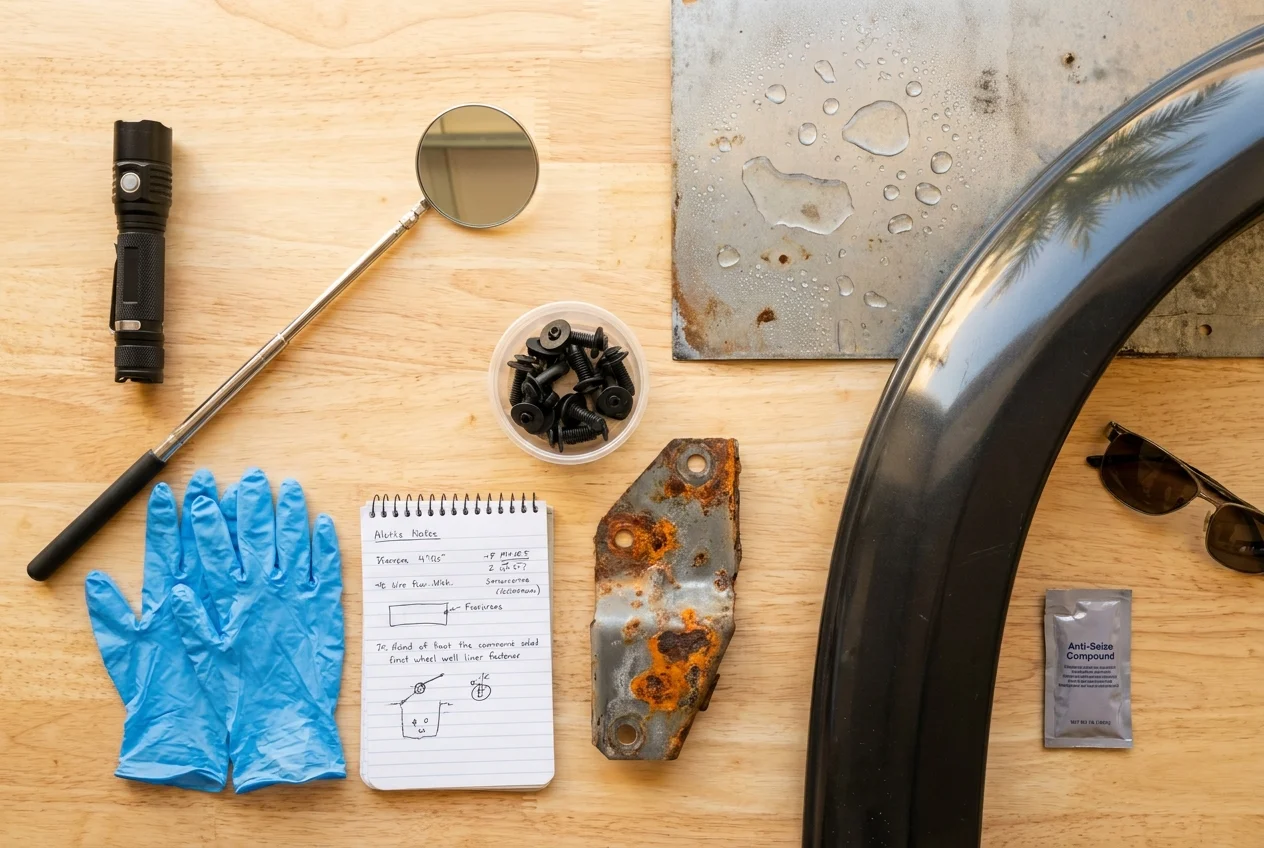
A regular diagnostic check can include a close look at drainage points, seals, floor areas, and electronic components located near potential leak zones. Finding the entry point early can prevent rust, mold, wiring damage, and larger body repairs. This is especially important after windshield replacement, door repairs, trunk repairs, or any work involving seams and seals.
The Financial Advantage of Early Detection
One of the strongest reasons to schedule regular diagnostic checks is cost control. Small repairs are usually more predictable, less labor intensive, and easier to plan for than major auto body repairs. A minor alignment correction, sensor calibration, seal replacement, paint touch up, or suspension adjustment can prevent damage that might later require panel replacement, refinishing, frame measurement, or advanced electrical repair.
Major body repairs often involve more than the damaged part itself. If a bumper is struck and underlying sensors are damaged, the repair may include replacement parts, refinishing, scanning, calibration, mounting hardware, and labor to verify system performance.
Early detection also helps preserve resale value. Buyers, appraisers, and dealerships often look for signs of neglected maintenance, uneven panel gaps, corrosion, warning lights, and poor repair history.
Reducing insurance complications and repair delays
When damage is discovered late, it can be harder to determine when and how it occurred. This may complicate insurance claims, warranty questions, or repair planning.

Timely inspections can also reduce downtime. A vehicle that needs extensive body repair may be unavailable for days or weeks, especially if specialty parts, paint matching, or calibration appointments are required.
What a Thorough Diagnostic Check Should Include
A high quality diagnostic check goes beyond reading dashboard codes. It should combine electronic scanning, visual inspection, road testing, and technician interpretation. The scan may reveal fault codes in powertrain, body control, restraint, braking, steering, and advanced driver assistance systems.
Technicians may inspect panel alignment, bumper fitment, lighting operation, tire wear patterns, suspension movement, underbody condition, fluid leaks, rust prone areas, and sensor placement. They may also look for signs of previous damage, such as uneven fasteners, paint texture differences, missing clips, disturbed sealant, or non original brackets.
A road test can add another layer of insight. During driving, a technician can evaluate steering response, braking stability, noises, vibration, pulling, and driver assistance behavior.
How often should drivers scheduleNeed help with How Regular Diagnostic Checks Can Prevent Major Auto Body Repairs?
Need help with How Regular Diagnostic Checks Can Prevent Major Auto Body Repairs?