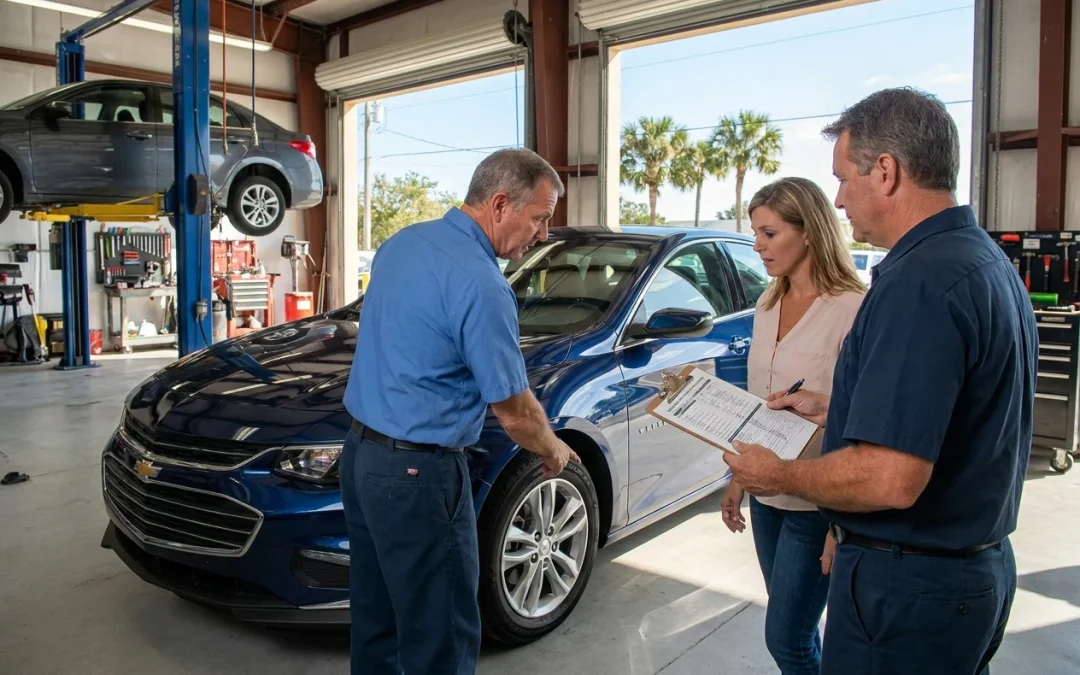
After a collision, it is easy to focus on the visible damage, such as dented panels, cracked bumpers, or broken lights. However, some of the most important repairs are the ones you cannot see right away, including the condition of your vehicle’s wheel alignment and related safety systems.
For drivers in Port Charlotte, proper alignment after collision repair is especially important because local roads, traffic conditions, and daily driving demands can quickly reveal hidden suspension or steering issues. A thorough alignment check helps confirm that your vehicle tracks correctly, handles safely, and supports the performance of modern driver assistance features.
Hidden Collision Damage Can Affect How Your Vehicle Drives
Even a seemingly minor impact can shift suspension components, steering angles, or structural mounting points out of specification. When this happens, your vehicle may still look repaired on the outside, but it may not drive the way the manufacturer intended. Small changes in wheel position can influence how the tires contact the road, how the steering responds, and how stable the vehicle feels at highway speeds.
Common signs of alignment problems after collision repair include the vehicle pulling to one side, a crooked steering wheel, uneven tire wear, or a feeling that the vehicle wanders within the lane. In some cases, these symptoms may appear gradually, which is why an alignment inspection is important even if the vehicle seems normal immediately after repairs.
Why Minor Impacts Should Not Be Ignored
Low-speed collisions, curb strikes, parking lot impacts, and side impacts can all affect alignment. The force of a collision does not have to be severe to change the relationship between the wheels, suspension, and steering system. Because modern vehicles are engineered with tight tolerances, even slight misalignment can create noticeable changes in handling and tire performance.

Ignoring these issues can lead to additional repair costs over time. Tires may wear prematurely, suspension parts may experience added stress, and the vehicle may require more steering correction during normal driving. Addressing alignment concerns promptly helps protect both safety and long-term vehicle value.
Alignment Plays a Key Role in Tire Wear, Handling, and Safety
Proper wheel alignment helps ensure that all four tires meet the road at the correct angles. When the alignment is within factory specifications, the vehicle is better able to maintain straight tracking, predictable cornering, and consistent braking stability. This is especially important after collision repair because the impact may have affected more than one part of the steering or suspension system.
Misalignment can cause tires to wear unevenly across the tread, reducing traction and shortening tire life. In wet weather or emergency braking situations, uneven tire contact can make it harder for the vehicle to respond as expected. For Port Charlotte drivers who regularly encounter rain, busy intersections, and coastal road conditions, maintaining proper tire contact is an important part of everyday driving safety.
Why Alignment Matters for ADAS Calibration
Many newer vehicles are equipped with advanced driver assistance systems, often called ADAS. These systems may include lane departure warning, lane keeping assist, adaptive cruise control, automatic emergency braking, blind spot monitoring, and forward collision warning. While these features rely on cameras, radar sensors, and other electronic components, they also depend on the vehicle being physically positioned and tracking correctly.
If the wheels are not aligned properly after a collision repair, ADAS features may not interpret the road and surrounding traffic as accurately as intended. For example, a front camera may be calibrated to the vehicle’s centerline, but if the vehicle is slightly pulling or tracking at an angle, lane markings and vehicle position may not match what the system expects. This can lead to delayed alerts, false warnings, or reduced system performance.
The Relationship Between Steering Angle and Safety Systems
Modern vehicles often use a steering angle sensor to help determine where the driver intends to go. This information may be used by stability control, traction control, lane keeping systems, and other safety technologies. After a collision, if the steering wheel is off center or the wheel alignment is out of specification, the steering angle data may not match the actual direction of travel.
This mismatch can create problems for both handling and electronic safety systems. A vehicle may appear to drive straight only because the driver is holding the steering wheel slightly off center. In that situation, the vehicle’s sensors may be receiving information that does not accurately reflect the vehicle’s true path. A proper alignment helps restore the correct mechanical foundation before ADAS calibration is performed.
Alignment Should Often Come Before Calibration
In many collision repair situations, wheel alignment should be checked or corrected before ADAS calibration. Calibration is designed to teach the vehicle’s cameras and sensors where to look and how to interpret their surroundings. If the vehicle is not sitting, steering, or tracking correctly, calibration may be less accurate or may need to be repeated after alignment corrections are made.
This is why alignment and ADAS services are closely connected. A complete post collision repair process may include inspecting suspension components, measuring alignment angles, correcting wheel position, centering the steering wheel, and then performing any required ADAS calibrations according to manufacturer procedures.
Important Alignment Angles After a Collision
Wheel alignment involves more than simply making the steering wheel straight. Technicians measure and adjust specific angles that affect tire contact, steering response, and vehicle stability. After a collision, these measurements help identify whether the suspension and steering geometry have returned to factory specifications.
Camber
Camber refers to the inward or outward tilt of the tire when viewed from the front of the vehicle. If the top of the tire leans too far inward or outward, the tire may wear heavily on one edge. Collision impacts can change camber by bending suspension components, shifting mounting points, or damaging struts, control arms, or knuckles.

Incorrect camber may also affect how the vehicle corners and how stable it feels during lane changes. After collision repair, camber readings can help reveal hidden damage that may not be obvious during a visual inspection.
Caster
Caster is the angle of the steering axis when viewed from the side of the vehicle. It plays an important role in steering stability and how well the steering wheel returns to center after a turn. If caster is out of specification, the vehicle may pull to one side or feel less stable at higher speeds.
Because caster can be affected by structural or suspension movement, it is especially important after front end collisions, curb impacts, and impacts involving the wheel or tire. A caster issue may indicate that deeper inspection is needed before the vehicle is considered fully repaired.
Toe
Toe describes whether the tires point slightly inward or outward when viewed from above. Even a small toe problem can cause rapid tire wear because the tires are effectively being dragged across the road instead of rolling straight. Toe is one of the most common alignment angles affected by collisions and suspension impacts.
Signs of incorrect toe may include feathered tire wear, a steering wheel that is not centered, or a vehicle that feels nervous or unstable on the road. Correcting toe helps improve straight line tracking and can make the vehicle feel more predictable during everyday driving.
Port Charlotte Driving Conditions Make Proper Alignment Even More Important
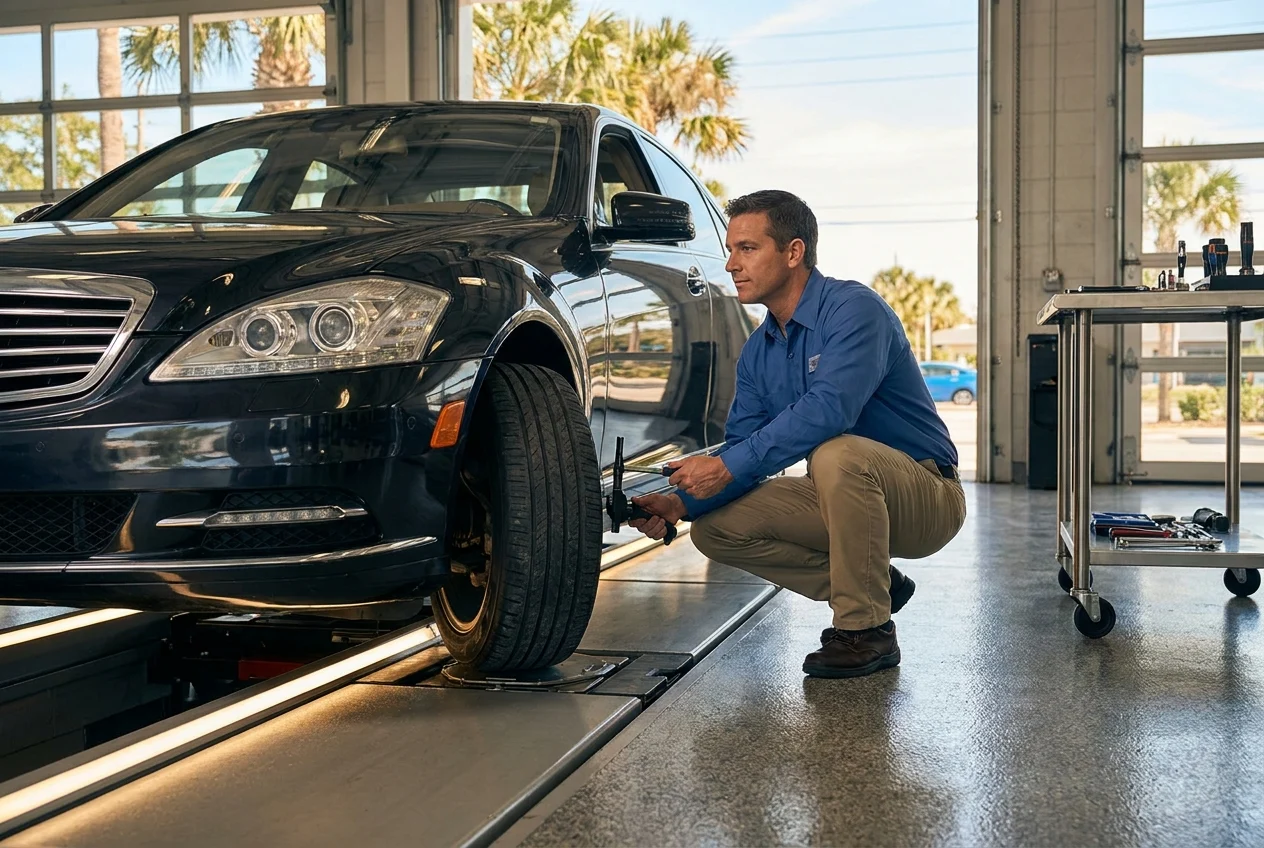
Driving conditions in and around Port Charlotte can make alignment issues more noticeable. Frequent stop and go traffic, seasonal rain, uneven pavement, construction areas, and regular highway driving can all place demands on the steering, suspension, and tires. If a vehicle has hidden alignment problems after collision repair, these conditions may accelerate tire wear or make handling concerns more obvious.
Wet roads are a particular concern. When tires are already wearing unevenly due to misalignment, they may not channel water as effectively. This can reduce traction during heavy rain and increase the risk of hydroplaning. Proper alignment supports even tread contact, which helps the tires perform as designed in changing weather conditions.
Daily Commuting Can Expose Small Problems
A vehicle that is slightly out of alignment may feel manageable during a short test drive, but daily commuting can reveal the issue over time. Drivers may notice that they constantly correct the steering wheel, feel vibration through the wheel, or see one tire wearing faster than the others. These problems can become frustrating and expensive if they are not addressed early.
After collision repair, a professional alignment check provides measurements that confirm whether the vehicle is within specification. This removes guesswork and gives drivers greater confidence that the repair addressed both visible damage and hidden drivability concerns.
How Alignment Inspections Support Quality Collision Repair
A proper alignment inspection is an important quality control step after many collision repairs. It helps verify that repaired or replaced components are positioned correctly and that the vehicle’s suspension geometry matches manufacturer requirements. If readings are outside specification, technicians can investigate whether additional adjustments, part replacements, or structural corrections are needed.
This process is especially important when the collision involved the front end, rear suspension area, wheels, tires, or lower body structure. Damage to these areas may affect how the vehicle sits and moves, even after body panels have been repaired and refinished.
Alignment Readings Can Reveal Hidden Damage
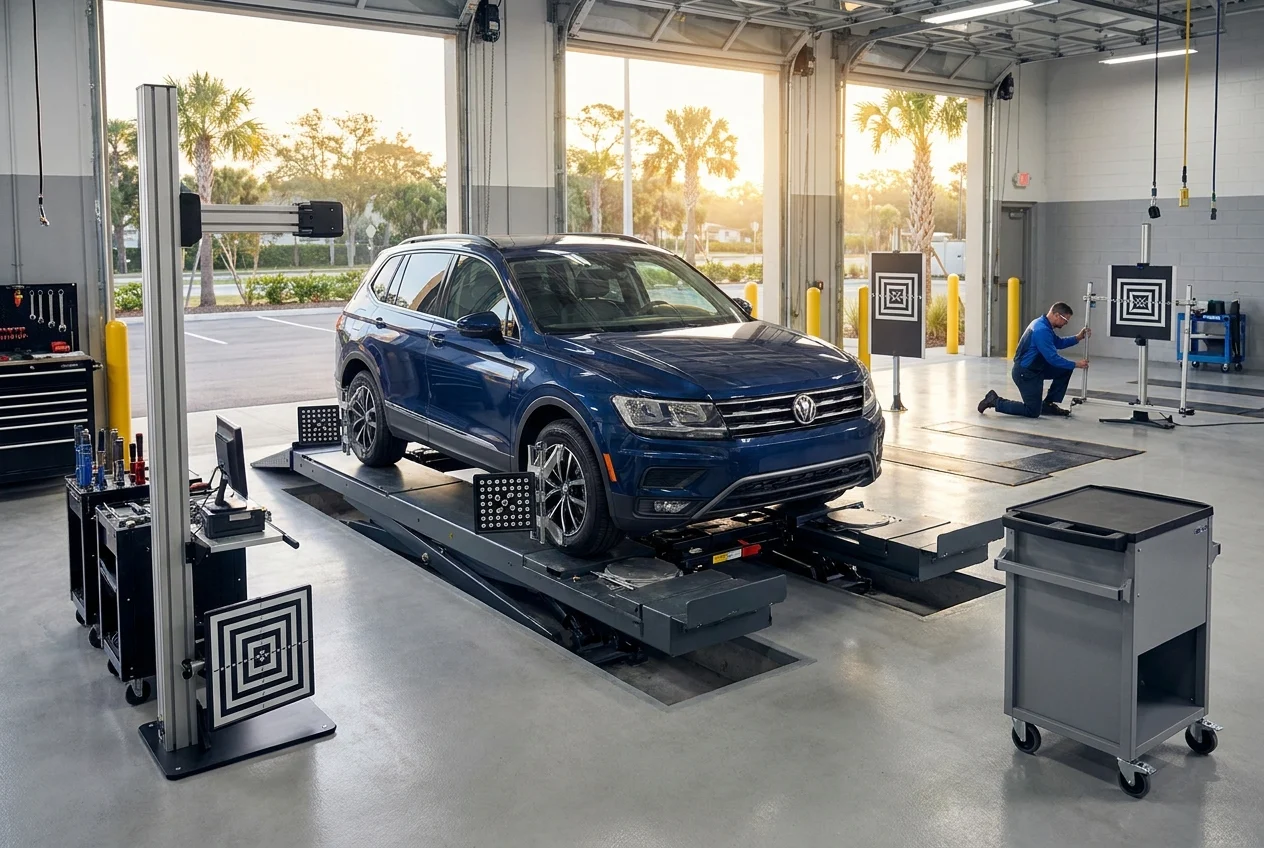
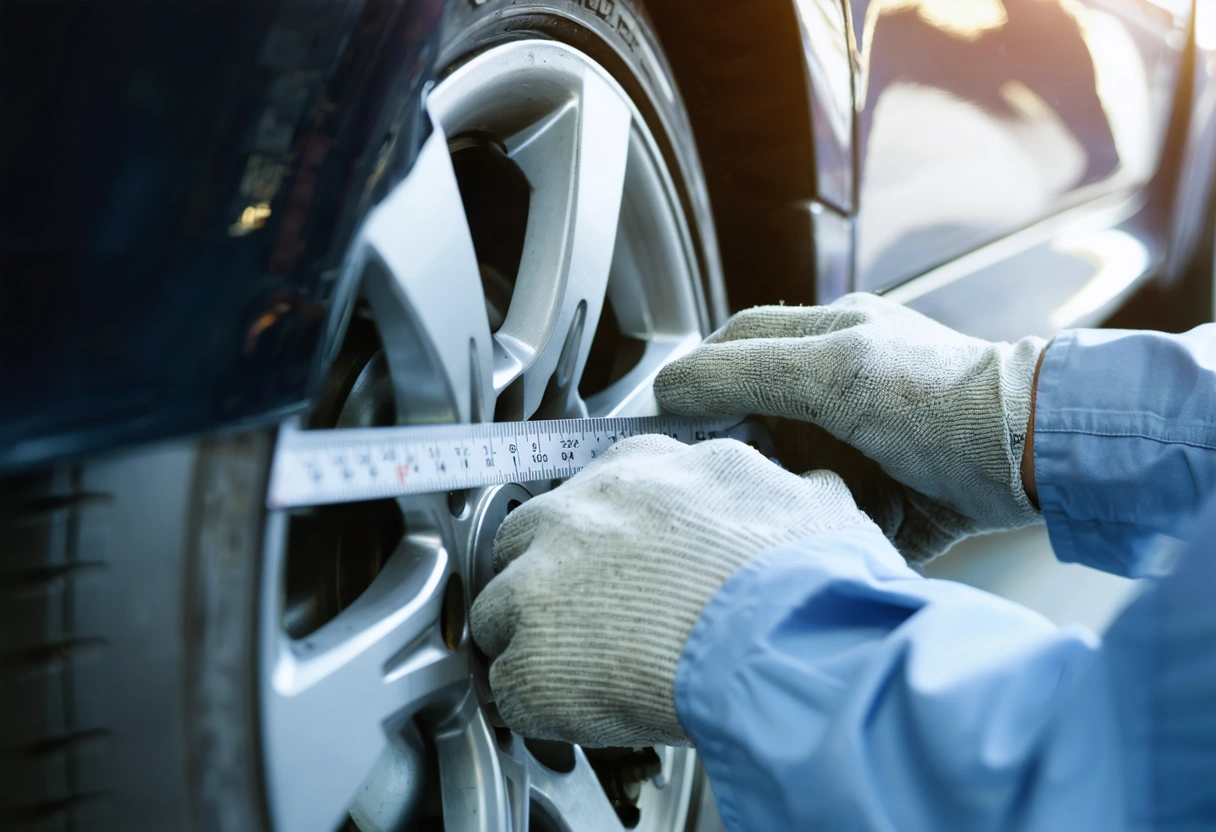
Alignment equipment provides precise measurements that can point to damage not visible from the outside. For instance, if one wheel cannot be adjusted into specification, there may be a bent control arm, damaged strut, shifted subframe, or compromised mounting point. Without alignment measurements, these issues may be missed until the driver experiences abnormal tire wear or handling problems.
In this way, alignment is not just an adjustment service. It is also a diagnostic tool that helps confirm whether the vehicle has been restored properly after a collision.
Four Wheel Alignment Is Often Necessary
Some drivers assume that alignment only involves the front wheels, but many modern vehicles require four wheel alignment. Rear wheel angles can influence how the vehicle tracks, how the steering wheel sits, and how stable the vehicle feels.
After a collision, checking all four wheels is often the best way to understand the full condition of the vehicle. This is particularly important after side impacts, rear impacts, suspension damage, or any collision where the vehicle was pushed or twisted by the force of impact.
Need help with Why Wheel Alignment Matters After a Collision Repair in Port Charlotte?