After a collision, it can be tempting to keep driving if the vehicle still starts, the damage looks cosmetic, or life is too busy to schedule repairs right away. A cracked bumper, small dent, or slight pull in the steering may not seem urgent, especially when insurance paperwork and daily transportation needs are competing for your attention.
However, delaying collision repair can allow hidden damage to worsen, create safety concerns, and potentially increase the total cost of restoring the vehicle. Understanding what may be happening beneath the surface can help drivers make more informed decisions after an accident.
What Minor Collision Damage Can Hide Beneath the Surface
Modern vehicles are engineered with complex safety systems, layered structural components, sensors, and lightweight materials that are designed to absorb and redirect crash energy. Because of this design, visible damage does not always tell the full story. A bumper cover may spring back into shape while the reinforcement bar, impact absorber, mounting brackets, or frame components behind it remain bent or weakened.
Even low-speed accidents can affect areas that are difficult to inspect without proper equipment. A small rear-end collision may damage the trunk floor, exhaust system, rear body panel, or parking sensors. A side impact can disturb door alignment, rocker panels, suspension components, or airbag sensors. If these issues are not identified early, the vehicle may continue to operate while compromised parts gradually create additional problems.
Structural Damage Is Not Always Obvious
One of the most important concerns after a collision is whether the vehicle’s structure has been affected. Structural damage does not always appear as a dramatic bend or twist. It may show up as uneven panel gaps, a door that needs extra force to close, unusual tire wear, or a vehicle that no longer tracks straight on the road.
When structural components are out of specification, the vehicle may not respond as designed in a future crash. Crumple zones, frame rails, pillars, and support panels are all part of an engineered safety system. If these areas are weakened or misaligned, they may be less effective at protecting occupants during another impact.
How Delayed Repairs Can Lead to Higher Costs
Waiting to repair collision damage can turn a manageable repair into a more complicated and expensive one. Exposed metal can begin to rust, cracked paint can spread, and damaged seals can allow water to enter areas where it does not belong. Moisture inside body panels, wheel wells, or the trunk can lead to corrosion, electrical issues, and unpleasant odors over time.
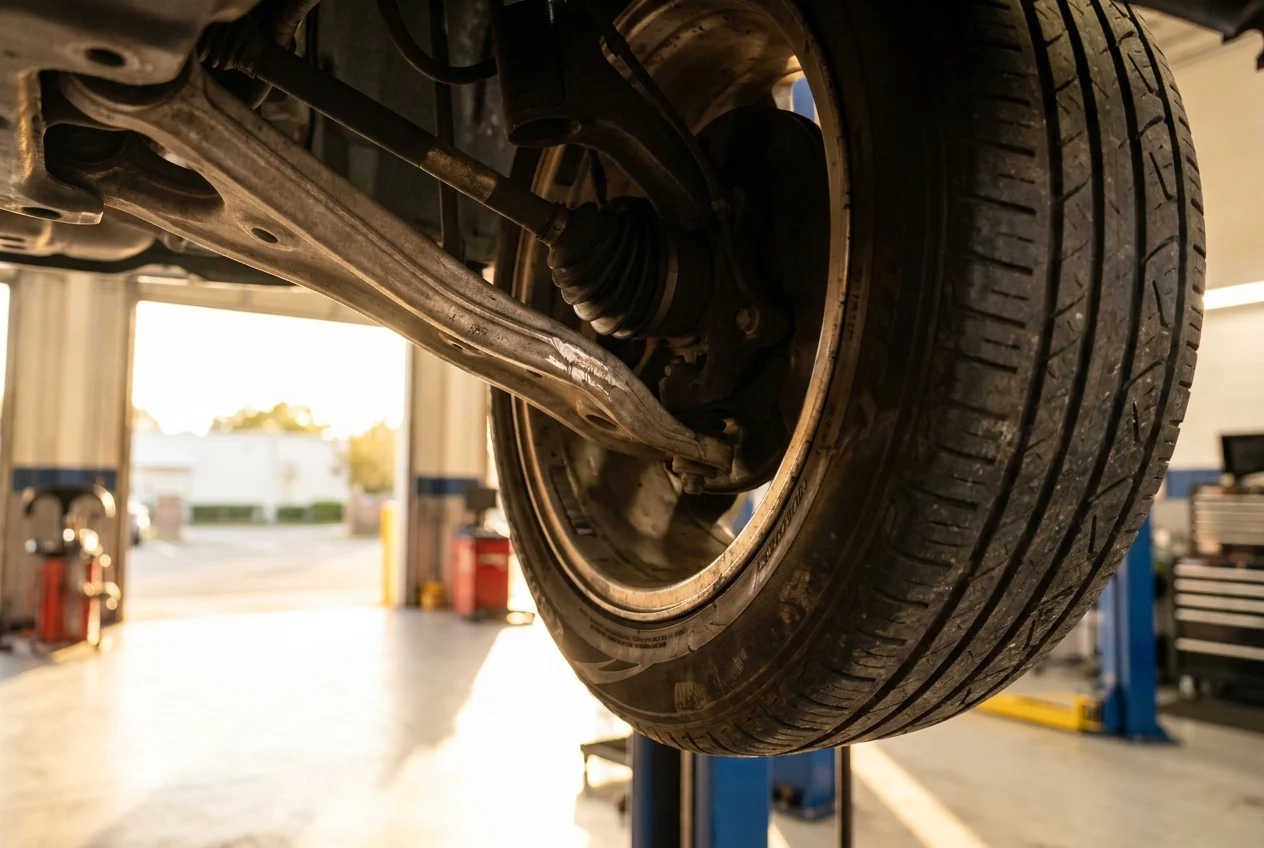
Mechanical and alignment-related damage can also worsen with continued driving. A bent suspension component, misaligned wheel, or damaged steering part may place extra stress on tires, bearings, shocks, and other connected systems. What begins as a minor adjustment or part replacement can become a larger repair if the vehicle is driven for weeks or months without a proper inspection.
Insurance and Documentation Issues May Become More Complicated
Prompt repair estimates and inspections help create a clear record of the damage caused by the accident. When too much time passes, it may become harder to show which problems were directly related to the collision and which developed later. This can complicate insurance discussions, especially if additional damage appears after continued use of the vehicle.
Delays can also affect repair planning. Parts availability, supplement approvals, rental coverage, and shop scheduling can all influence the timeline. Starting the process early gives drivers more time to understand the scope of repairs and avoid unexpected disruptions.
Safety Systems Can Be Affected Even When the Vehicle Seems Drivable
Many drivers judge the urgency of collision repair by whether the vehicle can still be driven. While drivability matters, it does not always reflect whether the vehicle is safe. Today’s vehicles rely on interconnected safety systems that may be affected by impact forces, damaged wiring, shifted sensors, or misaligned components.
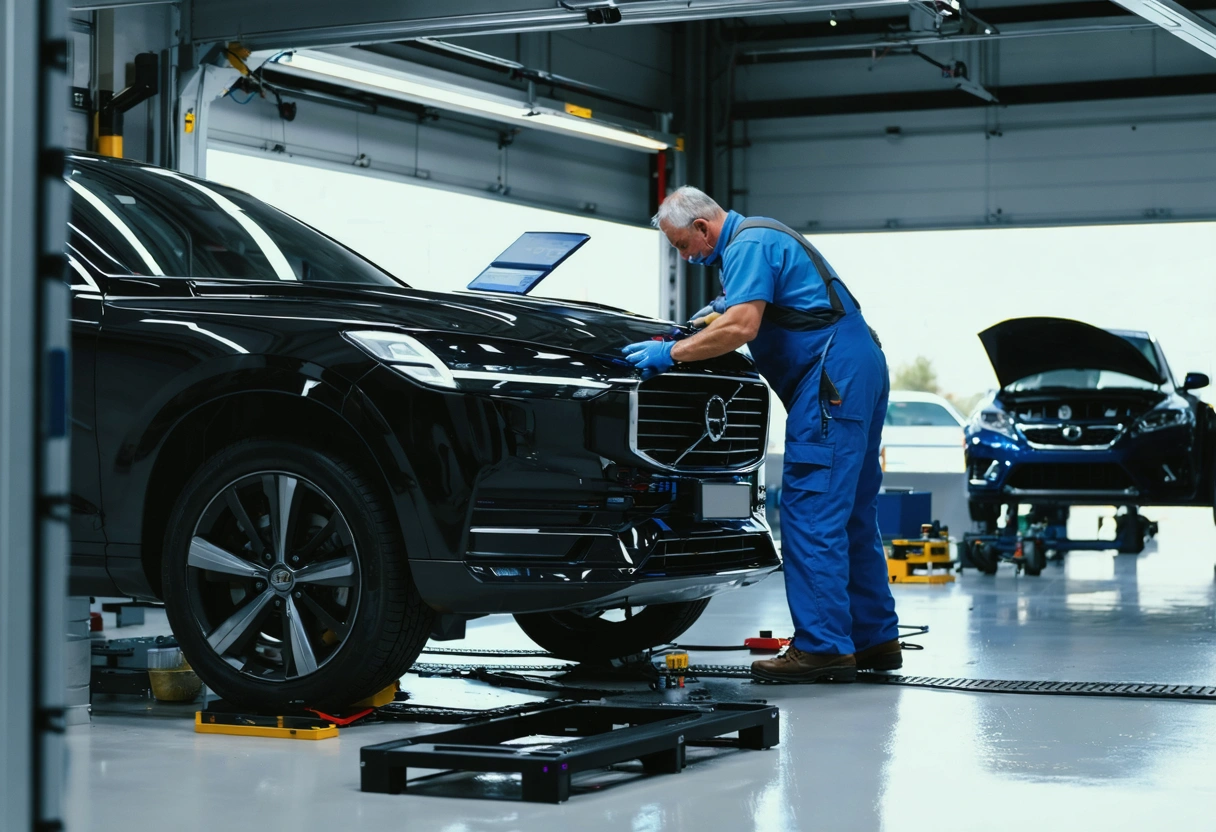
Advanced driver assistance systems, such as blind spot monitoring, lane departure warning, adaptive cruise control, automatic emergency braking, and parking assistance, often depend on cameras, radar units, ultrasonic sensors, and control modules positioned around the vehicle. These components may be located behind bumpers, grilles, mirrors, windshields, and quarter panels. A minor-looking impact can move a sensor out of alignment or damage a bracket without triggering an obvious warning light.
Sensor Misalignment Can Change How the Vehicle Responds
When safety sensors are not positioned correctly, the vehicle may misread traffic, road markings, nearby objects, or following distance. For example, a radar sensor behind a front bumper may still operate after a collision, but if it is aimed slightly off center, adaptive cruise control or automatic braking may respond late, too early, or inconsistently.
Camera-based systems can also be affected by body movement or windshield damage. If a camera is not calibrated correctly after related repairs, lane keeping assistance and collision warning systems may not perform as intended. Because these systems are designed to support driver awareness and emergency response, even small changes in calibration can have important safety implications.
Airbag and Seat Belt Systems Should Not Be Ignored
Collisions can affect airbag sensors, seat belt pretensioners, wiring connectors, and occupant detection systems. In some cases, warning lights may appear immediately. In others, damage may not be obvious without a diagnostic scan. If the supplemental restraint system has stored fault codes or damaged components, airbags or seat belt systems may not deploy properly in a future crash.
A vehicle does not need to experience a severe collision for restraint system components to be affected. Impacts near the front bumper, doors, pillars, or seat areas can disturb sensors or wiring. Having the vehicle inspected promptly helps identify whether these critical safety features are still functioning as designed.
Paint, Rust, and Weather Exposure Can Make Damage Spread
Body damage often becomes more costly when damaged paint and protective coatings are left exposed. Automotive paint does more than improve appearance. It protects metal panels from moisture, road salt, sunlight, chemicals, and debris. When a collision cracks, chips, or separates the paint layer, corrosion can begin underneath the surface.
Rust may start as a small spot around a scratch, dent, wheel opening, or panel edge. Over time, it can spread beneath the paint and weaken the surrounding metal. Once corrosion advances, repairs may require more sanding, panel replacement, refinishing, or rust treatment than would have been needed if the damage had been addressed early.
Water Intrusion Can Create Hidden Interior Problems
After an accident, damaged seals, misaligned panels, cracked lights, or shifted body seams can allow water to enter the vehicle. Moisture may collect under carpeting, inside the trunk, behind interior trim, or within door cavities. Because these areas are not always visible, water damage may go unnoticed until there is a musty smell, fogging windows, mold growth, or electrical malfunction.
Water intrusion can be especially problematic when it reaches wiring harnesses, control modules, speakers, seat components, or connectors. Electrical issues caused by moisture can be difficult to trace and may appear intermittently. A prompt collision inspection can help locate gaps, broken seals, and drainage problems before they lead to long-term damage.
Alignment and Suspension Problems Can Affect Everyday Driving
Even when body damage looks minor, the force of a collision can travel into the wheels, suspension, steering, and subframe. This is common in curb impacts, side impacts, rear-end collisions, and accidents where a wheel or tire absorbs part of the force. The vehicle may continue to drive, but it might not handle, brake, or corner the way it should.
Warning signs can include the steering wheel sitting off center, the vehicle pulling to one side, vibration at certain speeds, clunking sounds over bumps, uneven tire wear, or a feeling that the vehicle is less stable than before. These symptoms may seem manageable at first, but continued driving can place added stress on connected parts.

Tire Wear Can Be an Early Clue
Tires often reveal collision-related alignment problems before a driver notices major handling changes. Feathered edges, bald spots, cupping, or uneven wear across the tread can indicate that the wheels are no longer aligned correctly or that suspension components are bent or worn.
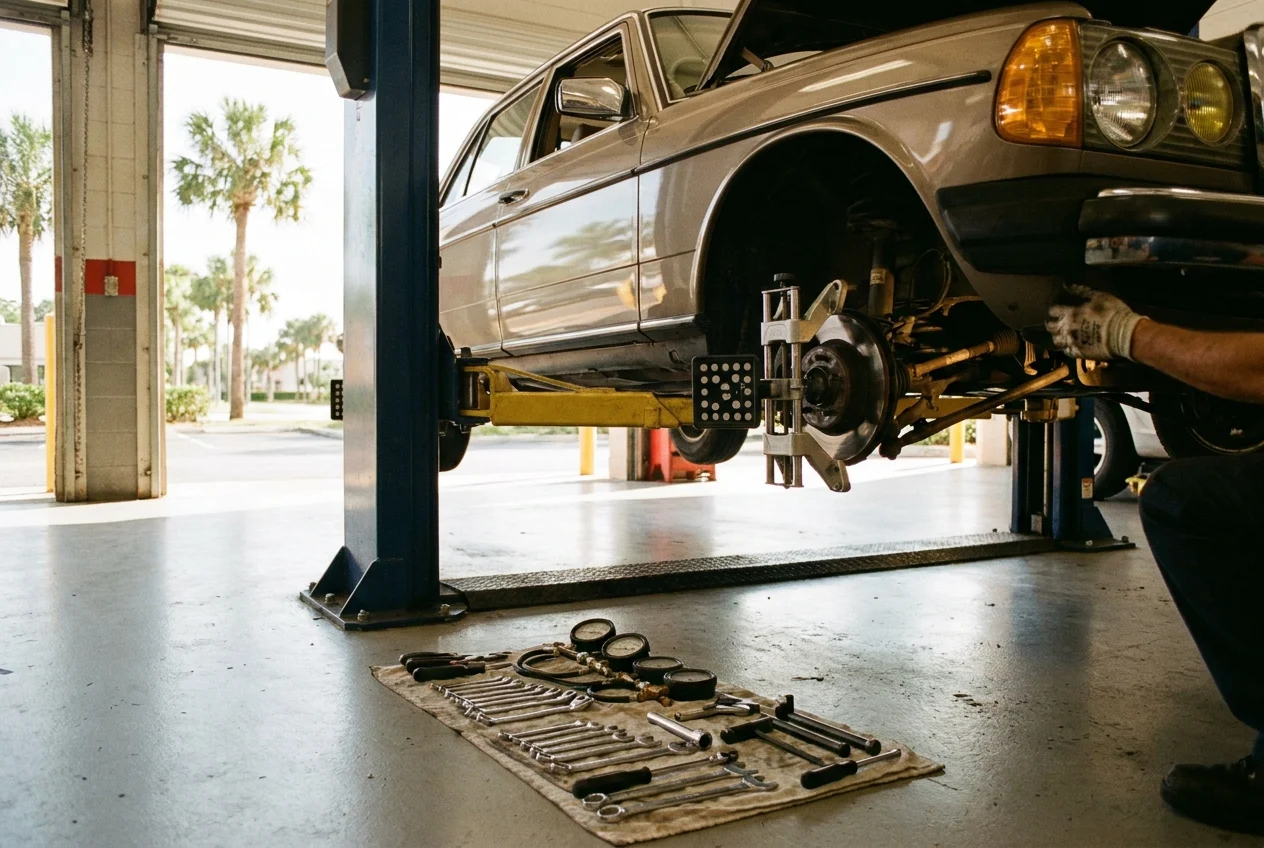
Proper post-collision inspection may include checking wheel alignment, suspension geometry, steering components, wheels, tires, and mounting points. Correcting these issues early can help preserve vehicle handling and prevent unnecessary wear on expensive parts.
Small Cosmetic Damage Can Lower Vehicle Value
Unrepaired collision damage can reduce a vehicle’s resale value, trade-in value, and overall appeal. Buyers and dealerships often view visible dents, mismatched panels, cracked lights, or peeling paint as signs that the vehicle may not have been properly maintained.
Delaying repairs may also make it harder to preserve a clean repair history. A professional inspection and documented repair process can show that the damage was evaluated and addressed correctly.
Unrepaired Damage Can Signal Neglect
When collision damage remains visible for a long time, it may suggest to future buyers that maintenance and safety concerns were postponed. A dented quarter panel, cracked bumper, or broken trim piece may seem small, but it can influence how someone judges the entire vehicle.
Professional repairs also help restore panel fit, finish, and protective coatings. Addressing damage properly can help maintain the vehicle’s condition and prevent a minor issue from becoming a larger deduction during appraisal.
Warning Signs That Collision Repair Should Not Wait
Some post-accident symptoms should be addressed as soon as possible, even if the vehicle appears to operate normally. These signs may indicate safety, structural, mechanical, or electrical concerns that could worsen with continued driving.
Changes in How the Vehicle Drives
If the vehicle pulls to one side, vibrates, feels unstable, makes new noises, or has a steering wheel that is no longer centered, it should be inspected promptly.
New Warning Lights or Electrical Problems
Dashboard warning lights after a collision should not be ignored. Airbag, traction control, anti-lock braking, parking sensor, blind spot, or check engine lights may indicate damaged sensors, wiring, modules, or related systems.
Doors, Trunk, Hood, or Windows No Longer Fit Correctly
Difficulty opening or closing doors, the hood, trunk, or liftgate can suggest misalignment in hinges, latches, panels, or structural mounting points. Windows that bind, leak, or make unusual noise may also indicate that the door frame or internal mechanisms were affected.
Fluid Leaks or Unusual Smells
<p
Fluid leaks or unusual smells after a collision should be inspected right away. Leaking coolant, oil, transmission fluid, brake fluid, washer fluid, or fuel can indicate damage to lines, reservoirs, radiators, hoses, or mechanical components.
Why a Professional Post-Collision Inspection Matters
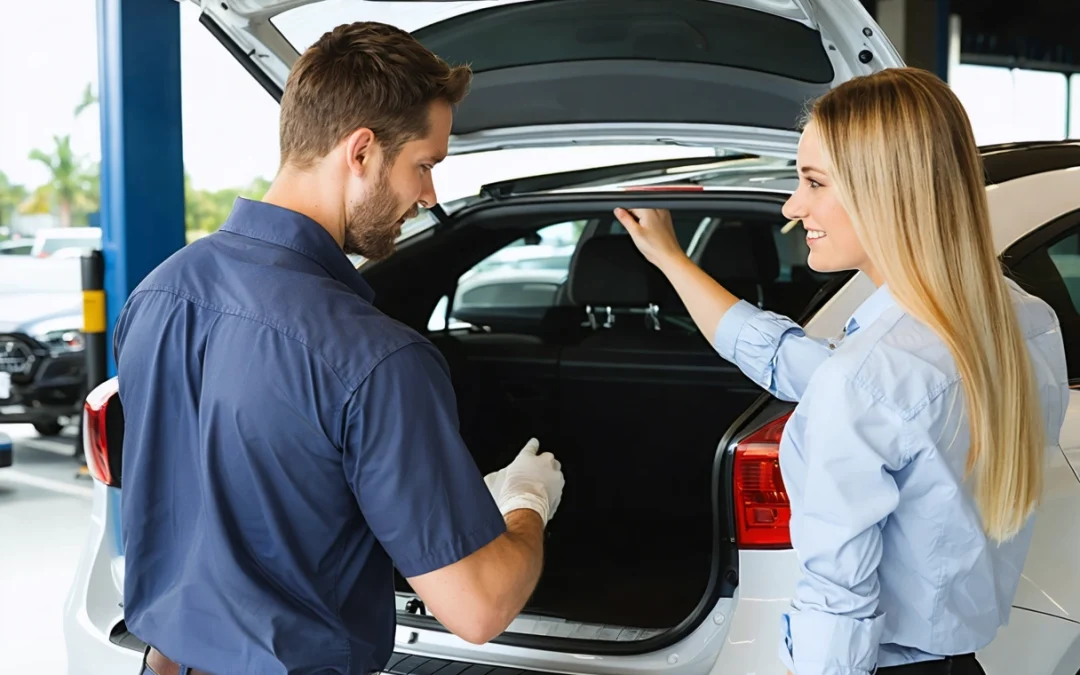
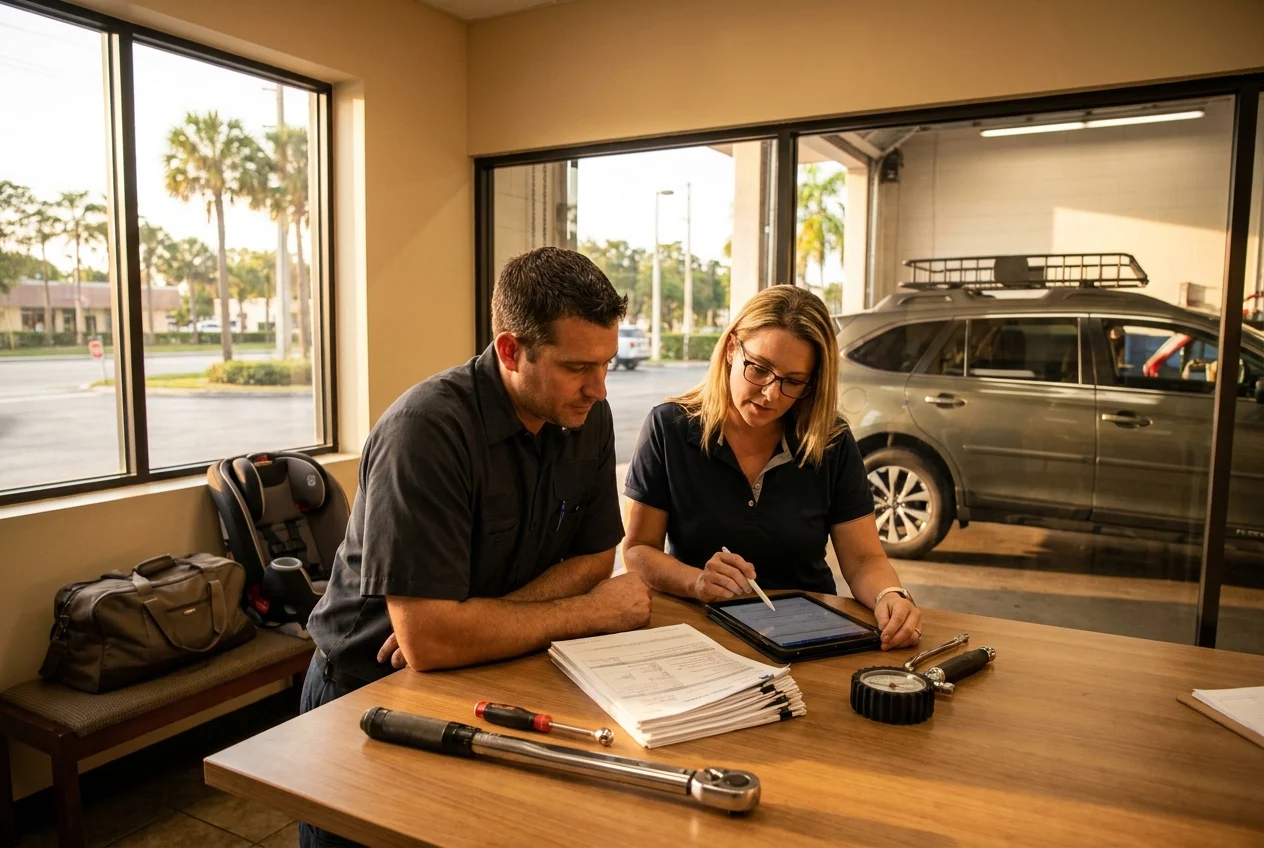
A proper collision inspection looks beyond the visible dent or scratched paint. Technicians may remove damaged trim, bumper covers, liners, or interior panels to check the components underneath.
This process helps determine whether the vehicle only needs cosmetic repair or whether there are underlying safety, structural, mechanical, or electronic concerns. It also helps create a more accurate repair plan, which can reduce surprises once work begins.
Hidden Damage Often Requires Disassembly to Confirm
Some damage cannot be fully assessed from the outside. A bumper cover may conceal cracked absorbers, bent brackets, damaged wiring, broken sensor mounts, or a distorted reinforcement bar.
Without this step, a repair estimate may miss important items. That can lead to incomplete repairs, additional delays, or safety systems that are not restored to proper operation.
Diagnostics and Calibration Are Part of Modern Collision Repair
Many modern repairs require more than replacing panels and refinishing paint. Diagnostic scans can reveal stored fault codes related to airbags, cameras, radar sensors, lighting, braking systems, or body control modules.
Skipping these steps can leave the vehicle looking repaired while important systems remain inaccurate or disabled. A thorough repair process helps ensure the vehicle is restored as closely as possible to manufacturer specifications.
When Waiting May Be Especially Risky
While any unrepaired collision damage deserves attention, some situations make delay especially risky. Vehicles involved in impacts near wheels, bumpers, doors, pillars, the windshield, or the rear body structure should be checked promptly because these areas often contain structural elements, sensors, wiring, or safety components.
Delaying repair is also more concerning when the vehicle is used for long commutes, highway driving, transporting children, rideshare work, delivery service, or frequent travel in poor weather.
Weather and Road Conditions Can Accelerate Problems
Rain, snow, humidity, road salt, gravel, and extreme temperatures can all make unrepaired collision damage worse. Cracked paint can allow moisture to reach bare metal.
In colder climates, water that enters damaged seams or panels can freeze and expand, making gaps or cracks worse. In areas where road salt is common, corrosion can progress more quickly once protective coatings are compromised.
Taking Collision Damage Seriously Protects More Than Appearance
Delaying collision repair may seem convenient in the short term, but the risks can extend far beyond appearance. Hidden structural damage, compromised safety systems, alignment issues, water intrusion, corrosion, and insurance complications can all become more difficult to manage with time.
Having the vehicle inspected soon after an accident helps identify problems early, preserve documentation, and prevent minor damage from becoming more expensive. Even if the vehicle still drives, a professional evaluation can provide peace of mind and help ensure the vehicle remains safe, reliable, and properly protected.
Practical Steps to Take After a Collision
After an accident, the safest approach is to document the damage, monitor how the vehicle behaves, and schedule an inspection before assuming the issue is only cosmetic.
Document Visible Damage and Driving Changes
Photos can be useful for insurance records and repair planning. Capture the damaged area from several angles, along with nearby panels, wheels, lights, mirrors, and gaps around doors, the hood, trunk, or liftgate.
Avoid Assuming Warning Lights Will Clear on Their Own
Some warning lights may appear immediately after a collision, while others may show up after several driving cycles. Even if the vehicle seems normal, a warning light can indicate a stored fault that should be diagnosed.
Limit Driving Until the Vehicle Has Been Checked
If there are fluid leaks, airbag lights, severe pulling, rubbing tires, exposed wiring, broken lights, loose body parts, or unusual smells, the vehicle may not be safe to drive.
Takeaways
Delaying collision repair can allow hidden damage to become a larger safety, mechanical, and financial problem. A timely professional inspection helps protect the vehicle’s structure, technology, value, and reliability, giving you confidence that it is truly roadworthy after an accident.
Need help with The Hidden Risks of Delaying Collision Repair After an Accident?
</p