
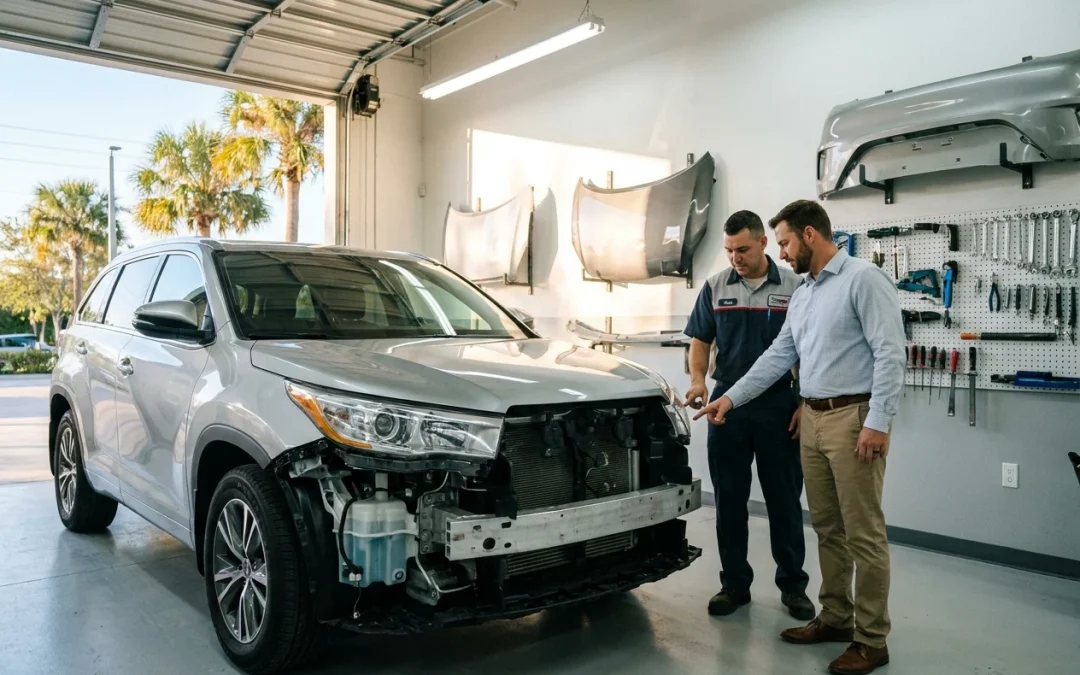
After a collision, the most obvious damage is often the easiest to spot. Dented panels, cracked lights, bent bumpers, and scratched paint can quickly draw attention, but modern vehicles are built with complex electronic systems and hidden structural components that may be affected even when the exterior damage appears minor.
Professional vehicle diagnostics play an important role in uncovering issues that cannot be confirmed through a visual inspection alone. By scanning onboard systems, interpreting fault data, and pairing digital findings with hands-on evaluation, technicians can identify hidden collision damage that may affect safety, drivability, and long-term vehicle reliability.
Why Hidden Damage Is Common After a Collision
Many vehicles are designed to absorb impact energy through carefully engineered crumple zones, brackets, sensors, modules, and mounting points. While this design helps protect occupants, it can also mean that collision forces travel beyond the visible point of impact. A bumper cover may spring back into shape, but the reinforcement bar, impact absorber, or sensor brackets behind it may still be damaged.
Hidden collision damage is especially common in low-speed impacts, rear-end collisions, side impacts, and parking lot accidents. In these situations, drivers may assume the vehicle is safe because it still starts, steers, and brakes normally. However, minor changes in alignment, sensor positioning, wiring connections, or control module communication can create problems that only become noticeable later.
Modern Vehicles Depend on Interconnected Systems
Today’s vehicles rely on networks of electronic control modules that communicate with one another to manage braking, steering, airbags, stability control, parking assistance, adaptive cruise control, blind spot monitoring, and other safety features. A collision can disrupt these systems without producing an obvious warning sign on the dashboard.
For example, a damaged wheel speed sensor may affect anti-lock braking and stability control. A shifted radar sensor may reduce the accuracy of driver assistance features. A pinched wiring harness may create intermittent faults that appear only under certain driving conditions. Professional diagnostics help reveal these issues before they lead to more serious concerns.

What Professional Diagnostic Scanning Can Reveal
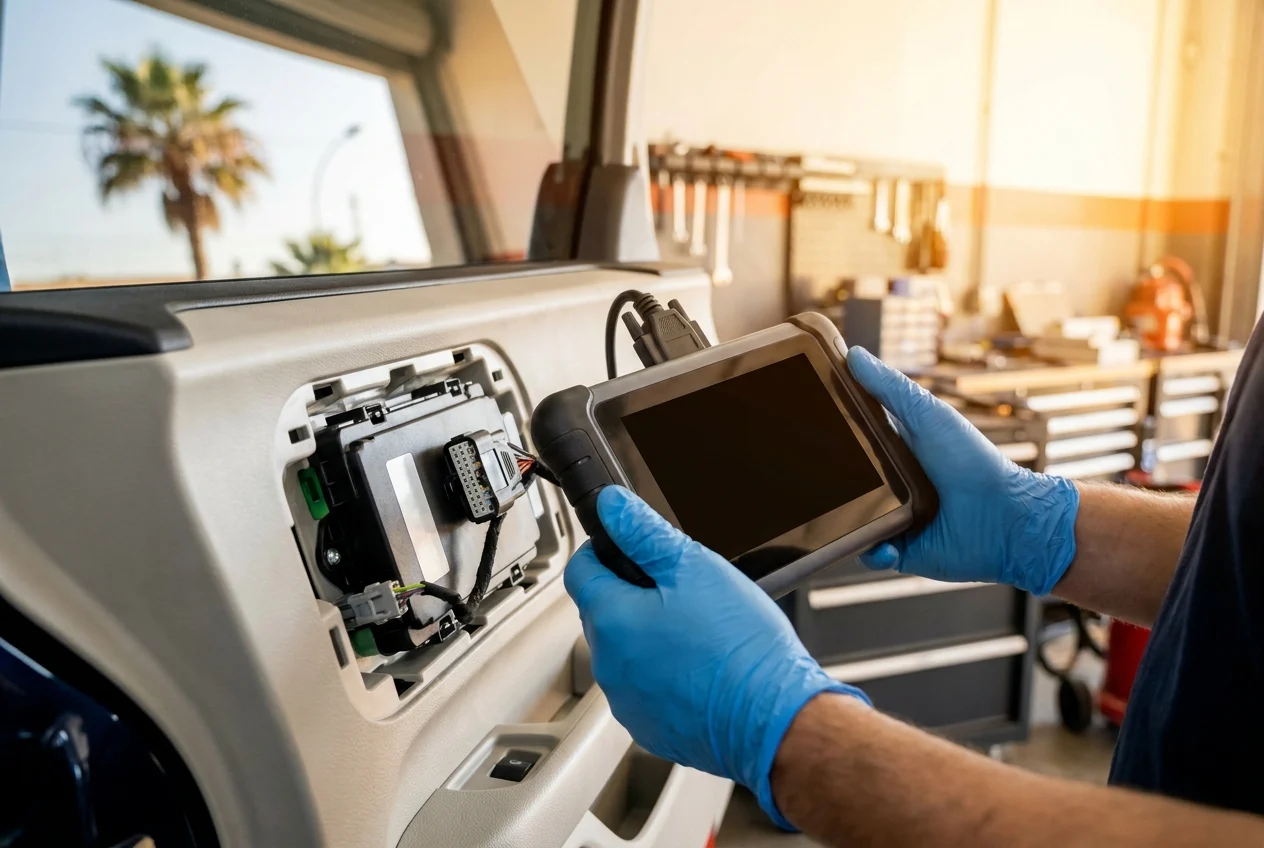
A professional diagnostic scan retrieves fault codes, system status data, and communication errors from the vehicle’s onboard computers. This information gives technicians a deeper look at how the vehicle’s electronic systems responded during and after the collision. Even if the check engine light or airbag light is not illuminated, stored codes may still be present in individual modules.
Diagnostic results can help identify problems related to airbag systems, seat belt pretensioners, braking systems, steering angle sensors, parking sensors, cameras, radar units, lighting circuits, battery management systems, and powertrain controls. These findings allow repair professionals to understand whether the collision affected safety-critical components that may not be visible during a standard inspection.
Pre-Repair and Post-Repair Scans Serve Different Purposes
A pre-repair diagnostic scan is performed before repairs begin. It helps create a clearer picture of the vehicle’s condition after the collision and can support a more accurate repair plan. This step is important because some damaged systems may not be related to visible body damage, yet they may still require attention to restore the vehicle properly.
A post-repair diagnostic scan is performed after repairs are completed. It helps confirm that fault codes have been addressed, modules are communicating correctly, and electronic systems are operating as expected. In many modern vehicles, this step may also be followed by calibration procedures for cameras, radar sensors, steering angle sensors, or advanced driver assistance systems.
Key Areas Diagnostics Can Help Evaluate After an Accident
Hidden collision damage can affect several vehicle systems at once. A professional diagnostic process helps technicians narrow down where problems may exist, then compare scan data with physical inspection findings. This combination is especially important because a fault code may point to a system problem, while the actual cause may be a damaged connector, shifted bracket, broken mounting tab, or compromised wiring behind a panel.
Airbag and Occupant Safety Systems
Airbag systems are among the most important areas to evaluate after a collision. Even if airbags did not deploy, the supplemental restraint system may have recorded crash data, sensor faults, seat belt pretensioner issues, or communication errors. These systems rely on impact sensors, seat occupancy sensors, control modules, seat belt components, and wiring that must all function correctly during a future collision.
A diagnostic scan can reveal whether the airbag control module detected an impact event or whether any components are outside normal operating range. Technicians may also inspect related wiring, connectors under the seats, sensor mounting locations, and seat belt assemblies to ensure the system has not been compromised.
Advanced Driver Assistance Systems
Advanced driver assistance systems, often called ADAS, can be affected by even small changes in sensor position. Features such as forward collision warning, lane keeping assistance, adaptive cruise control, blind spot detection, automatic emergency braking, rear cross traffic alert, and parking assistance depend on cameras, radar sensors, ultrasonic sensors, and control modules being correctly positioned and calibrated.
A minor bumper impact can shift a radar sensor behind the bumper cover. A windshield replacement after a collision may require camera calibration. A side impact may affect blind spot sensors or their mounting brackets. Professional diagnostics can identify faults in these systems and help determine whether calibration or component replacement is needed.
Braking, Stability, and Steering Systems
Collision forces can affect braking and steering components even when the vehicle feels normal during a short drive. Wheel speed sensors, steering angle sensors, yaw rate sensors, electronic stability control systems, anti-lock braking systems, and electric power steering components all rely on accurate data to help the vehicle respond safely.
For example, if a wheel speed sensor wire is stretched or damaged during an impact near the wheel well, the anti-lock braking system may store a fault.
Lighting, Parking, and Visibility Systems
Modern lighting systems are often controlled by modules rather than simple switches and bulbs. Headlights, tail lights, turn signals, fog lights, adaptive headlights, and daytime running lights may all communicate through electronic control units.
Parking sensors, backup cameras, surround view cameras, and proximity warning systems are also vulnerable during low-speed impacts. A bumper cover may look only lightly scuffed, but a sensor behind it may be cracked, misaligned, or disconnected.
How Technicians Combine Scan Data With Physical Inspection
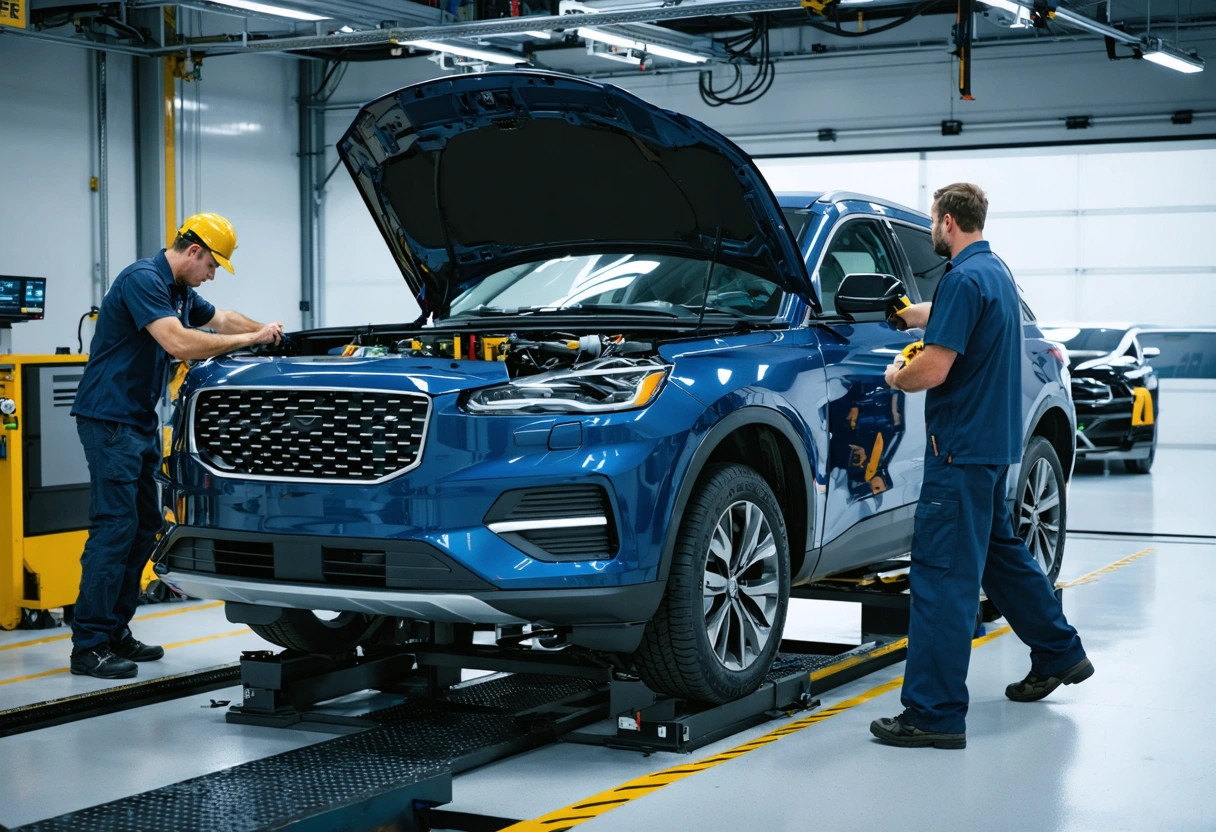
Diagnostic scanning is powerful, but it is not a complete inspection by itself. Fault codes tell technicians where the vehicle has detected an abnormal condition, but they do not always explain the exact cause.
For instance, a scan may show a fault related to a front radar sensor. The technician then needs to inspect the radar unit, mounting bracket, bumper reinforcement, wiring harness, and calibration requirements.
Fault Codes Must Be Interpreted Correctly
Not all diagnostic trouble codes mean a part has failed. Some codes are caused by low battery voltage, disconnected components during repair, damaged wiring, software communication issues, or sensor misalignment.
This interpretation matters because replacing parts without confirming the cause can lead to unnecessary repairs and unresolved problems. A code for a sensor circuit, for example, may be caused by corrosion in a connector, a broken wire inside insulation, or a control module communication fault.
Live Data Can Show Problems That Codes Do Not
Some collision-related problems may not immediately set a fault code. In these cases, live data can be useful. Live data allows technicians to view sensor readings and system responses in real time.
If one wheel speed sensor shows a reading that differs from the others, or if a steering angle sensor does not return to center correctly, the technician may identify an issue before a warning light appears.

The Role of Calibration After Collision Repairs
Calibration is a critical step for many modern vehicles after collision repairs. When sensors, cameras, bumpers, windshields, suspension parts, steering components, or control modules are repaired or replaced, certain systems may need to be recalibrated according to manufacturer procedures.
Calibration may be static, dynamic, or both. Static calibration is typically performed in a controlled shop environment using targets, measuring equipment, and specific setup procedures.
Why Sensor Position Matters
ADAS sensors and cameras are designed to operate within precise tolerances. A camera that is slightly off angle may misread lane markings. A radar sensor that is aimed incorrectly may detect vehicles inaccurately.
Because these systems support driver awareness and collision avoidance, proper calibration is not simply a convenience. It is part of restoring the vehicle’s safety functions.
Hidden Structural Damage and Electronic Symptoms
Structural damage does not always show up as obvious panel gaps or visible frame distortion. Sometimes the signs appear through electronic symptoms. A damaged mounting point can change sensor alignment.
Professional diagnostics can help connect these symptoms to possible structural concerns. If multiple sensors in one area show faults after an impact, technicians may inspect the surrounding structure more closely.
Electrical Damage Can Be Difficult to See
Wiring harnesses often run behind bumpers, fenders, doors, rocker panels, dashboards, and interior trim. During a collision, wiring can be pinched, stretched, cut, or exposed to moisture.
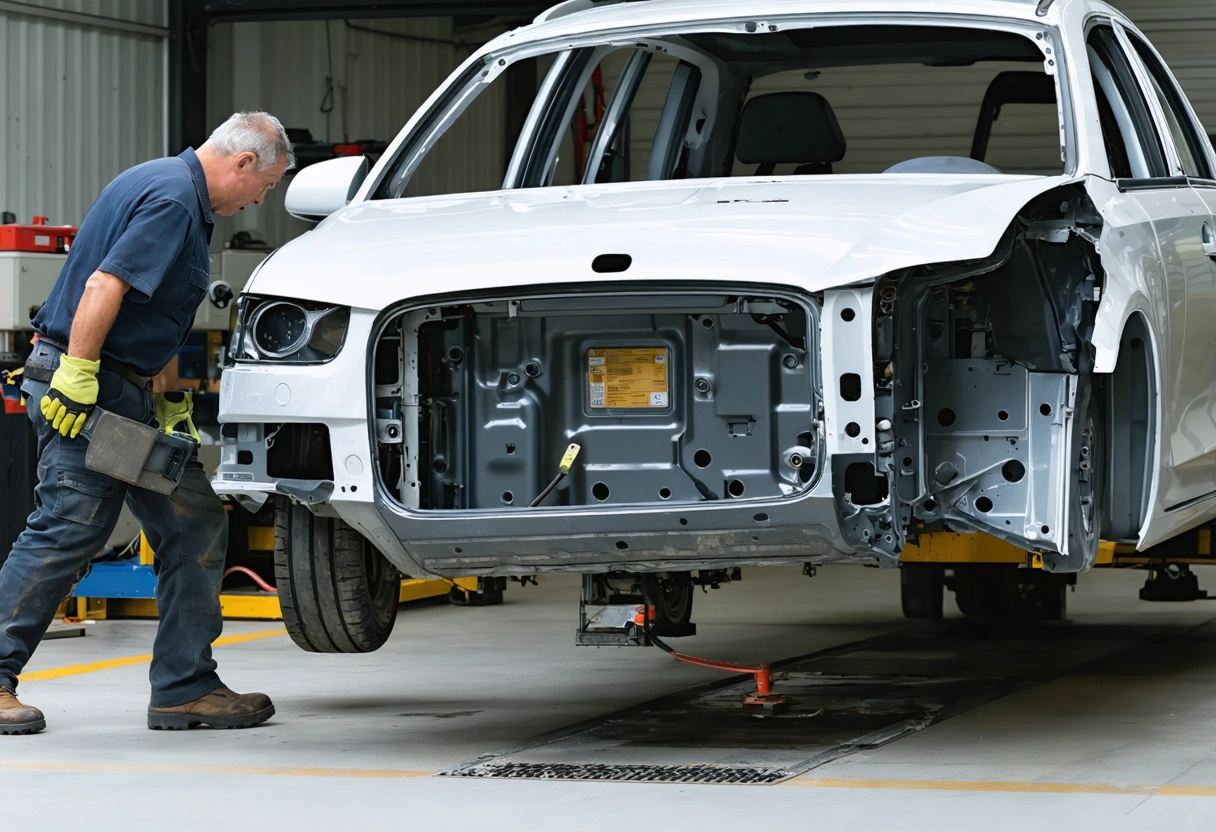
Diagnostic testing can identify open circuits, short circuits, high resistance, and communication failures. When paired with connector inspections and circuit testing, diagnostics help locate the damaged area more efficiently and reduce the chance of future electrical problems.
Why WarningWhy Warning Lights Are Not the Only Sign of Damage
Many drivers assume that if no warning lights are on, the vehicle must be operating normally. However, some systems may store history codes without turning on a dashboard light.
In some cases, a warning light may turn on briefly and then disappear, leaving the driver unaware that a fault was recorded. Professional diagnostic scans can access stored and pending codes that may not be visible to the driver.
Small Symptoms Can Point to Larger Problems
After a collision, drivers should pay attention to changes in how the vehicle behaves. Unusual steering feel, delayed sensor alerts, inconsistent parking assist operation, flickering lights, unexpected braking warnings, new noises, or intermittent dashboard messages can all point to hidden damage.
These symptoms may seem minor at first, but they can help guide the diagnostic process. When technicians know what the driver has noticed, they can compare those observations with scan data, live readings, and physical inspection results to locate the source of the problem more accurately.
Need help with How Professional Vehicle Diagnostics Help Identify Hidden Collision Damage?