

After a serious car accident, one of the biggest questions is whether the vehicle will be repaired or declared a total loss. The answer affects how much the insurance company pays, whether you keep the vehicle, and how quickly you can get back on the road.
Insurance companies do not make this decision based on appearance alone. A car that looks badly damaged may still be repairable, while a vehicle with hidden structural, electrical, or safety system damage may be considered uneconomical to fix.
What Insurers Look at After a Vehicle Damage Claim
When an insurance company evaluates a damaged vehicle, it starts by estimating the cost to restore the car to its pre-accident condition. This estimate usually includes visible body damage, mechanical repairs, frame or structural work, paint, parts, labor, diagnostic scans, taxes, and other related costs.
The insurer also determines the vehicle’s actual cash value, often called ACV. This is the estimated market value of the vehicle immediately before the accident, not the original purchase price or the amount still owed on a loan.
Once the repair estimate and actual cash value are established, the insurer compares them using state law, company guidelines, and the vehicle’s salvage value. Salvage value is the amount the damaged vehicle could be sold for in its current condition.
Why a Vehicle’s Appearance Can Be Misleading
Cosmetic damage can make a car look worse than it is, especially when bumpers, fenders, doors, and lights are visibly damaged. In some cases, these parts can be replaced without affecting the core safety structure of the vehicle.
On the other hand, some serious damage is not obvious at first glance. A relatively modest collision can affect frame alignment, suspension components, battery systems in hybrid or electric vehicles, or advanced safety technology.
The Role of Total Loss Thresholds and Repair Costs
A total loss threshold is the point at which an insurer determines that repairing the vehicle is not financially reasonable. Some states set a specific percentage of the vehicle’s actual cash value, while others use a formula that considers repair cost plus salvage value.
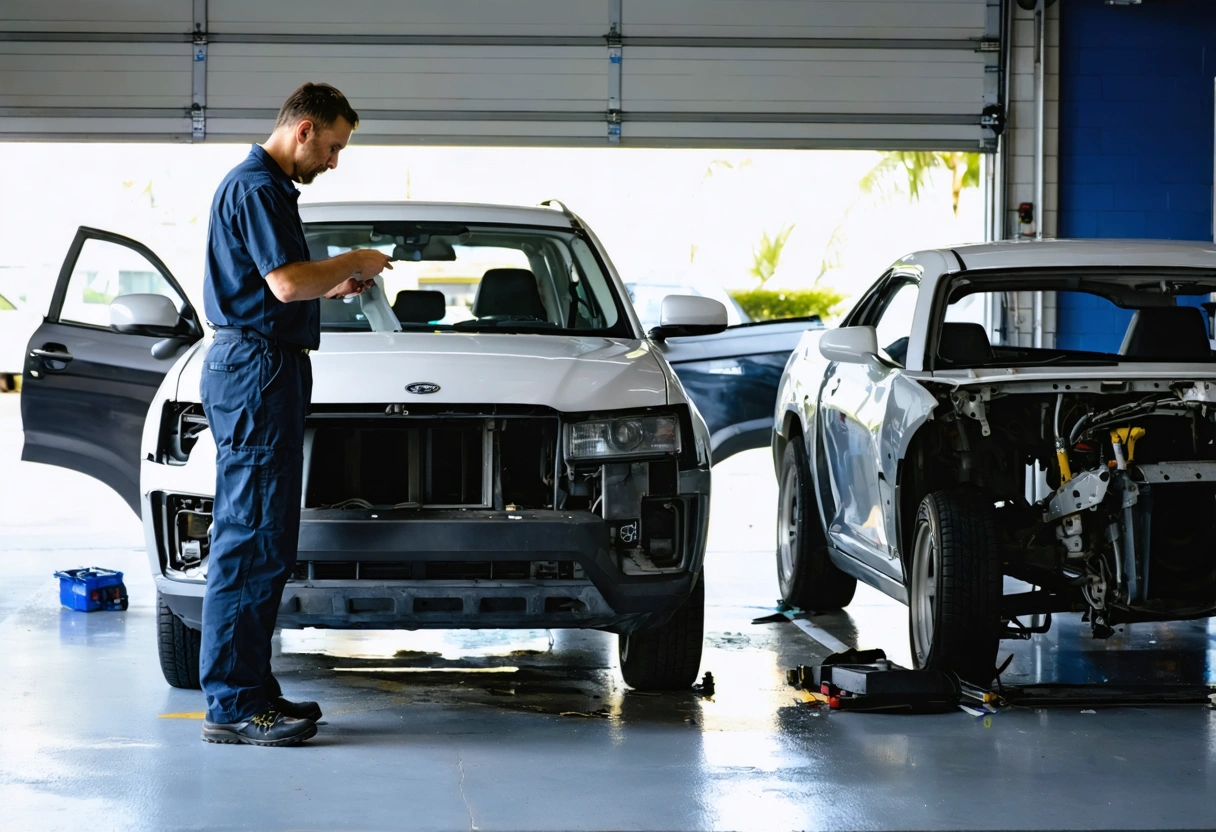
For example, if a state uses a percentage threshold, the insurer may compare the estimated repair cost to the vehicle’s pre-accident value. If the repair estimate reaches or exceeds that percentage, the vehicle may be declared a total loss.
Repair costs can also change as the claim develops. An initial estimate is often based on a visual inspection, photos, or a limited review. After the vehicle reaches a repair facility, the shop may discover additional damage and submit a supplement to the insurance company.
How Actual Cash Value Is Calculated
The actual cash value of a vehicle is one of the most important numbers in a total loss decision. Insurers typically begin with valuation tools, market data, dealership listings, auction information, and comparable vehicle sales.
Because small details can affect value, it is important to review the valuation report carefully. A vehicle with a premium sound system, upgraded wheels, towing package, advanced safety package, or higher trim level may be worth more than a base model.
Condition adjustments can also reduce or increase the valuation. An insurer may subtract value for prior dents, worn tires, interior damage, rust, mechanical problems, or previous accident history.
What Actual Cash Value Does Not Include
Actual cash value is not the same as replacement cost in the practical sense of buying another vehicle from a dealer. It usually does not automatically include dealer markups, extended warranties, aftermarket service contracts, financing costs, or the inconvenience of shopping for a replacement.
Actual cash value also does not depend on the remaining loan balance. If a driver owes more on the vehicle than it is worth, the insurer may still base the settlement on the pre-accident market value.

How Salvage Value Affects the Decision
Salvage value is the estimated amount the damaged vehicle can be sold for after the accident. Even a heavily damaged vehicle may still have valuable parts, including the engine, transmission, wheels, electronics, body panels, catalytic converter, or battery components.
In states that use a total loss formula, salvage value can be a major factor. For instance, if the repair estimate plus salvage value is greater than the vehicle’s actual cash value, the insurer may determine that it is a total loss.
Salvage value also matters if the owner wants to keep the vehicle after it is declared a total loss. In many cases, the insurer will deduct the salvage value from the settlement and allow the owner to retain the damaged vehicle, subject to state title rules and policy terms.
Repairable Damage: When the Insurer Approves Fixing the Vehicle
If the estimated repair cost remains below the applicable total loss threshold, the insurance company may approve repairs. This does not always mean the vehicle only has minor damage.
Approved repairs may include body work, paint, part replacement, mechanical work, alignment, calibration, and post-repair diagnostics. For newer vehicles, a complete repair may require more than replacing damaged panels.
When the vehicle is repairable, the insurer may pay the repair facility directly, issue payment to the owner, or include a lienholder on the payment if there is an active loan.
Original Equipment Parts and Aftermarket Parts
One issue that often arises in repairable claims is whether the estimate uses original equipment manufacturer parts, aftermarket parts, recycled parts, or reconditioned parts. Original equipment parts are made by or for the vehicle manufacturer.
Insurance policies and state laws often determine what parts may be used. Some policies allow aftermarket or recycled parts if they are considered like kind and quality.

Total Loss Settlements: What the Insurance Company Pays
When a vehicle is declared a total loss, the insurer generally offers the actual cash value of the vehicle, minus any applicable deductible if the claim is under the owner’s own policy.
If there is a loan or lease on the vehicle, the insurer may pay the lienholder first. If the settlement is higher than the payoff amount, the remaining balance goes to the owner.
For leased vehicles, the leasing company may have specific requirements for handling a total loss. The settlement may go directly to the leasing company, and the driver may need to review the lease agreement to understand any remaining obligations, fees, or coverage that applies.
Example of a Total Loss Settlement
Suppose a vehicle’s actual cash value is determined to be ,000 and the owner has a ,000 collision deductible. If the vehicle is declared a total loss under the owner’s collision coverage, the insurer may offer ,000 after the deductible.
If the loan payoff is ,000 instead, the ,000 insurance payment would not fully satisfy the loan. Without gap coverage, the owner may still owe the lender the remaining ,000.
What Happens if You Want to Keep a Totaled Vehicle
Some owners want to keep a totaled vehicle because it has sentimental value, because they believe it can be repaired for less, or because they want to use it for parts.
If the insurer allows owner retention, it will usually deduct the salvage value from the total loss settlement. For example, if the vehicle’s actual cash value is $12,000 and the salvage value is $2,500, the insurer may pay $9,500 before any deductible or other adjustment, and the owner keeps the damaged vehicle.
Keeping a totaled vehicle can create additional complications. The title may be branded as salvage, rebuilt, or another designation depending on the state. The vehicle may need to pass inspections before it can be legally driven again.

Disputing a Total Loss Decision or Valuation
A vehicle owner may disagree with the insurer’s decision in two different ways. First, the owner may believe the vehicle should be repaired instead of declared a total loss.
To challenge the decision or valuation, start by requesting the complete estimate, valuation report, comparable vehicles used, condition adjustments, and salvage calculation if applicable. Review the year, make, model, trim, mileage, options, and pre-accident condition listed in the report.
Useful evidence may include recent maintenance records, receipts for new tires or major repairs, photos showing the vehicle’s condition before the accident, window stickers, dealer listings for comparable vehicles, and independent appraisals.
Using the Appraisal Clause
Some auto insurance policies include an appraisal clause for disputes over the amount of loss. This process usually allows the policyholder and insurer to each choose an appraiser.
The appraisal clause is generally used for valuation disputes, not for deciding coverage questions or fault. Before invoking it, the policyholder should read the policy carefully, consider the potential cost, and understand whether the amount in dispute justifies the process.
Why Supplemental Damage Can Change the Outcome
Damage estimates often evolve after repairs begin. A shop may discover bent structural components, damaged wiring, cracked brackets, leaking cooling parts, hidden suspension damage, or deployed safety components that were not visible during the first inspection.
A supplement does not automatically mean the claim was handled incorrectly. Initial estimates are often preliminary, especially when they are based on photos or an exterior inspection.
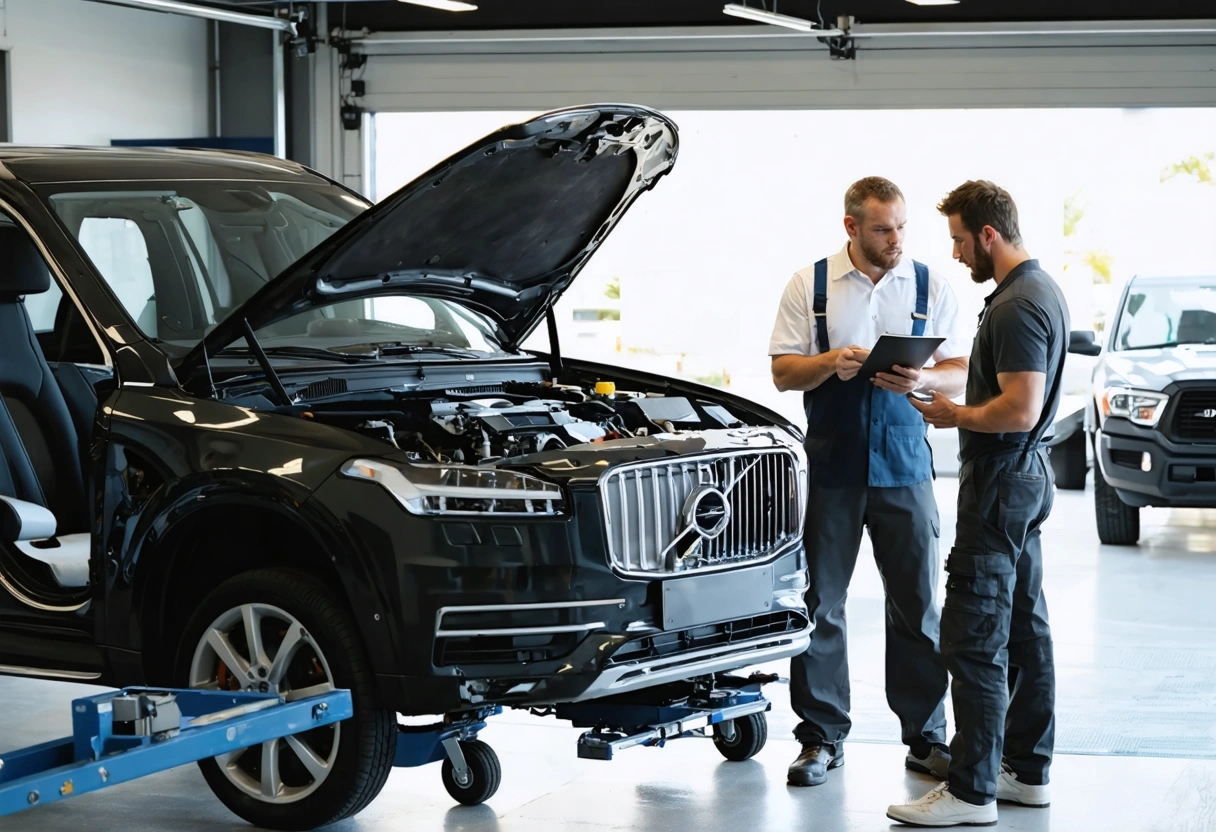
This can be frustrating if repairs have already started or if the owner expected to get the same vehicle back. It is important to stay in contact with the repair facility and insurer so you know whether the estimate is final, whether parts have been ordered, and whether additional damage could affect the total loss analysis.
Special Issues With Newer, Luxury, Hybrid, and Electric Vehicles
Newer and higher value vehicles can be more complicated to evaluate because repair procedures are often more specialized. Luxury vehicles may require expensive parts, brand specific repair methods, specialized materials, and certified technicians.
Hybrid and electric vehicles add another layer of complexity. Battery packs, high voltage wiring, cooling systems, and electronic control modules can be costly to inspect and replace.
Advanced driver assistance systems can also affect the claim. A bumper replacement may involve sensors, radar units, cameras, brackets, wiring, and calibration. If these systems are not repaired correctly, the vehicle may not perform as designed in a future emergency.
Practical Steps to Take After a Serious Vehicle Damage Claim
After a major accident, document the vehicle carefully if it is safe to do so. Take photos of all sides of the vehicle, the interior, odometer, airbags, damaged parts, and any personal property affected.
Ask the insurer whether the vehicle is being evaluated for repair or total loss, and request copies of all estimates and valuation documents. If the vehicle is at a tow yard or storage facility, act quickly because daily storage fees can grow fast.
If you disagree with the outcome, respond with specific evidence rather than general objections. Point out missing options, incorrect mileage, poor comparable vehicles, unreasonable condition deductions, or repair estimate concerns.
Need help with Total Loss vs. Repairable Damage: How Insurance Companies Decide?