After a collision, restoring your vehicle involves more than repairing dents and applying a fresh coat of color. The refinishing process must rebuild a durable protective surface that matches the vehicle’s original appearance while standing up to Florida’s intense sunlight, heat, humidity, rain, and airborne contaminants.
In Port Charlotte, choosing quality automotive paint refinishing can make a noticeable difference in how well a repair looks and how long it lasts. Proper preparation, accurate color matching, professional application, and controlled curing all help protect the repaired panels from fading, peeling, corrosion, and other premature damage.
Automotive Paint Serves as a Protective System
Vehicle paint is not simply a decorative outer layer. A modern automotive finish is a carefully engineered system that typically includes surface preparation materials, primer, color coat, and clear coat. Each layer performs a specific function, from promoting adhesion and covering repaired areas to providing color accuracy, gloss, and resistance to environmental exposure.
If any part of this system is rushed or applied incorrectly, the finish may look acceptable at first but develop problems later. Poor adhesion can cause peeling or flaking, inadequate coverage can leave repaired metal vulnerable, and an improperly applied clear coat may lose its gloss or fail to provide sufficient protection from ultraviolet radiation.
Surface Preparation Determines Paint Performance
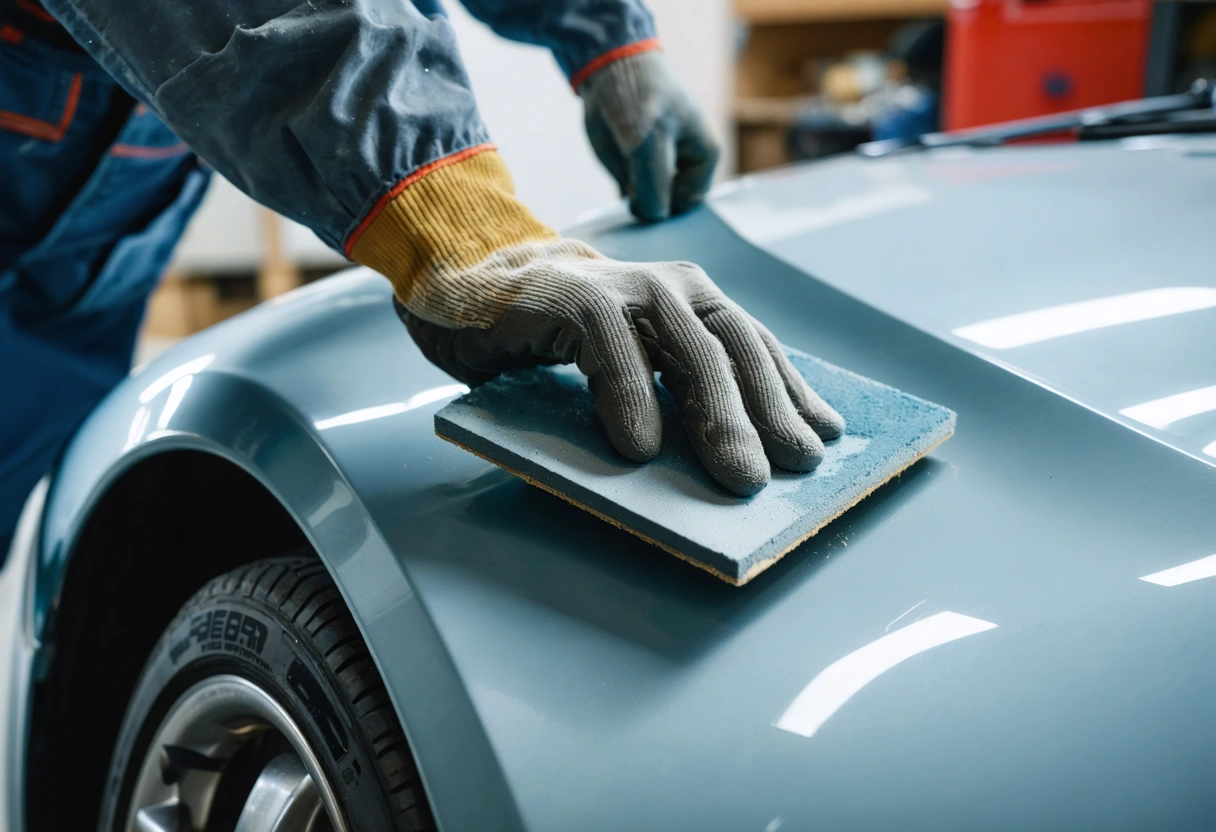
Professional refinishing begins before any color is sprayed. The repaired panel must be cleaned, shaped, sanded, and prepared so that primers and coatings can bond properly. Dust, oils, moisture, silicone residue, or uneven sanding can create visible defects and weaken the finished surface.
Collision repairs also require careful attention to bare metal, body filler, replacement panels, and adjoining factory finishes. These surfaces may need different preparation steps to produce a smooth, consistent foundation. Skipping those steps can lead to bubbling, cracking, texture differences, or outlines that become visible beneath the paint.
Clear Coat Protects Color and Gloss
The clear coat is the transparent outer layer that gives modern finishes much of their shine and depth. It also helps shield the color coat from sunlight, moisture, road grime, bird droppings, tree sap, and routine washing. A quality clear coat must be mixed, applied, and cured according to precise product requirements.
Insufficient clear coat coverage may leave the repaired area more susceptible to oxidation and fading. Excessive application or improper technique can create runs, uneven texture, trapped contaminants, or curing problems. Professional application helps achieve a balanced finish that looks refined and provides dependable protection.
Florida’s Climate Makes Refinishing Quality Especially Important
Southwest Florida exposes vehicle finishes to demanding conditions throughout the year. Strong sunlight can heat exterior panels quickly, while high humidity and frequent rain introduce persistent moisture. These conditions can accelerate the deterioration of a weak or poorly applied finish.
Quality paint refinishing accounts for these environmental stresses by using compatible materials and controlled application methods. When primers, base coats, and clear coats bond and cure correctly, the repaired surface is better prepared to resist fading, loss of gloss, moisture intrusion, and premature coating failure.
Ultraviolet Exposure Can Cause Uneven Fading
Florida’s abundant sunshine increases ultraviolet exposure, which gradually breaks down pigments and protective coatings. If a collision repair uses low quality materials or an insufficient clear coat, the refinished area may fade at a different rate than the surrounding factory paint. Over time, this can make the repair increasingly noticeable.
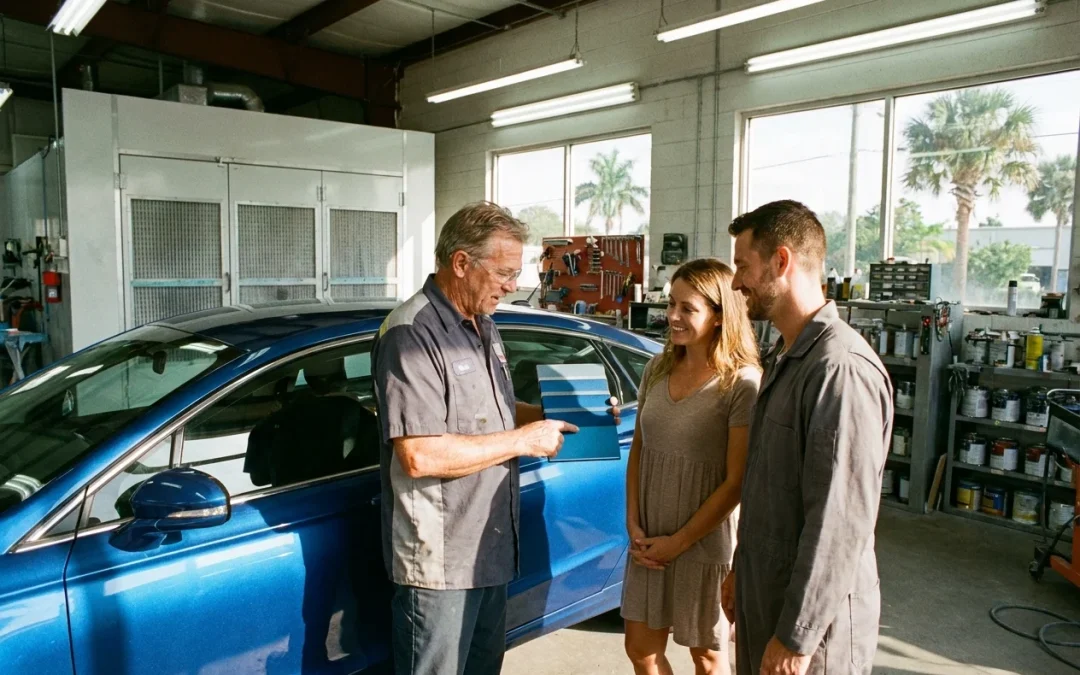
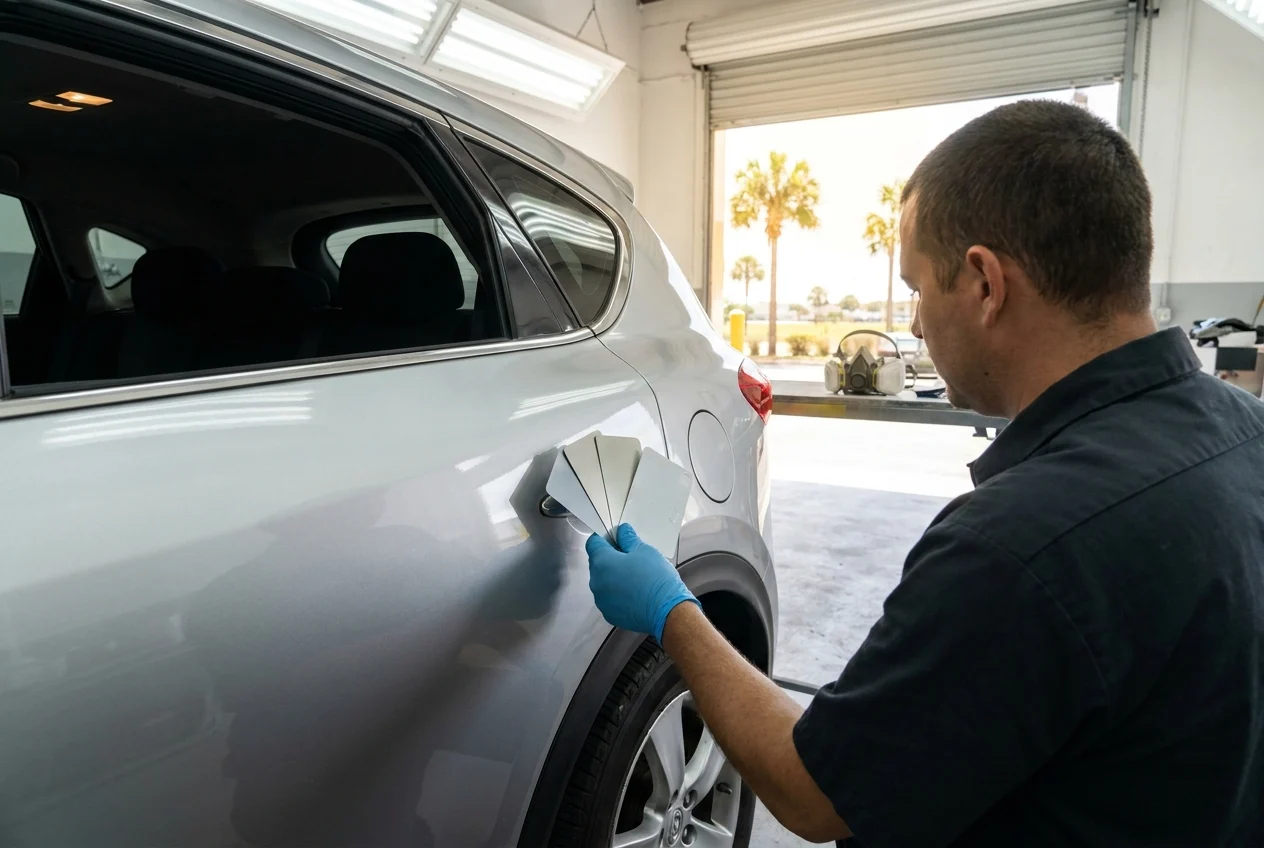
Accurate color matching also involves more than selecting a paint code. A vehicle’s existing finish may have changed slightly because of age, sun exposure, and previous repairs. Skilled refinish technicians evaluate these variables and may blend color into adjacent panels to create a smooth visual transition.
Humidity Can Magnify Application Problems
Moisture can interfere with adhesion and curing when refinishing is performed in an unsuitable environment. Excess humidity may contribute to cloudiness, bubbling, solvent related defects, or contamination if the surface, materials, and spray conditions are not properly managed.
A professional paint refinishing process uses controlled equipment and carefully monitored conditions to reduce these risks. Proper drying and curing are especially important because a finish that feels dry on the surface may not yet have developed the hardness and durability needed for Florida driving conditions.
Heat and Rapid Temperature Changes Stress the Finish
Vehicle panels can become extremely hot when parked in direct Florida sunlight. Heat causes metal, plastic, and coating layers to expand, while cooler evening temperatures or sudden rain can cause them to contract. A properly applied refinishing system is designed to tolerate these repeated changes without losing adhesion or flexibility.
Problems are more likely when incompatible products are combined, preparation is incomplete, or curing time is shortened. The finish may eventually crack, lift around panel edges, or develop a dull appearance. Plastic bumpers require particular care because their flexibility and material composition may call for specialized preparation products and application techniques.
Rain, Salt, and Contaminants Increase Corrosion Risk
Frequent rain can find its way into stone chips, scratches, seams, and areas where coating coverage is incomplete. Once moisture reaches exposed steel, corrosion can begin beneath the finish.
Port Charlotte drivers may also encounter salt in coastal air, along with road debris, insects, bird droppings, tree sap, and other contaminants. These substances can be especially damaging when they remain on a hot surface.
Professional Color Matching Preserves the Vehicle’s Appearance
One of the clearest signs of quality collision repair is a refinished area that does not stand out from the rest of the vehicle. Matching automotive paint can be complex because many colors contain metallic flakes, pearls, tinted layers, or other effects that change in different lighting conditions.
A paint code provides an important starting point, but manufacturers may have several variations of the same factory color. Production differences, vehicle age, exposure to sunlight, and previous refinishing can all affect the color that appears on the vehicle today.
Digital Tools Support Skilled Visual Evaluation
Professional repair facilities may use computerized paint databases, digital measuring equipment, spray test cards, and controlled lighting to develop an accurate formula. These tools improve consistency, but technician experience remains essential.
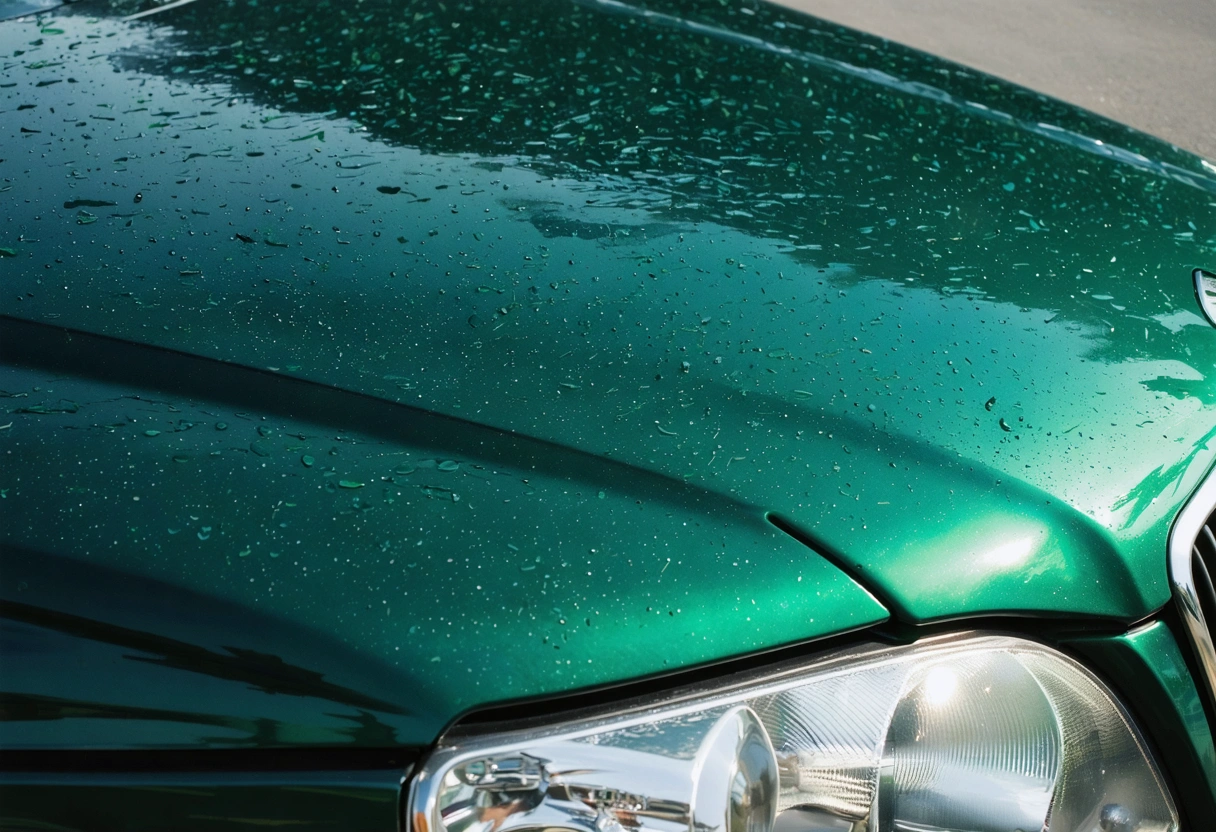
Metallic and pearl finishes require particularly precise spray technique. Air pressure, gun distance, application speed, and final orientation coats can affect how reflective particles settle.
Blending Helps Create a Seamless Transition
In some repairs, applying color only to the damaged panel can leave a visible difference at the panel edge. Blending gradually transitions the new color into an adjacent panel so the eye does not detect an abrupt change.
Blending is not a shortcut for poor color matching. It is a professional technique used to accommodate subtle variations that may be noticeable when panels meet directly.
A Controlled Refinishing Process Reduces Defects
Automotive refinishing requires a clean, well managed environment. Airborne dust, uncontrolled airflow, moisture in compressed air, and temperature fluctuations can affect the final result. Professional spray equipment and refinishing areas help technicians manage these variables while applying coatings safely and consistently.
Cleanliness Matters at Every Stage
Small particles can become trapped in primer, color, or clear coat and create bumps or other imperfections. Contamination from wax, grease, silicone, or cleaning products can cause craters commonly called fisheyes.
Masking also protects glass, trim, wheels, interior surfaces, and panels that are not part of the repair. Proper panel preparation and masking create cleaner paint edges and help prevent unwanted overspray from settling elsewhere on the vehicle.
Mixing and Flash Times Must Follow Product Requirements
Automotive coatings are formulated to work within specific mixing ratios and application windows. Hardeners, reducers, activators, and other components must be selected and measured correctly for the product and refinishing conditions.
Coats also need appropriate flash time between applications so solvents can escape. Applying the next layer too quickly may trap solvents beneath the surface, while waiting too long can affect bonding in certain systems.
Proper Curing Builds Lasting Durability
Curing is the chemical process through which the finish develops its final strength and resistance. Professional equipment can maintain suitable temperatures and airflow to promote predictable curing.
A vehicle should not be rushed through this stage simply because the paint looks dry. Handling, polishing, assembling trim, or exposing the finish to harsh conditions too soon can leave impressions or interfere with final hardness.
Quality Refinishing Supports the Entire Collision Repair
A beautiful finish cannot compensate for incomplete structural or body repairs. Before refinishing begins, damaged panels must be repaired or replaced, corrosion must be addressed, and panel gaps and contours must be restored.
Refinishing also works closely with disassembly and reassembly. Removing certain handles, lamps, moldings, emblems, and trim pieces can provide better access and reduce hard paint lines.
Corrosion Protection Must Extend Beyond Visible Surfaces
Collision work can disturb factory corrosion protection on panel backs, seams, attachment points, and welded areas. Quality repair procedures may require seam sealer, cavity protection, primers, or other materials in locations that customers cannot easily see.
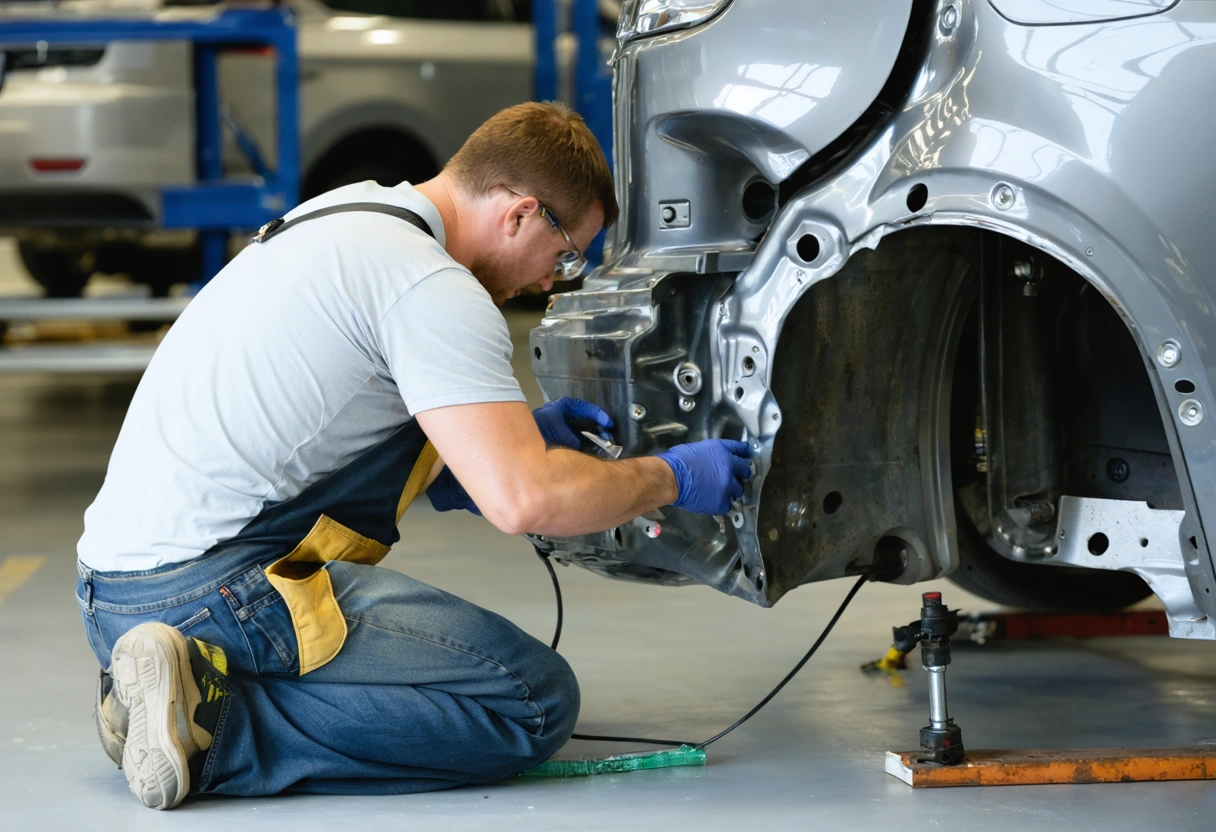
These hidden steps are important in Florida because persistent moisture can accelerate corrosion where bare metal is left exposed. Protecting both the exterior finish and concealed repair areas contributes to a more complete and durable restoration.
Warning Signs of Poor Paint Refinishing
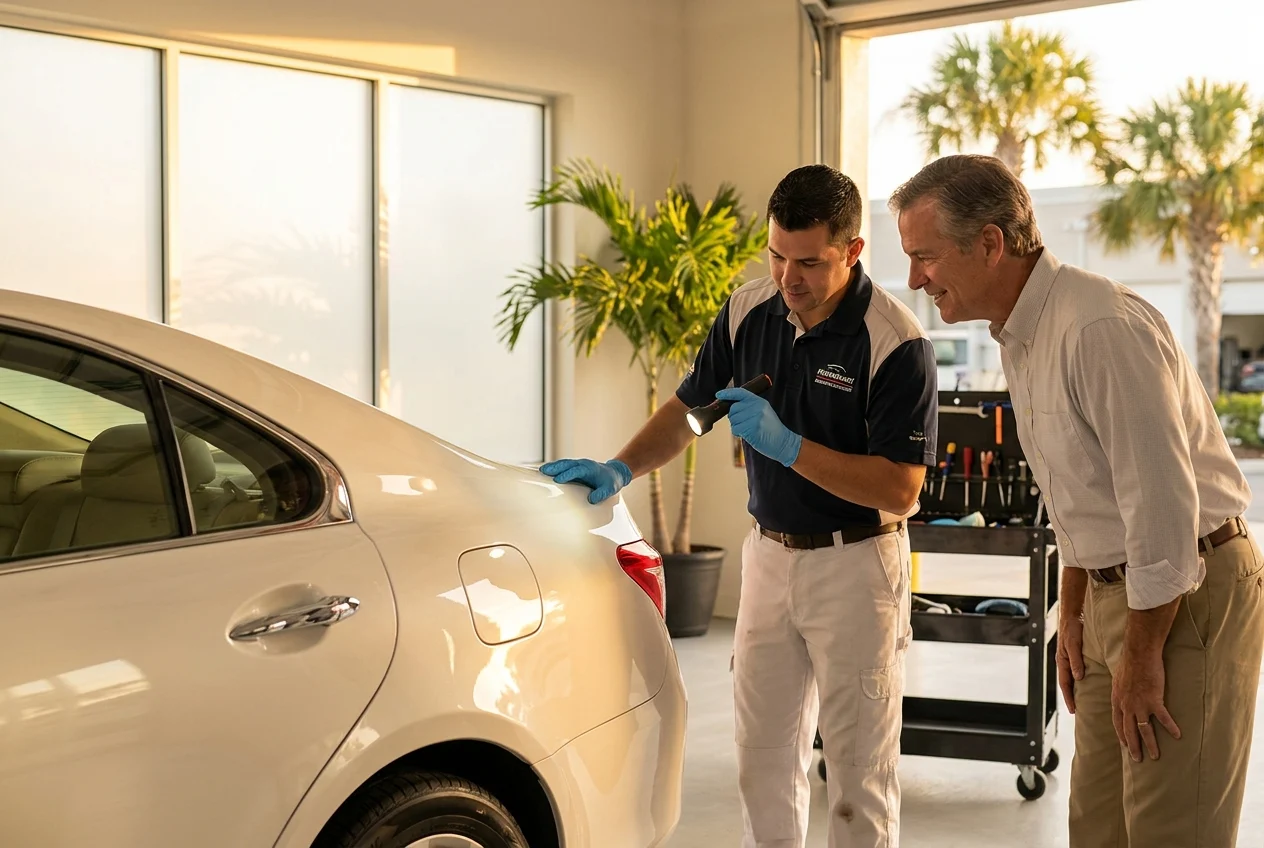
Some refinishing defects are visible immediately, while others develop after weeks or months of sun, rain, and washing. Inspecting the vehicle in good lighting from several angles can help identify concerns before leaving the repair facility.
Color or Gloss Differences
A repaired panel should coordinate naturally with adjacent panels. A strong color shift, inconsistent metallic appearance, noticeably dull surface, or abrupt transition may indicate a matching, blending, application, or polishing issue.
Uneven Texture, Runs, or Contamination
Automotive finishes naturally have some texture, often called orange peel, but the refinished surface should generally resemble the surrounding factory finish. Heavy texture, sagging paint, prominent dust particles, pinholes, or rough overspray may point to application or environmental problems.
Peeling, Bubbling, or Cracking
Peeling and flaking often indicate adhesion failure. Bubbling may be associated with trapped moisture, contamination, corrosion, or solvent problems. Cracking can result from excessive material thickness, incompatible products,insufficient flexibility, or movement in the underlying repair.
Early Fading or Loss of Shine
Premature chalking, fading, or dullness may indicate inadequate clear coat protection, improper curing, or unsuitable materials. A quality finish should retain consistent color and gloss when maintained correctly, even under demanding Florida conditions.
Need help with Why Quality Paint Refinishing Matters After a Collision in Florida’s Hot, Humid Climate?