
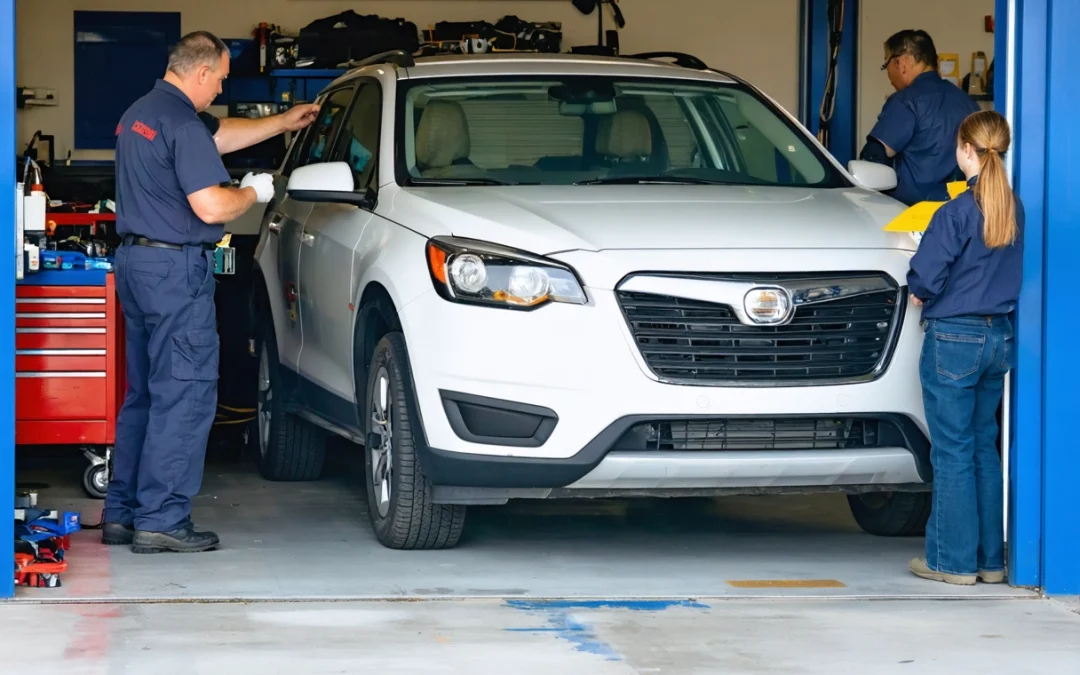
A minor fender bender may leave little more than a scratched bumper or a small dent, but visible damage does not always reveal the full condition of a vehicle. Modern cars rely on interconnected sensors, cameras, computers, and safety systems that can be affected even by a low speed impact.
Recognizing early warning signs can help drivers address hidden problems before they lead to unsafe handling, unreliable performance, or more expensive repairs. A professional diagnostic check combines electronic scanning with a physical inspection to identify issues that a quick visual assessment could miss.
Why Minor Collisions Can Cause Hidden Vehicle Damage
Bumpers are designed to absorb some impact energy, but the force of a collision can still travel into mounting brackets, body panels, suspension components, wiring, and electronic modules. A bumper cover may return to its original shape while the reinforcement bar, energy absorber, or nearby sensor mounts remain bent or cracked underneath.
Many newer vehicles also have advanced driver assistance systems located near common impact zones. Parking sensors, blind spot monitors, radar units, and exterior cameras can shift slightly without appearing damaged. Even a small change in sensor position may reduce accuracy or trigger intermittent system warnings.
Electronic Faults May Not Appear Immediately
A vehicle computer can store diagnostic trouble codes after an impact even when no dashboard light remains illuminated. Some alerts appear only when the vehicle reaches a certain speed, completes a self test, or encounters specific driving conditions. Professional diagnostic equipment can retrieve stored, pending, and history codes that provide clues about collision related faults.
Technicians can also review live data from sensors and control modules. This helps determine whether a component is communicating normally, reporting inaccurate information, or operating outside its expected range. Clearing a warning light without finding its cause does not resolve the underlying problem.
Warning Lights and Safety System Alerts
A newly illuminated check engine, airbag, antilock brake, traction control, or steering warning light deserves attention after a fender bender. The impact may have damaged a connector, loosened wiring, disturbed a wheel speed sensor, or created a fault within a related control module. Continuing to drive without diagnosis could leave an important system partially or completely unavailable.
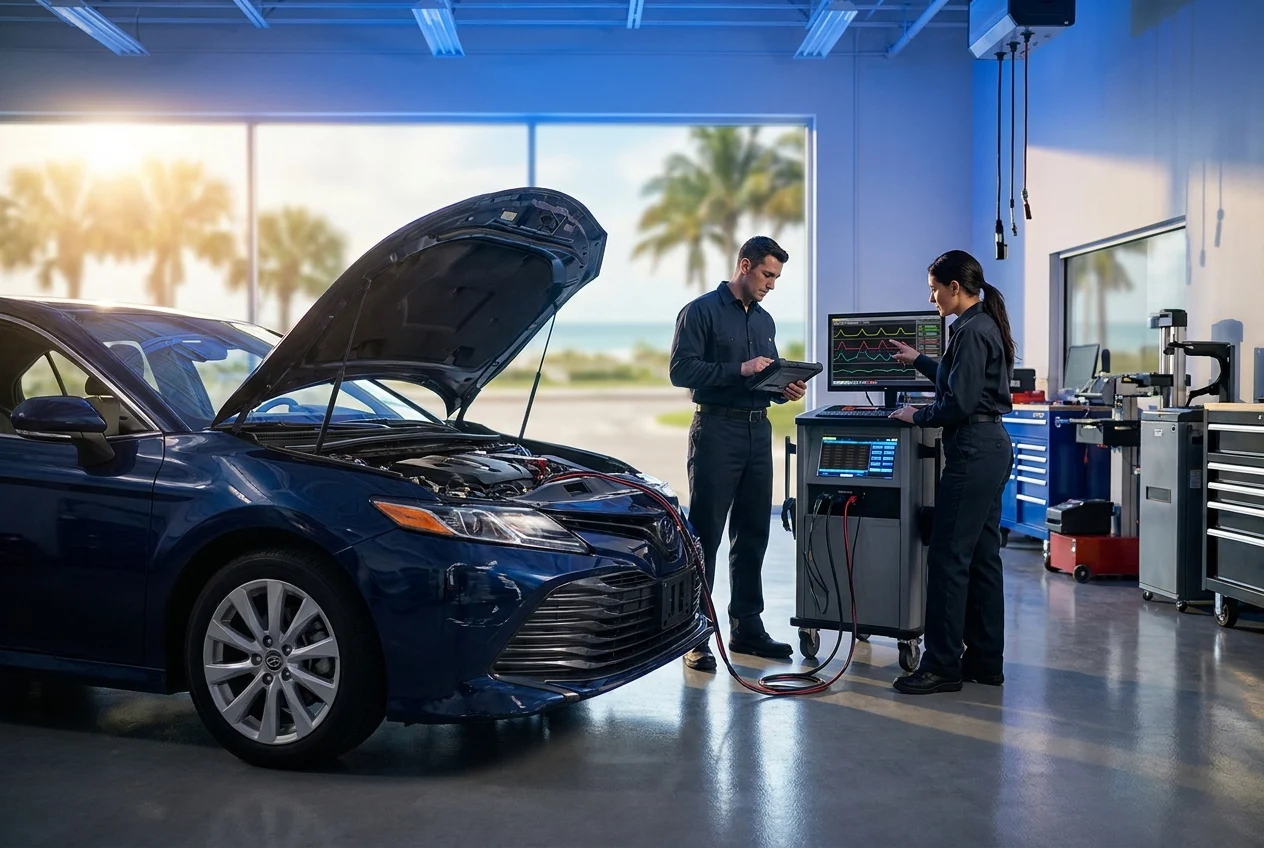
Drivers should also watch for messages stating that parking assistance, automatic emergency braking, lane support, blind spot monitoring, or collision avoidance features are unavailable. These notices can indicate blocked sensors, damaged wiring, misalignment, or a need for professional calibration.
Airbag and Restraint System Indicators
An airbag warning light is especially important because the supplemental restraint system includes more than the airbags themselves. Seat belt pretensioners, impact sensors, occupant detection components, and the restraint control module must communicate correctly for the system to operate as intended.
Even when no airbag deployed, a collision can store crash related information or affect a sensor connection. A qualified technician can scan the restraint system, inspect relevant components, and determine whether repairs or additional testing are necessary before the warning is cleared.
Changes in Steering, Handling, or Ride Quality
A vehicle that drives differently after a collision should receive a professional inspection, even if the impact occurred at low speed. Damage to a wheel, tire, tie rod, control arm, strut, or mounting point can affect handling without producing an obvious visual defect.
Common warning signs include pulling to one side, a steering wheel that no longer sits centered, increased vibration, unusual body movement, or difficulty maintaining a straight path. Uneven steering effort or a loose feeling through the wheel can also indicate damage that requires attention.
Alignment Problems After an Impact
A collision can alter wheel alignment when a tire strikes another vehicle, a curb, or roadside debris. Small changes in toe, camber, or caster may cause rapid tire wear and reduced stability. The vehicle may still be drivable, but its braking and cornering behavior may no longer be predictable.
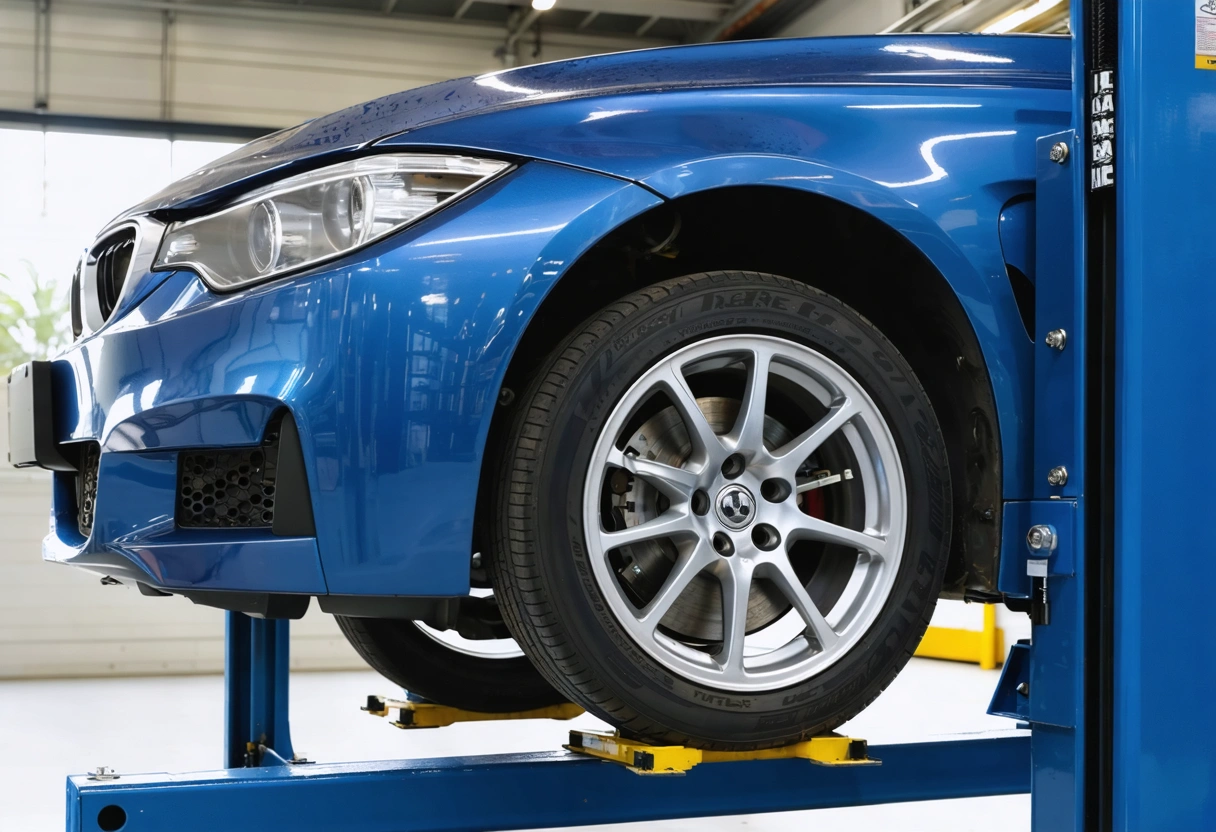
A professional alignment check measures wheel angles against manufacturer specifications. If the angles cannot be adjusted into the correct range, the technician may need to inspect for bent suspension parts, shifted mounting points, or structural damage.
New Vibrations at Certain Speeds
Vibration that appears only at certain road speeds can result from a bent wheel, internal tire damage, displaced wheel weights, or a damaged suspension component. Vibration during braking may point to a brake component or wheel assembly issue, while vibration during acceleration may involve an axle or drivetrain part.
Because several problems can create similar symptoms, diagnosis should include a road test and physical inspection rather than relying on assumptions. Continuing to drive with a damaged tire or wheel can increase the risk of sudden failure.
Unusual Noises Following the Collision
New rattles, clunks, scraping sounds, or squeaks should not be dismissed as harmless consequences of cosmetic damage. Loose bumper retainers, underbody panels, exhaust shields, and wheel well liners can move while the vehicle is in motion. Damaged parts may eventually detach or interfere with a tire, cooling fan, or other moving component.
Noises During Turns or Over Bumps
A clicking, popping, or clunking noise during turns can indicate damage to steering joints, axle components, strut mounts, or suspension bushings. Sounds that occur over bumps may come from a loose shock absorber, broken mounting bracket, or displaced body component.
The location of a sound can be misleading because vibration travels through the body and frame. A technician may use a lift, steering movement tests, and controlled road testing to identify the actual source.
Scraping or Rubbing Near a Wheel
Scraping near a wheel may mean that a fender liner, splash shield, brake backing plate, or body panel has shifted. A tire that rubs against damaged bodywork can lose its sidewall integrity over time. Any rubbing sound that changes with vehicle speed or steering angle should be inspected promptly.
Fluid Leaks, Odors, and Temperature Changes
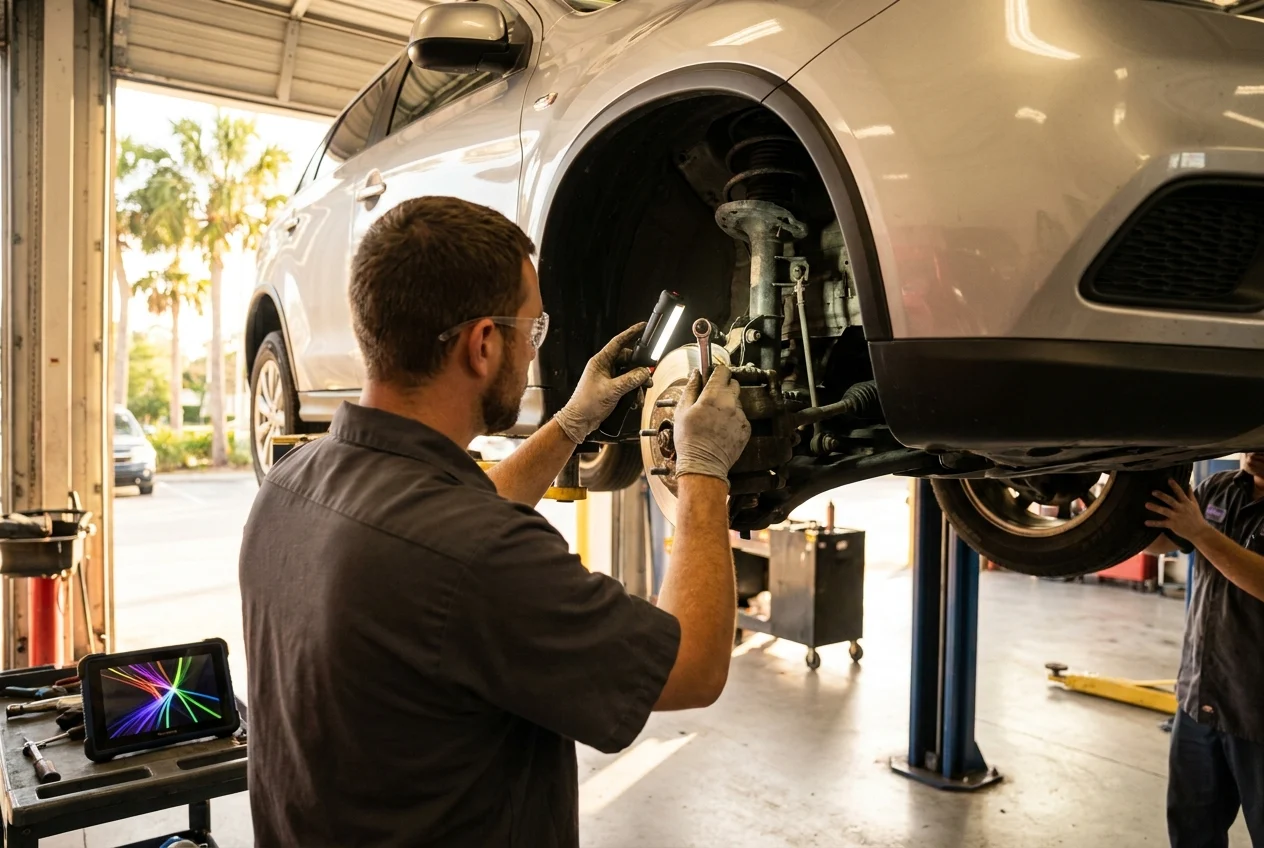
Fresh fluid beneath the vehicle after a collision can signal damage to the cooling system, brake system, power steering system, transmission, windshield washer reservoir, or air conditioning components. Fluid color alone may not identify the source reliably, especially when dirt and other residue are present.
A sweet odor may indicate coolant, while a sharp chemical smell may come from washer fluid or another automotive liquid. A burning odor can result from leaking fluid contacting a hot surface, damaged wiring, or plastic body material rubbing against the exhaust or a moving part.
Cooling System Concerns
Front impacts can affect the radiator, condenser, cooling fan, hoses, and support structure. Cracks may open only when the system becomes hot and pressurized, which means a leak might not appear immediately after the collision.
Warning signs include rising engine temperature, frequent cooling fan operation, reduced cabin heat, visible steam, or a low coolant message. An overheating engine should be shut off as soon as it is safe to do so because continued operation can cause severe engine damage.
Brake Fluid and Hydraulic Issues
A soft brake pedal, increased stopping distance, pulling during braking, or a brake warning light requires immediate attention. An impact near a wheel can damage a brake hose, caliper, line, or wheel speed sensor.
If braking feels abnormal, the vehicle should not be driven until it has been evaluated. Towing is the safer option when there is any doubt about brake function.
Problems With Doors, Trunk, Hood, or Body Panel Fit
Changes in panel gaps can reveal movement beneath the exterior surface. A hood, trunk lid, liftgate, or door that suddenly requires extra force to close may indicate a bent hinge, shifted latch, distorted opening, or displaced support structure.
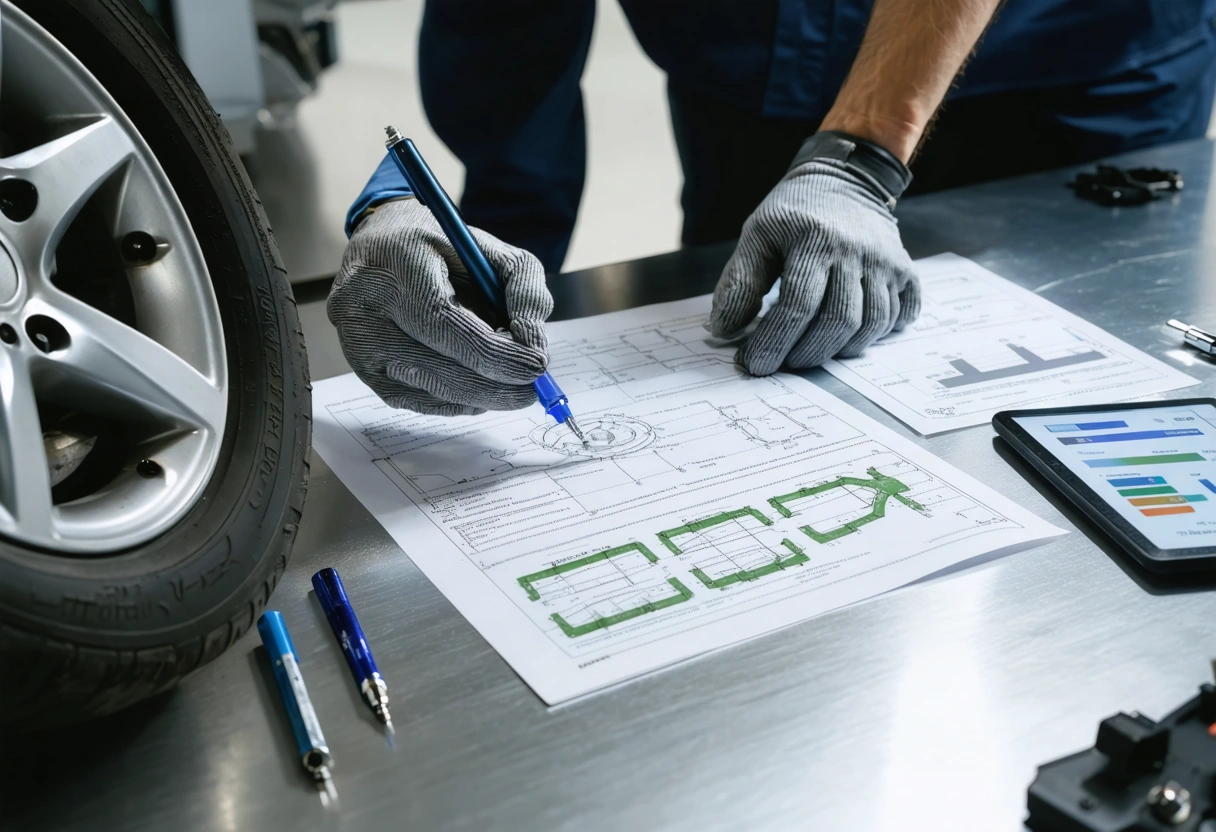
Uneven gaps around the bumper, headlights, taillights, or fenders can also suggest broken clips or hidden mounting damage. Water entering the cabin or cargo area after rain may result from damaged seals, cracked lamp housings, or a body opening that is no longer properly aligned.
Latch and Sensor Operation
Modern latches may contain switches that report whether a hood, door, or liftgate is closed. Collision damage can cause false open warnings, alarm activation, interior lights that remain on, or remote locking problems.
A hood that does not latch securely is a serious safety concern because it could open while driving. It should be inspected before the vehicle returns to normal road use.
Lighting, Camera, and Parking Sensor Malfunctions
Headlights and taillights can appear intact while their internal mounts are cracked. A light assembly that shifts during driving may aim incorrectly, allow moisture inside, or develop an intermittent electrical connection.
Parking sensors may produce constant tones, fail to detect nearby objects, or report obstacles that are not present. Rear and surround view cameras can display a distorted image, an incorrect guideline position, or a blank screen after wiring or mounting damage.
Why Sensor Calibration Matters
Advanced driver assistance components depend on precise position and orientation. A radar unit or camera may still communicate with the vehicle computer even though it no longer points in the correct direction.
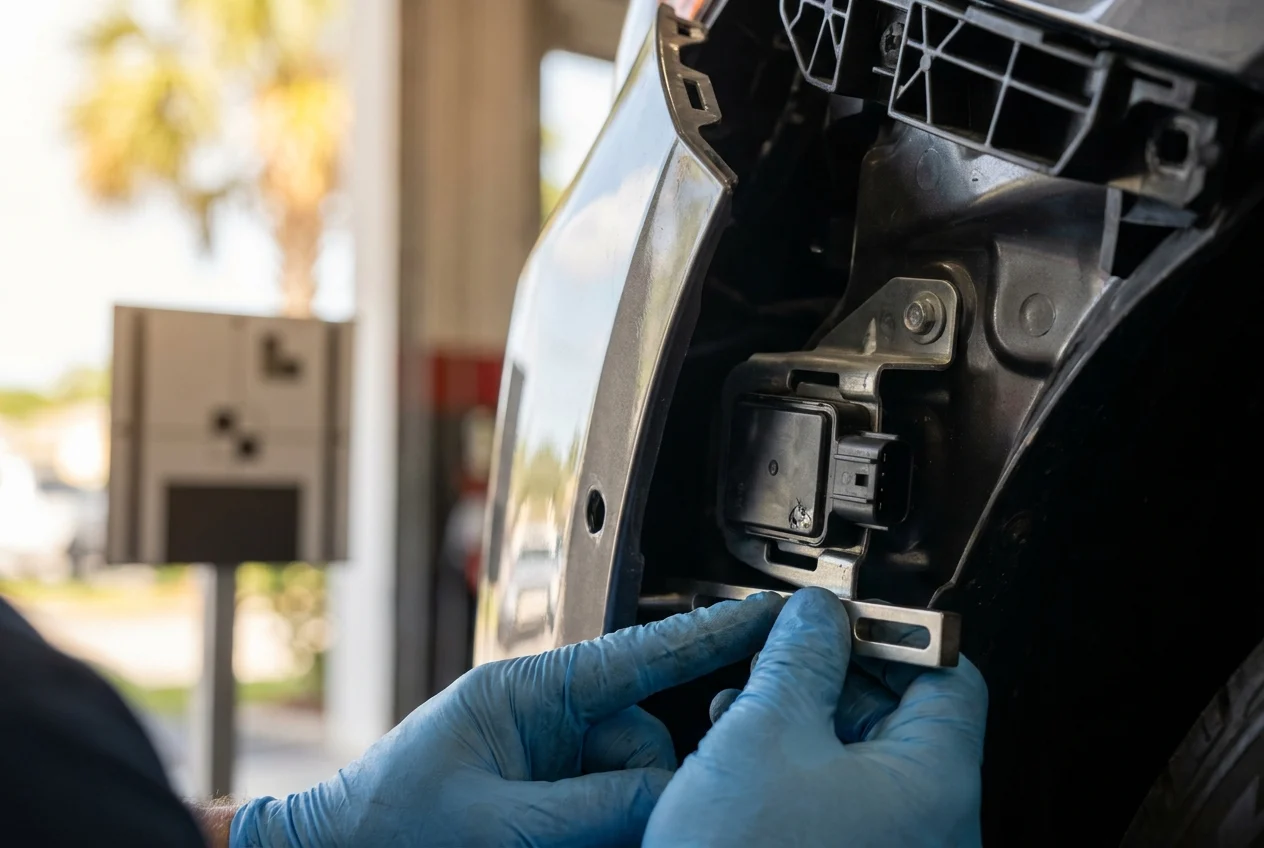
Calibration procedures can require level flooring, measured targets, specialized scan tools, correct tire pressure, and specific vehicle loading conditions. Depending on the system, calibration may be static in a service area, dynamic during a controlled drive, or a combination of both.
Replacing a bumper cover, windshield, grille, mirror, suspension component, or sensor bracket may create a need for calibration. The correct procedure depends on the vehicle manufacturer and the equipment installed.
Engine, Transmission, and Electrical Symptoms
Although a fender bender usually affects the exterior, impact forces can disturb grounds, connectors, battery mounts, air intake parts, and wiring harnesses. The vehicle may become difficult to start, stall unexpectedly, idle roughly, or respond slowly to acceleration.
Transmission warning messages, harsh shifting, or hesitation may occur if a connector or control component was affected. These symptoms should be documented and scanned promptly, especially if they began immediately after the collision.
Battery Drain and Intermittent Electrical Faults
A damaged wire may make contact only when the vehicle moves, vibrates, or becomes wet, causing intermittent faults that are difficult to reproduce. A loose battery terminal, damaged ground connection, or control module that fails to enter sleep mode can also drain the battery.
Technicians can test battery condition, charging output, parasitic current draw, circuit continuity, and module communication. Stored fault codes and network scan results can help locate electrical problems related to the impact.
Need help with Signs Your Vehicle Needs a Professional Diagnostic Check After a Fender Bender?