
A collision in Port Charlotte can trigger insurance deadlines, inspections, and negotiations while vehicle repairs and medical needs already demand attention. Florida law, policy terms, damage severity, and disputes about fault all affect the timeline. A minor property damage claim may move quickly, while injuries, multiple vehicles, or unclear liability can require months of investigation.
The First Steps After Reporting the Collision
The claim timeline generally begins when the crash is reported. Depending on the circumstances, this may involve notifying your insurer and opening a claim with the other driver’s carrier.
Prompt reporting allows insurers to inspect vehicles, confirm coverage, and preserve evidence. Provide accurate basic facts, including the date, location, vehicles involved, investigating agency, and reported injuries.
Initial Contact From the Adjuster
An adjuster may request a collision description, photographs, repair information, and the crash report. This contact usually begins the investigation rather than guaranteeing payment. Keep a log listing the date, representative, and summary of each conversation so you can track requests and unanswered questions.
Documents That Can Keep the Claim Moving
Useful records include scene and vehicle photographs, the driver exchange form, witness information, towing receipts, rental invoices, repair estimates, and insurer correspondence. Submit materials through a system that creates a record, such as email or an online portal, and retain copies. Missing or unreadable documents can cause repeated requests and delays.
How the Insurance Investigation Unfolds
After confirming the policy was active, the adjuster investigates the collision and applicable coverage. Evidence may include driver and witness statements, damage patterns, photographs, citations, video, and the crash report.
Liability decisions often take longer when accounts conflict or the crash involves an intersection, lane change, or chain reaction. Florida’s comparative fault rules may matter if several people contributed to the accident.
Vehicle Inspection and Repair Estimates
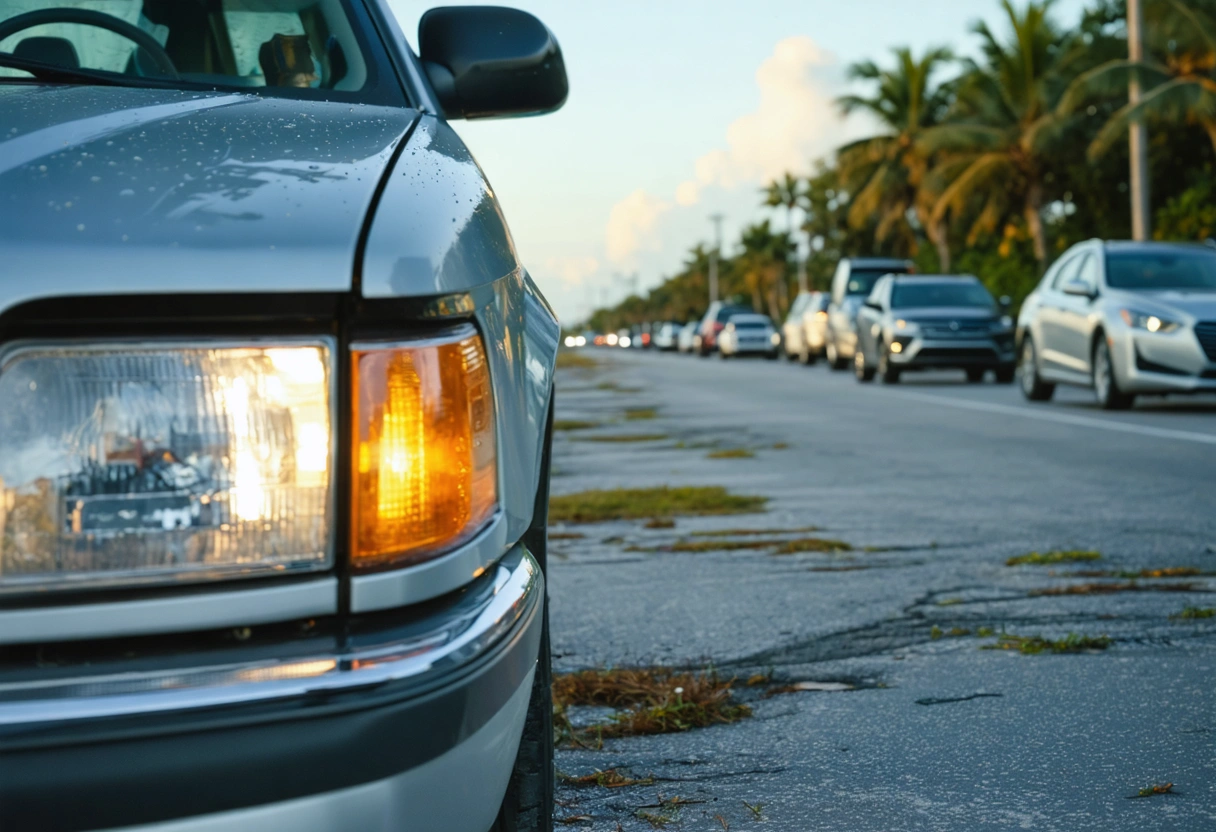
The insurer may inspect the vehicle in person, request photographs through an application, or obtain an estimate from a repair facility. If the vehicle is not drivable, address towing and storage promptly because daily charges accumulate.
An initial estimate may cover only visible damage. After disassembly, the shop may identify hidden damage and submit a supplemental estimate for approval.
When a Vehicle Is a Total Loss
If repair costs are high relative to value, the insurer may declare a total loss after reviewing the vehicle’s condition, mileage, options, and comparable sales. The process can take longer when ownership documents are missing, a lender holds a lien, or valuation is disputed.
Medical Treatment and No-Fault Benefits
The medical claim often follows a different schedule from vehicle damage. Florida generally requires registered vehicle owners to carry personal injury protection, commonly called PIP.
Florida law generally requires qualifying medical care within 14 days of the collision to obtain PIP benefits. Waiting beyond that period can create coverage problems even when symptoms are genuine.
How PIP Bills Are Reviewed
Providers may send bills directly to the PIP insurer, but policyholders should monitor the claim. The insurer may request treatment records, billing codes, proof connecting care to the crash, or information about health coverage.

PIP benefits are limited, and not every expense is paid fully. Available benefits can depend on the injury, deductible, and whether a qualified provider identifies an emergency medical condition.
Lost Income and Replacement Services
A PIP wage claim may require a medical disability note, employer verification, pay records, or tax documents for a self-employed claimant. Replacement services can include certain necessary household tasks the injured person cannot perform. Keep dated records describing each service, who performed it, and the amount paid.
Claims Against the At-Fault Driver
PIP does not resolve every loss. A claimant may pursue the at-fault driver’s liability coverage for property damage and, when Florida’s requirements are met, injury losses not addressed by PIP.
An insurer may accept fault without immediately valuing injuries. It commonly requests medical records, itemized bills, income documentation, and information about prior conditions that could affect causation.
Coverage Limits and Multiple Claimants
Available insurance can shape the timeline. When several people are injured, the carrier may evaluate all claims before distributing limited proceeds. Florida does not require every driver to carry bodily injury liability coverage in all circumstances. If adequate coverage is unavailable, the injured person’s uninsured or underinsured motorist coverage may become important.
Medical Improvement and Claim Valuation
Many injury claims are not valued for final settlement until the claimant reaches maximum medical improvement or receives a reasonably clear prognosis. A short course of therapy may be documented within months, while surgery, injections, or extended neurological care can require considerably longer.
From Demand Package to Settlement Negotiations
Once losses are documented, the claimant may submit a settlement demand containing evidence of fault, photographs, medical records, expenses, wage records, and an explanation of how the injuries affected daily activities.

The insurer may accept, reject, request more information, or counteroffer. Disputes often concern fault, whether treatment resulted from the collision, medical charges, preexisting conditions, future care, or effects on work and daily life.
Why the First Offer May Not End the Claim
An initial offer may reflect missing documentation, comparative fault, or a lower injury valuation. Any settlement must also account for policy limits and collectability. Significant damages do not guarantee sufficient insurance or assets to pay them fully.
Settlement Releases and Payment
An injury settlement usually requires a release ending the right to seek further compensation from identified parties, even if symptoms worsen. After signed documents are returned, the insurer processes payment. Hospital liens, health insurance reimbursement, Medicare requirements, child support obligations, or distribution disputes may cause additional delay.
Factors That Commonly Delay a Collision Claim
Disputed Fault or Coverage
If drivers disagree about right of way, the insurer may await reports, witnesses, video, or vehicle data. A carrier may also investigate whether the driver had permission, the policy was active, the vehicle was used for delivery or rideshare work, or an exclusion applies.
Repairs, Parts, and Medical Records
Back-ordered parts, shipping problems, supplemental estimates, and disagreements over replacement parts can delay repairs. Injury evaluations may stall while providers produce records or correct billing errors, duplicate charges, and coding problems.
Communication Gaps
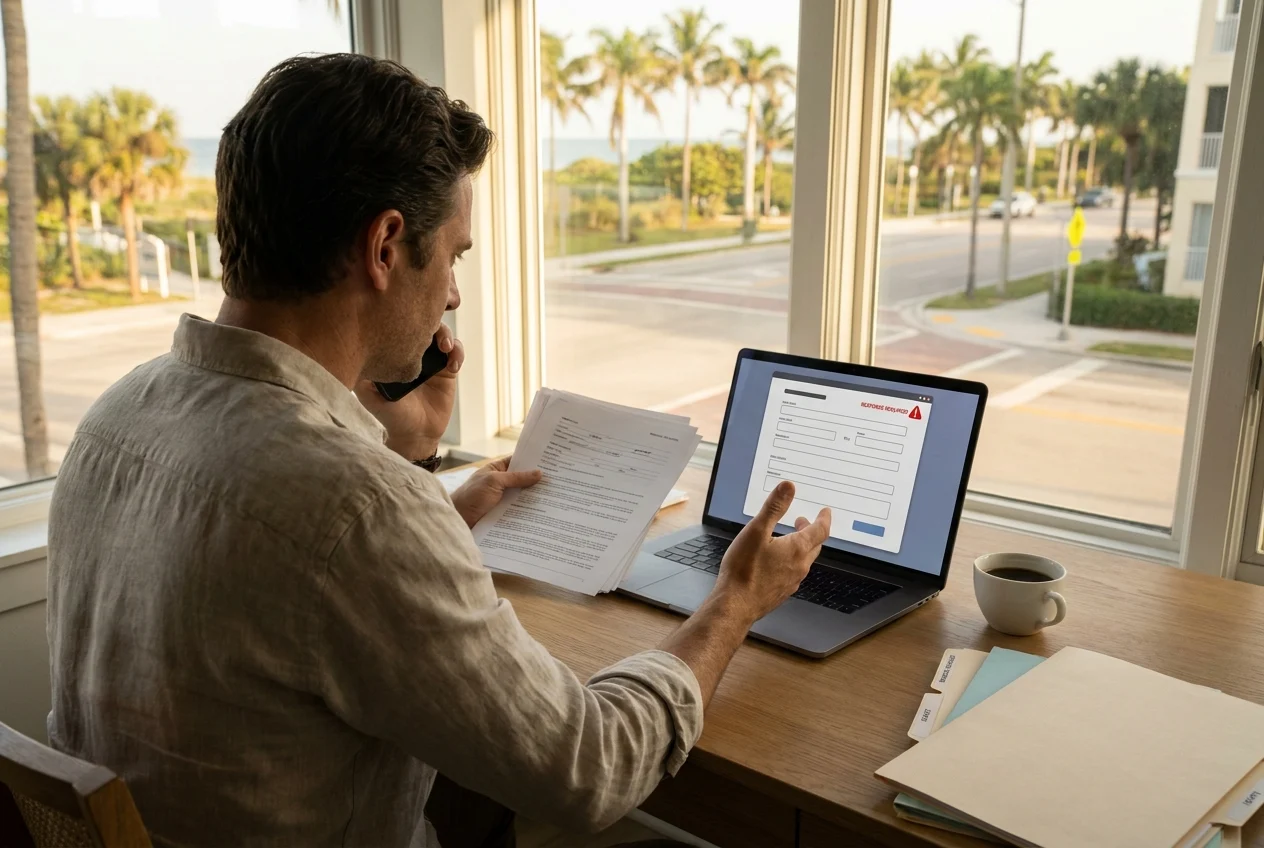
Claims can stall when calls, forms, inspections, or document requests go unanswered. Respond within reasonable timeframes, include the claim number on correspondence, and request confirmation that materials were received.
Florida Claim Handling Deadlines
Florida law establishes requirements for claim communication, investigation, and payment, but applicable deadlines depend on the coverage, notice date, and circumstances outside the insurer’s control. A deadline does not guarantee payment because an insurer may deny coverage, dispute liability, or request information reasonably necessary to evaluate the loss.
How to Request a Status Update
A written inquiry should identify the claim number, collision date, unresolved issue, submitted documents, and requested action. Ask whether more information is needed, when a decision is expected, and whether a deadline is approaching.
If delays continue, review the policy’s complaint, appraisal, mediation, or dispute procedures. Guidance may also be available from the Florida Department of Financial Services or a qualified Florida attorney.
Property Damage and Additional Expenses
Even after fault is accepted, disputes may concern repair methods, labor rates, diminished value, rental duration, towing, storage, or personal property damaged inside the vehicle.
Rental Vehicle and Loss of Use
Rental reimbursement under your policy is governed by selected limits and terms. A claim against another driver’s insurer may involve reasonable loss-of-use costs, but authorization, vehicle class, rate, and duration can be disputed.
For a repairable vehicle, rental coverage may end shortly after repairs are completed. In a total loss claim, it may end soon after a settlement offer rather than when a replacement is purchased.

Diminished Value
A repaired vehicle may be worth less because of its collision history. A diminished value claim generally requires measurable evidence and may be treated differently under the owner’s policy than against another driver.
When the Claim Does Not Settle
If negotiations fail, the dispute may proceed through appraisal, mediation, arbitration, or litigation, depending on the policy and claim. A lawsuit introduces pleadings, document exchange, depositions, experts, hearings, and possibly trial, substantially extending the timeline. Settlement discussions may continue, but no outcome or completion date is guaranteed.
Preserving Deadlines and Evidence
Negotiations do not necessarily pause the deadline for filing a lawsuit. Claims can have different limitation periods, notice requirements, and contractual deadlines, so waiting for another offer may be risky.
Preserve photographs, damaged property, repair records, medical documents, communications, and witness information. Do not discard evidence merely because repairs are complete or the insurer issued a preliminary decision.
A Practical Timeline for Port Charlotte Policyholders
During the first days, priorities usually include reporting the crash, obtaining appropriate medical care, preventing storage charges, photographing damage, and opening relevant claims. A straightforward property claim may conclude within the following weeks or months, while injury treatment and liability negotiations continue. Serious injuries, disputed coverage, multiple claimants, valuation disagreements, or litigation can extend the process much longer.
Throughout the claim, maintain an organized file, meet reasonable requests, review valuation documents, and seek written explanations for delays, reductions, or denials. Consistent documentation and timely follow-up can help protect coverage, reveal avoidable problems, and move a Port Charlotte collision claim toward a fair resolution.
Need help with What to Expect During the Insurance Claim Timeline After a Collision in Port Charlotte?