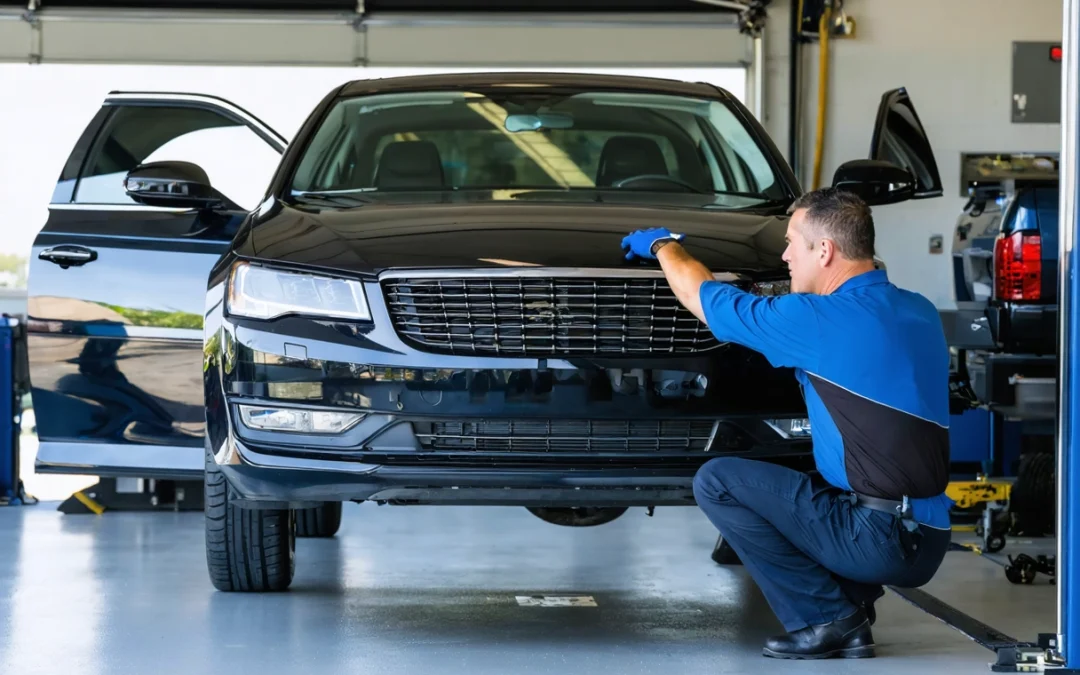
After a collision, the most obvious damage often gets the most attention. A crushed bumper, scraped paint, or dented fender may look like the full extent of the problem, but modern vehicles can sustain serious damage beneath panels and trim that appear relatively intact.
Professional post-accident diagnostics help identify hidden issues that could affect safety, handling, structural integrity, and long-term reliability. For drivers in Port Charlotte, understanding what may be concealed after an impact can make it easier to choose repairs that restore more than appearance.
What Can Be Hidden Beneath Visible Collision Damage?
Vehicle bumpers, body panels, and exterior trim are designed to cover and protect many critical components. During a collision, these outer surfaces may flex back into place while energy travels into the reinforcement bar, mounting brackets, frame or unibody structure, suspension, wiring, and safety systems.
Structural and Unibody Misalignment
Most modern passenger vehicles use unibody construction, which means the body and structural framework function as an integrated system. Collision forces can shift or deform structural areas by small amounts that may not be noticeable during a basic visual inspection.
A professional auto body shop can use precision measuring systems and manufacturer specifications to compare key structural points. This process helps technicians determine whether the vehicle requires straightening or component replacement rather than relying on appearance alone.
Damage Behind Bumpers and Exterior Panels
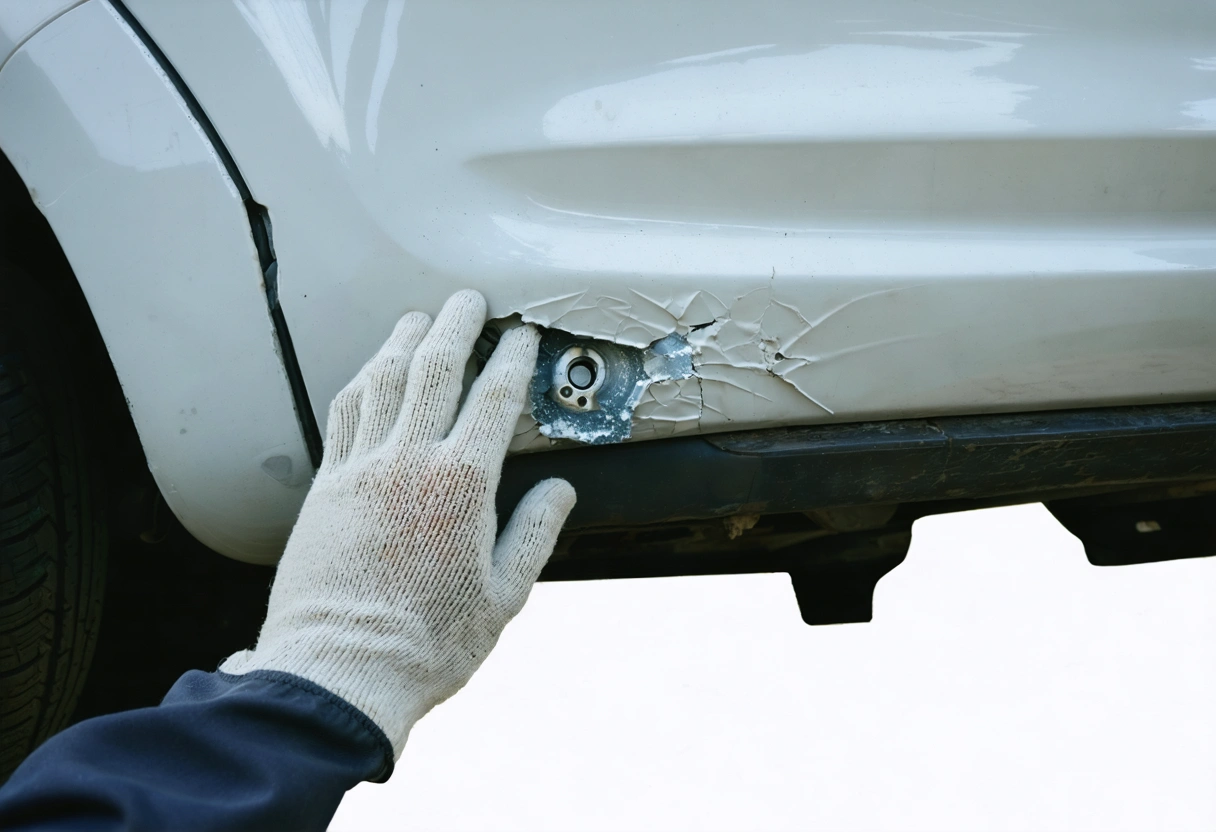
A bumper cover may show only scuffs or a shallow dent while concealing a cracked absorber, bent reinforcement beam, broken retainer, or damaged mounting bracket.
Fenders, quarter panels, and doors can hide similar concerns, including torn mounting points, pinched wiring, damaged intrusion beams, and compromised seam sealer. Careful disassembly allows technicians to inspect these areas and prepare a repair plan based on the vehicle’s actual condition.
Why Modern Vehicle Technology Requires Specialized Diagnostics
Today’s vehicles rely on interconnected electronic systems for occupant protection, braking, steering, parking assistance, and collision avoidance. Sensors and cameras may be located in bumpers, mirrors, grilles, windshields, and body panels.

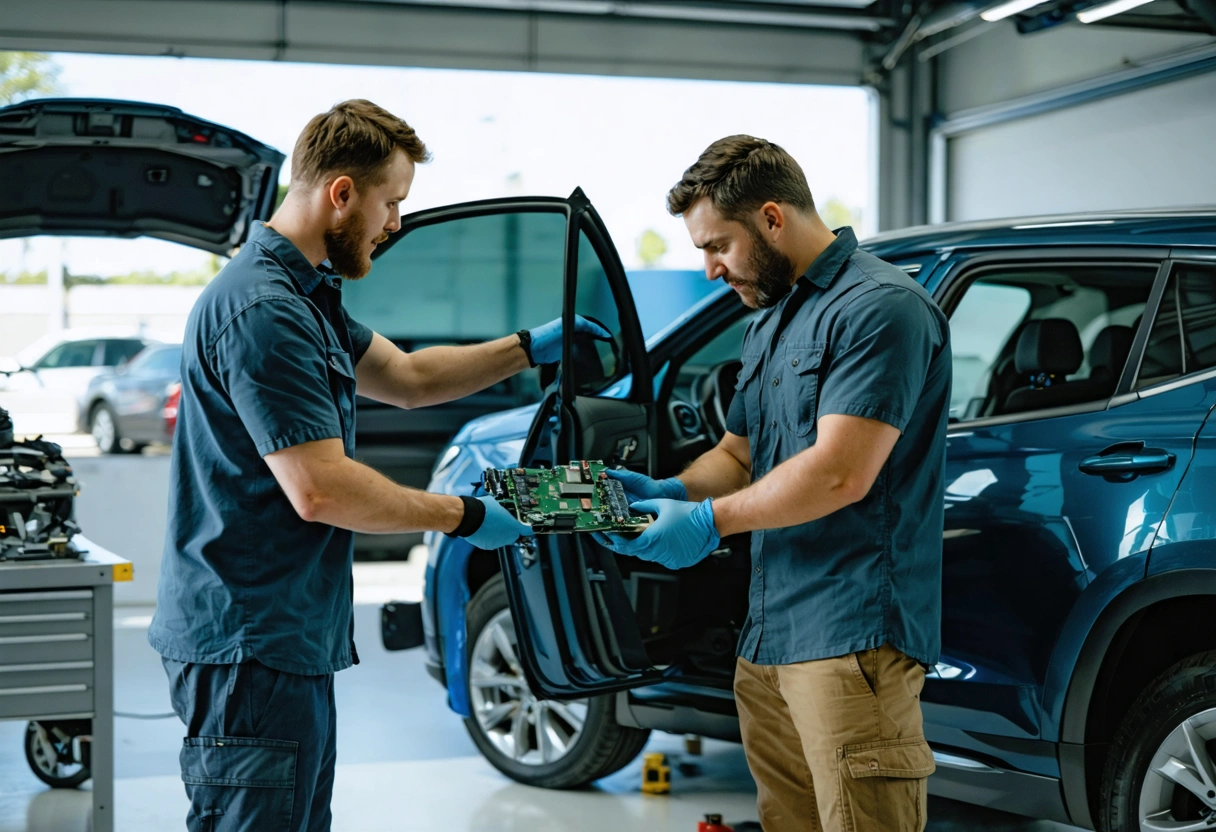
Professional diagnostics combine a physical inspection with electronic scanning and measurements. This comprehensive approach helps identify stored fault codes, communication problems, sensor issues, and structural changes that could affect system performance.
Advanced Driver Assistance Systems
Advanced driver assistance systems, often called ADAS, can include automatic emergency braking, blind spot monitoring, adaptive cruise control, lane departure warnings, and parking sensors. Many of these features depend on precisely positioned cameras, radar units, and ultrasonic sensors.
After collision repairs, affected systems may require calibration according to the vehicle manufacturer’s procedures. Replacing or repositioning a bumper, windshield, mirror, suspension part, or structural component can all create a need for calibration.
Pre-Repair and Post-Repair Scanning
A pre-repair scan checks the vehicle’s electronic control modules before repairs begin. It can reveal diagnostic trouble codes related to airbags, seat belt pretensioners, cameras, radar sensors, lighting, and other systems.
A post-repair scan verifies whether faults remain after the physical work, refinishing, reassembly, and calibrations are completed.
Mechanical Problems That May Appear After a Collision
Collision damage is not limited to the vehicle’s body. Impact forces can reach the suspension, steering, cooling system, exhaust, drivetrain, and wheels.
Suspension, Steering, and Wheel Damage
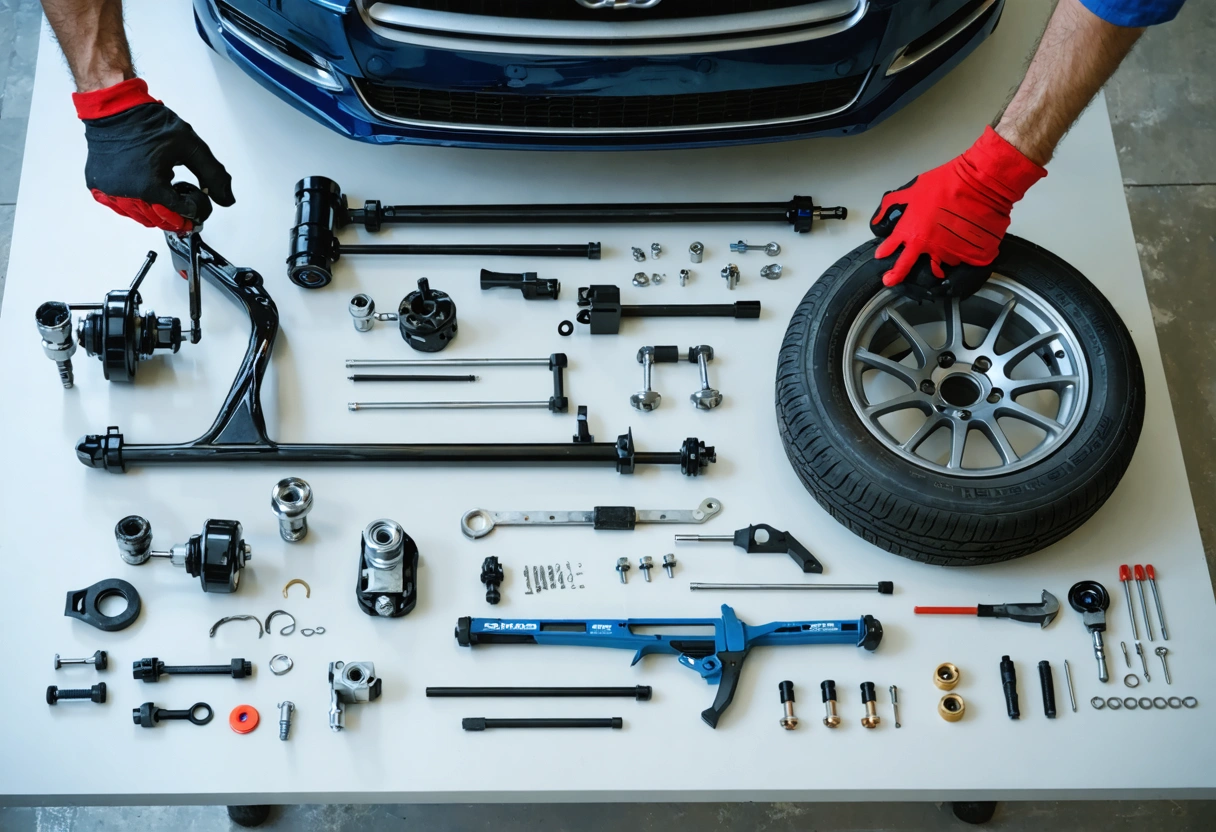
A direct impact to a wheel or corner of the vehicle can bend a control arm, strut, tie rod, steering knuckle, or mounting point. Wheels may also crack or become distorted, and tires can suffer internal damage without showing an obvious puncture.
A wheel alignment can identify certain changes in suspension geometry, but alignment readings alone do not explain why a measurement is outside specifications. Technicians must inspect the related components and mounting locations to determine whether adjustment, repair, or replacement is appropriate.
Cooling System and Fluid Leaks
Radiators, condensers, cooling fans, hoses, reservoirs, and transmission coolers are commonly located near the front of a vehicle. Even a moderate front impact can crack a connection, bend a cooling component, or move a support panel into contact with another part.
Unrepaired cooling system damage can lead to overheating and expensive engine or transmission problems.
Exhaust and Underbody Damage
Rear impacts, curb strikes, and collisions involving road debris can damage the exhaust system or underbody. Bent exhaust pipes, broken hangers, damaged heat shields, and stressed welds may produce rattling, vibration, unusual odors, or increased noise.
Electric and hybrid vehicles require additional caution because high-voltage cables and battery components may be located beneath the passenger compartment. Inspection and repair of these vehicles should follow manufacturer procedures and be handled by technicians with the appropriate training and equipment.
Restraint Systems Need Careful Evaluation
Airbags are only one part of a vehicle’s supplemental restraint system. Seat belt pretensioners, impact sensors, occupant detection components, control modules, wiring, and mounting structures work together during a collision.
A seat belt pretensioner can tighten during a crash and require replacement afterward. Wiring connectors may also be disturbed during impact or disassembly. Because restraint systems are designed to protect occupants within fractions of a second, warning lights or stored fault codes should never be dismissed without diagnosis.
Technicians must follow vehicle-specific procedures when inspecting, replacing, and verifying restraint system components.
How a Professional Hidden Damage Inspection Works
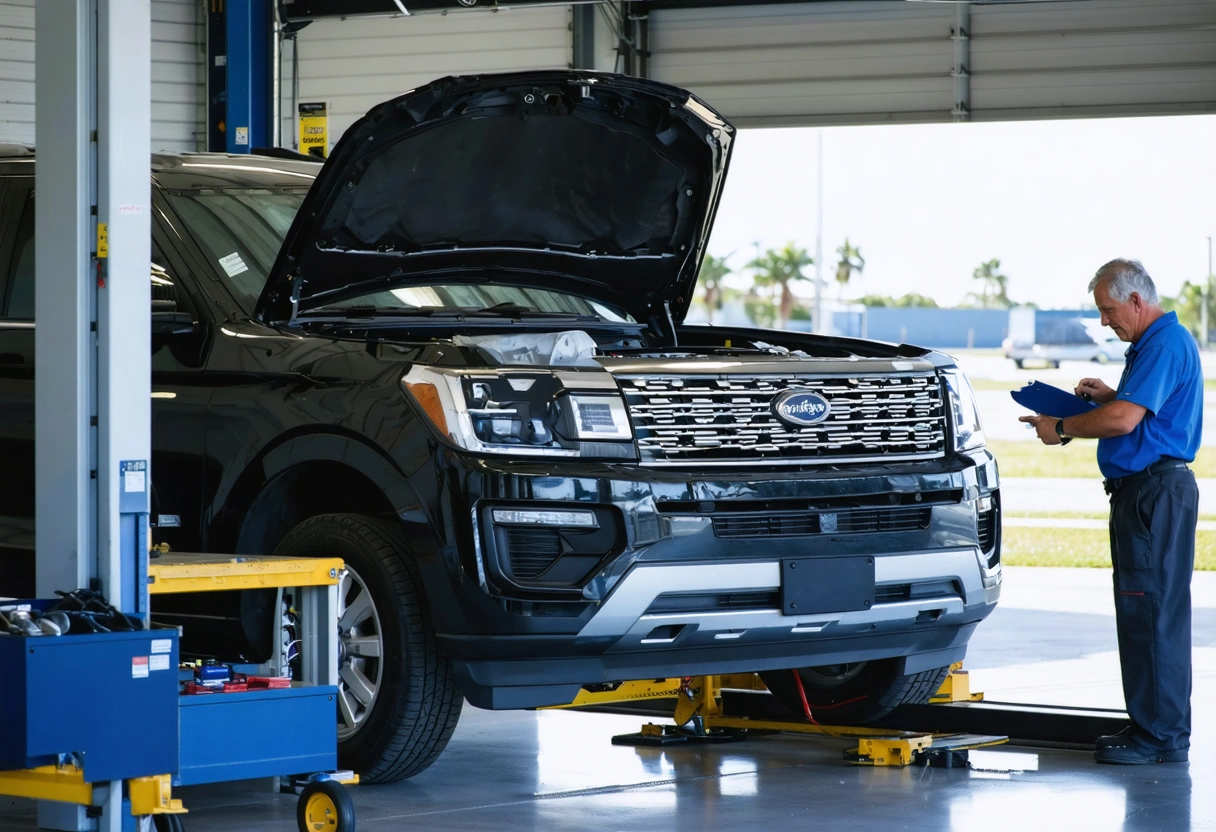
A complete collision evaluation is a systematic process rather than a quick look at the exterior. The exact steps depend on the vehicle and the type of accident, but professional diagnostics generally combine visual inspection, disassembly, measurements, electronic scans, and manufacturer repair information.
Initial Damage Assessment
The process begins with documenting visible damage and gathering information about the collision. The direction of impact, speed, point of contact, and changes noticed by the driver can provide useful clues.
However, an initial estimate may need to be updated after damaged panels are removed because not every affected part is accessible during the first inspection.
Diagnostic Disassembly
Diagnostic disassembly, sometimes called a teardown, involves carefully removing relevant trim, bumper covers, lamps, liners, and other components to expose the impact area. This allows technicians to identify broken fasteners, hidden cracks, bent supports, damaged wiring, and deformation that was covered by exterior parts.
Discovering additional damage during this stage is not unusual. In fact, controlled disassembly helps reduce surprises later by giving the repair team a more accurate understanding of required parts, labor, calibrations, and refinishing procedures before major repairs proceed.
Structural Measurement and Repair Planning
If structural damage is suspected, technicians can measure designated points and compare the results with manufacturer specifications. Measurements help identify movement that may be too small to see but significant enough to affect fit, alignment, or crash performance.
The completed repair plan should account for required replacement parts, approved repair methods, corrosion protection, seam sealers, one-time-use fasteners, electronic scans, wheel alignment, and ADAS calibration when applicable.
Warning Signs of Hidden Damage After an Accident
Some problems become noticeable only after the vehicle returns to regular use. Drivers should arrange an inspection if they observe any change in how the vehicle looks, sounds, or drives after a collision, even if the accident seemed minor.
Changes in Handling or Ride Quality
Pulling, wandering, steering wheel vibration, new noises over bumps, or a steering wheel that no longer sits centered can indicate suspension, wheel, alignment, or structural concerns.
Uneven Gaps, Water Leaks, or Wind Noise
Changes around doors, the hood, trunk, liftgate, or body panels may indicate shifted mounting points or incomplete alignment. New wind noise can result from a disturbed seal or panel position.
Warning Lights and Intermittent Electronics
An airbag, stability control, anti-lock brake, parking sensor, or check engine warning may be related to collision damage. Intermittent camera operation, false proximity alerts, malfunction messages, or lights that flicker can also indicate wiring, connector, sensor, or calibration problems.
Drivers should not assume a warning will resolve itself.
Unusual Sounds, Smells, or Fluid Spots
Rattling, scraping, humming, or clunking may come from a loose shield, damaged mounting bracket, wheel bearing, suspension component, or exhaust part. A sweet smell can indicate coolant, while burning odors may signal fluid contacting a hot surface or an electrical issue.
Why a Cosmetic Repair May Not Be Enough
A repair can look acceptable from several feet away while still leaving important problems unresolved.
For example, repairing a bumper cover without inspecting the reinforcement and absorber may conceal compromised impact components. Straightening a panel without restoring damaged corrosion protection may allow rust to develop.
A professional repair should address the cause and full extent of the damage rather than simply hiding visible evidence of the accident.
Insurance Estimates and Supplemental Damage
An insurance estimate is often based on an initial visual inspection, so it may not include damage hidden behind panels or trim. When additional damage is discovered during disassembly, the repair shop can document it and submit a supplement to the insurer for review.
It provides updated information about necessary parts, labor, scans, measurements, and manufacturer-required procedures that could not be confirmed during the initial estimate.
Do Not Choose Repairs Based Only on the Lowest Estimate
Two estimates may differ because they include different procedures, parts, materials, or diagnostic steps.
What to Do After an Accident
After addressing immediate safety concerns and reporting the accident as required, avoid driving the vehicle if it has fluid leaks, tire damage, steering problems, warning lights, loose body parts, or unusual noises.
Arrange for a professional collision inspection even when exterior damage appears minor. Share details about the impact and any changes you have noticed. Keep repair estimates, scan reports, alignment results, calibration records, and invoices for your records.
Trust Professional Diagnostics for a Complete Repair
Hidden collision damage can affect far more than a vehicle’s appearance. Structural movement, damaged safety components, disturbed sensors, mechanical problems, and compromised corrosion protection may require specialized equipment and trained evaluation to identify.
American Auto Body in Port Charlotte approaches collision repair with attention to both visible and concealed damage. A comprehensive inspection and repair plan can help restore proper fit, function, safety, and confidence before your vehicle returns to the road.
Need help with Hidden Collision Damage: Why Professional Diagnostics Matter After an Accident?
